



The Insider14 Sep 20266 MIN

Bandana Tewari’s Bali trades beach clubs for warungs and textile trails

The curator of Art & Bali’s flagship exhibition, ‘What the Body Remembers’, takes us inside the show and shares her guide to experiencing the island like a local

Image

Artwork by The Nod

“When I moved to Bali 10 years ago, I didn’t carry my Chanel or Dior bags, but I did carry my grandmother’s and mother’s saris,” shares Bandana Tewari, the journalist and sustainability advocate who has made Bali her home since over a decade. Tewari tunes into our Zoom call from sunny Nuanu, a mini city on the island dedicated to the creative arts, as she prepares for Art & Bali’s flagship exhibition, What the Body Remembers, with assistant curator Brina Paska.

The show brings together 26 artists, designers, and creative practices from Indonesia and India, using the body as a point of departure to explore memory, identity, cultural knowledge, and acts of making. In the exhibition, her cherished heirlooms will be displayed alongside custom creations by Indian brands, including Raw Mango, Gaurav Gupta, and Re-Ceremonial, as well as Indonesian labels like Toton and Tagan Privé. “What the Body Remembers is a tribute to my mother. For what does the body remember if not touch? The weight of silk against the skin. The rustle of a sari as someone walks away. Over her lifetime, she gathered them slowly: the luminous gold of muga silk, the sacred geometry of patola, the grandeur of Kanjivaram,” she says.
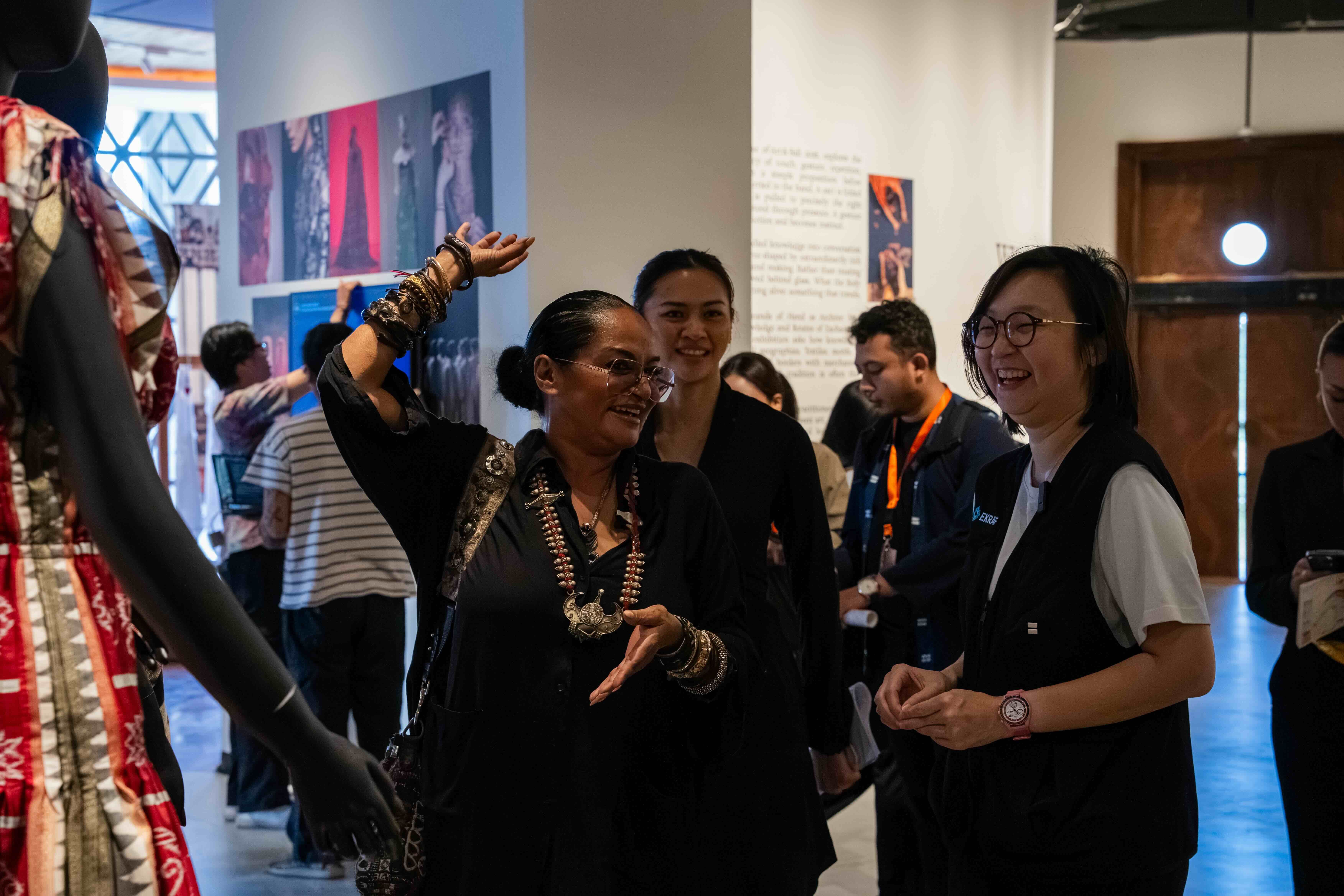
Bandana Tewari at the opening of 'What The Body Remembers' at Art & Bali
Tewari at the opening of the exhibition at Art & Bali

Alluding to the exhibition, which explores the crossover of craft between India and Indonesia, Tewari points to the remarkable parallels between the textile traditions of the two countries, particularly ikat. In Odisha, she notes, the annual Bali Jatra commemorates the historic journeys of ships carrying spices, textiles, ideas, and philosophies towards Indonesia and beyond. Even more strikingly, double ikat survives in only three places in the world: Bali, Patan in Gujarat, and Japan. “These are the threads of life,” she says. “They’re like little rivers that crisscross across regions and different people and ideologies. But ultimately, they bind us together.”

Tewari’s curatorial approach is consequently less about presenting craft as an aesthetic category and more about examining the ecosystems that sustain it. She makes a distinction between “extraction” and “immersion”—taking a beautiful weave out of its context versus working with the communities that have carried that knowledge forward. “You don’t treat them as manufacturing units, because a craft wouldn’t exist if that village didn’t exist,” she says. For her, understanding craft means understanding the village economy, the community, and the ecology around it—a relationship she sees as deeply Gandhian.

“I don’t want the chin-scratching critic to be the only audience,” she quips when I ask her what she hopes visitors will take away from the exhibition. “Sustainability has become a bogus word. Instead of talking about how fast fashion is horrible, I’d like to flip the narrative so I can show you the happier side of what buying good things means. If I can have kids walk into an exhibition and have a sense of awe and wonder, for me that’s an achievement.”

Below, Tewari’s guide to experiencing Bali like a local:

A local eatery you’d happily return to
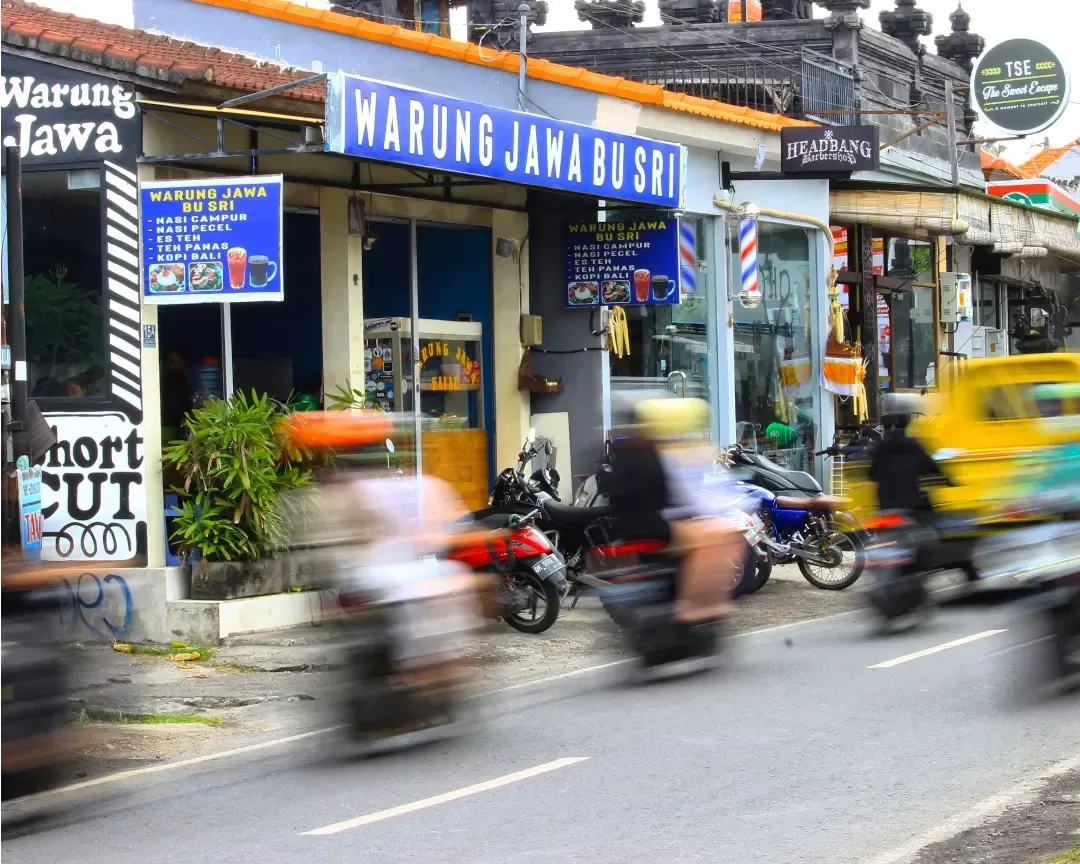
Warung Jawa Bu Sri in Bali

“Forget Canggu’s smoothie bowls. On a dusty corner of Padang Linjong, Bu Sri and her husband serve Java on a plate. At Warung Jawa Bu Sri, Batu Mejan, there are no menu theatrics, just a glass cabinet of 15 home-cooked dishes: jackfruit gulai, smoky mangut lele, crisp tempeh, and ayam curry that tastes like grandmother’s kitchen, among others. In the same warung (local dhaba), you can buy sustainable Indosole flip-flops made from recycled tyres.”

Address: Jl Canggu Padang Linjong No 15a, Canggu, Kec Kuta Utara, Kabupaten Badung, Bali. Open Monday to Saturday, 10 am to 5 pm

A Balinese dish more people should know about

“Everyone comes for babi guling (roast suckling pig), but lawar is the real Bali dish. It’s not one dish—it’s a method. Finely chopped jackfruit or banana stem, green beans and grated coconut come on a rich base of genep spices (shallot, garlic, galangal, turmeric, chilli, shrimp paste) tossed with minced meat. It’s the backbone of every sacred ceremony. No lawar, no holy offering.”
The Bali reset

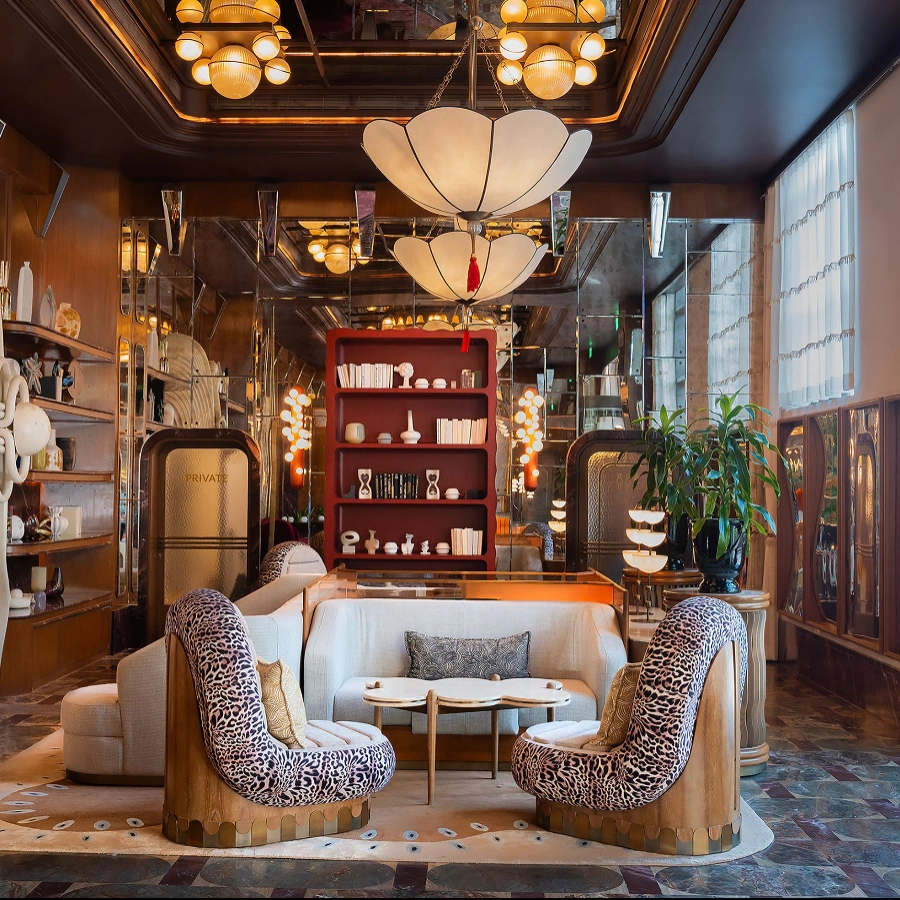
“Desa Potato Head is where you go for a true Bali reset. First, the body: Opt for the classic Urut Segar at Desa Spa, deep, rhythmic Indonesian healing that involves long palm strokes, thumb pressure along energy lines, and warm oil restoring circulation to travel-tight legs and shoulders. No chanting, just muscle. Then, the nervous system: As part of ‘Light Sound Vibration’ at Sanctuary, you lie on a waterbed that hums through your bones as pulsing light blooms behind closed eyes and gongs wash over.”

Address: Jalan Petitenget No 51B, Seminyak, Kuta Utara Kabupaten Badung, Bali 

A craft experience that is actually worth seeking out

“Head to Tenganan Pegringsingan for the double ikat called Geringsing. It’s one of only three places on earth that make double ikat—both warp and weft tied and dyed before weaving. A single cloth can take up to two years. Meet weavers in their homes and see the sacred dye pits. This is not a tourist demo; it’s a 1,000-year-old Bali Aga village ritual.”

The best place to see Bali through its textiles

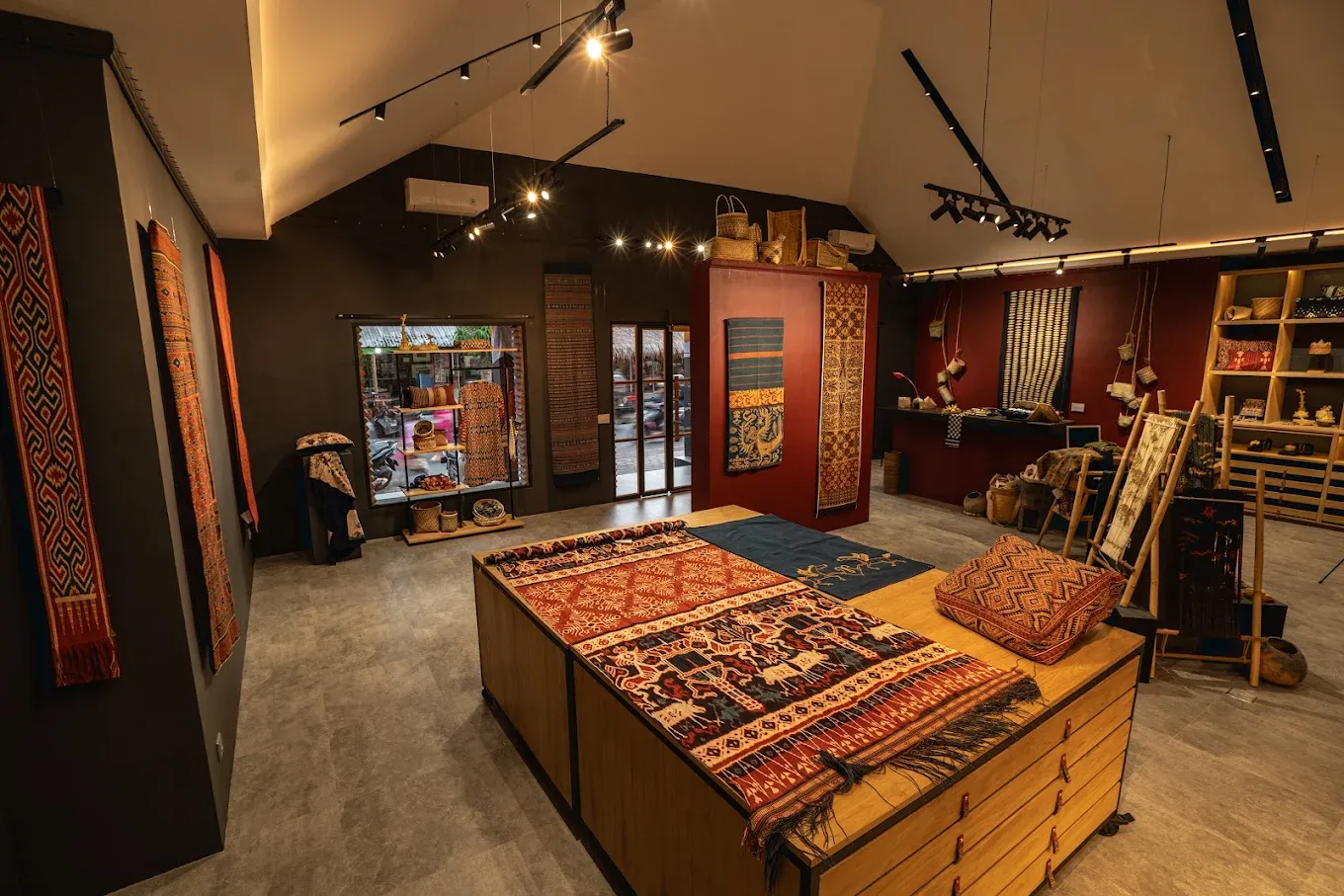
Threads of Life gallery, Bali

“Threads of Life in Ubud is not a shop, it’s an archive. The fair-trade social enterprise established in 1998 now works with 1,200-plus women weavers in 50 communities across 12 islands.”

Address: Jalan Raya Lungsiakan, Ubud, Bali. Open daily, 10 am to 6 pm

A Balinese craft tradition that deserves more attention

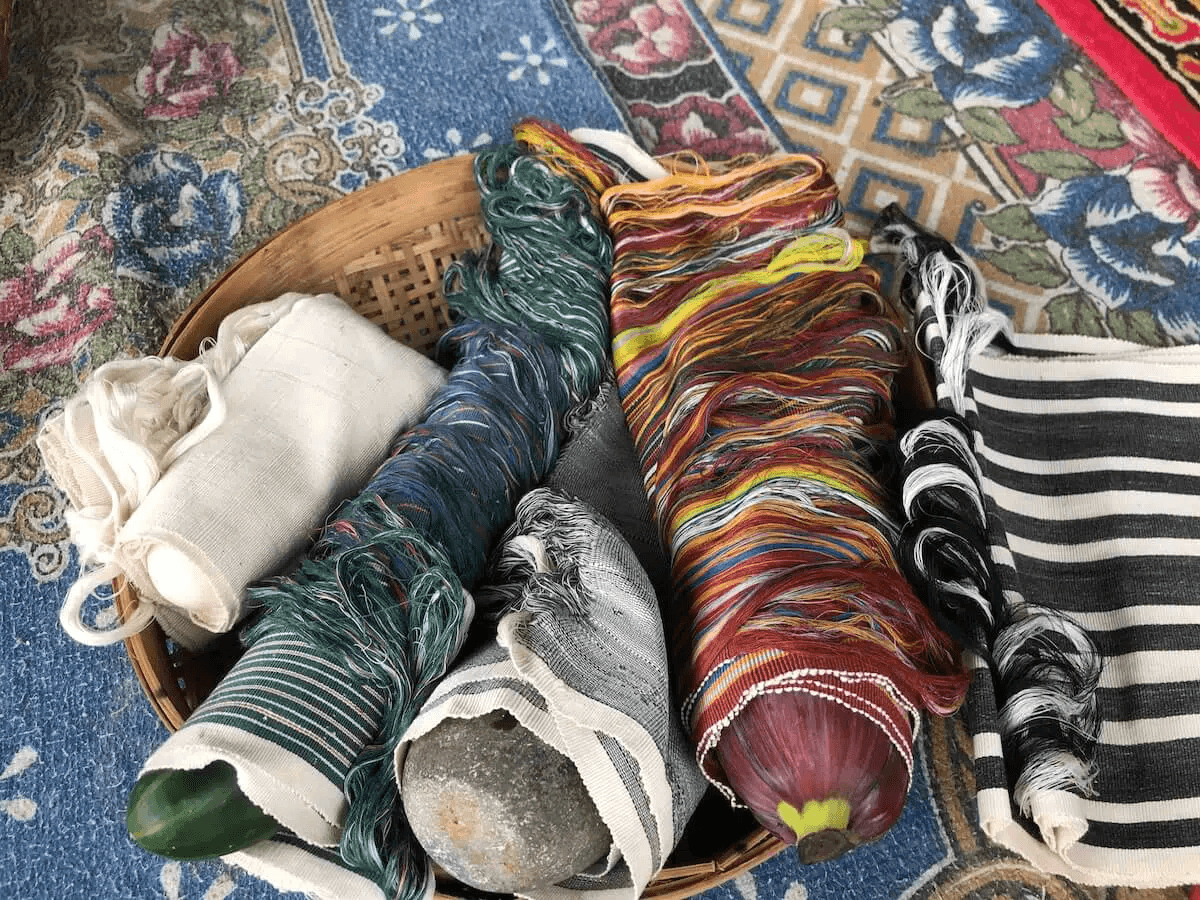
Offerings wrapped in bebali cloth
Image courtesy: Threads of Life

“Bebali are the white, yellow, and red cloths the Balinese use to wrap offerings, babies at three-month ceremonies, and temples at Melasti. They are supposed to protect. Real ones are handwoven, mordanted, and dyed with plants over weeks—indigo from Tarum, red from mengkudu (morinda root), brown from ceriops bark, black from mud.”

A maker whose work you’d like to bring home

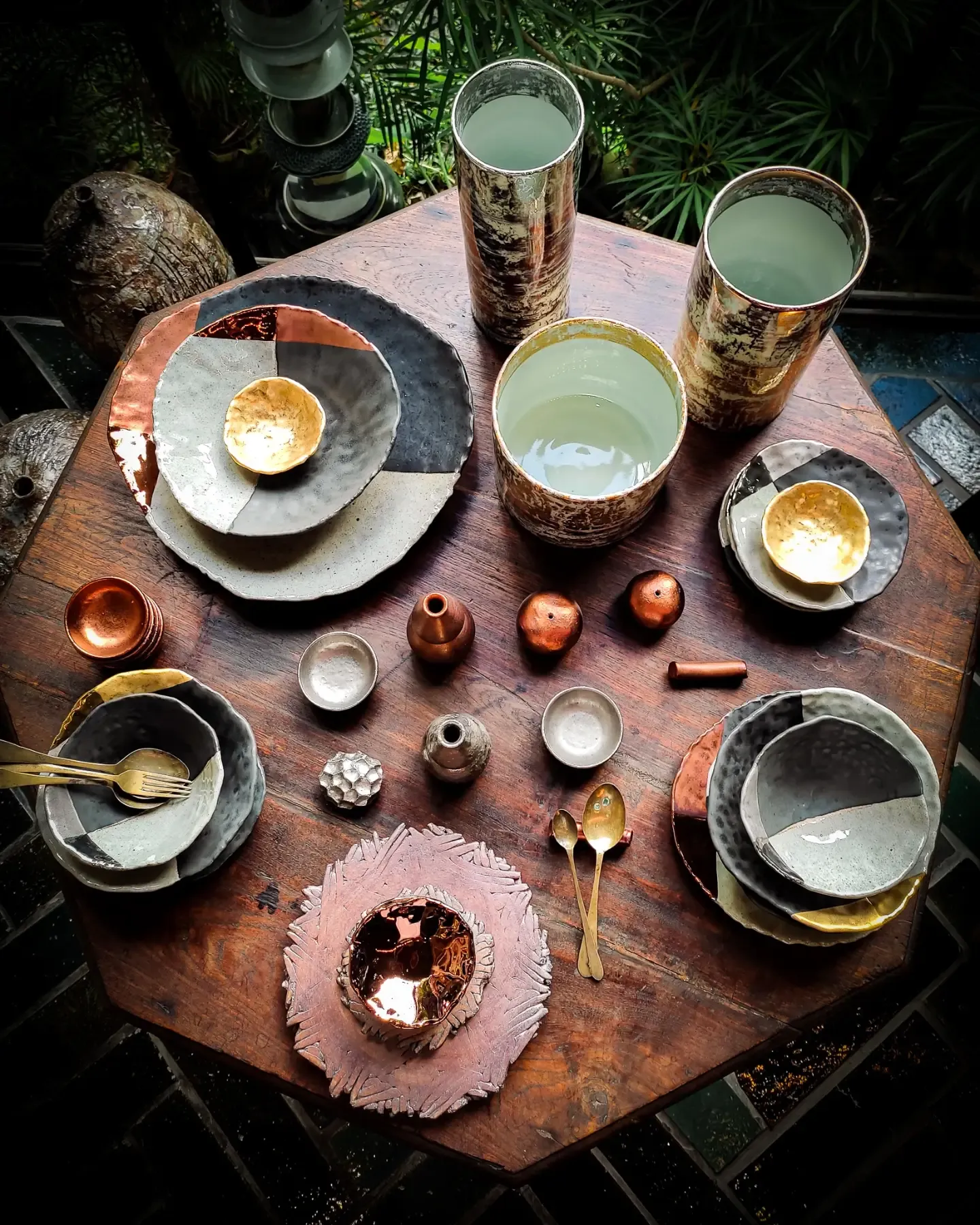
Gaya Ceramic Bali_The Nod.webp

“In Ubud, Gaya Ceramic houses a hundred artisans from Pejaten who craft the most stunning homeware, the perfect souvenirs that actually age with you.”

Address: Jalan Raya Sayan 105, Ubud, Bali. Open Monday to Sunday, 9 am to 6 pm

A shop where you won’t find the usual Bali souvenirs

“Inside Bambu Indah in Ubud, in a floating lotus pavilion built by Ibuku from bamboo, glass and copper, Tangan houses a tight edit of objects with provenance: natural-dyed Sidemen textiles folded like letters, Pejaten ceramics glazed with ash, hand-pressed jamu oils, baskets woven from lontar that smell like the sun. Everything here is chosen by John and Cynthia Hardy—jewellery designers who co-founded Green School—who collected these objects over 40 years of living here. Each piece has a maker, not a factory.”

Address: Jl Baung, Sayan, Kecamatan Ubud, Kabupaten Gianyar, Bali 

A temple worth waking up early for

“Pura Besakih isn’t one temple. It’s 23 temples climbing the black spine of the mount Agung like a prayer. Six terraces, 1,000 years of eruptions, rebuilds and faith. Sarongs are required. Silence, even more so.”

Address: Besakih, Rendang, Karangasem Regency, Bali

A Balinese ritual worth experiencing

A Canang Sari workshop in Bali

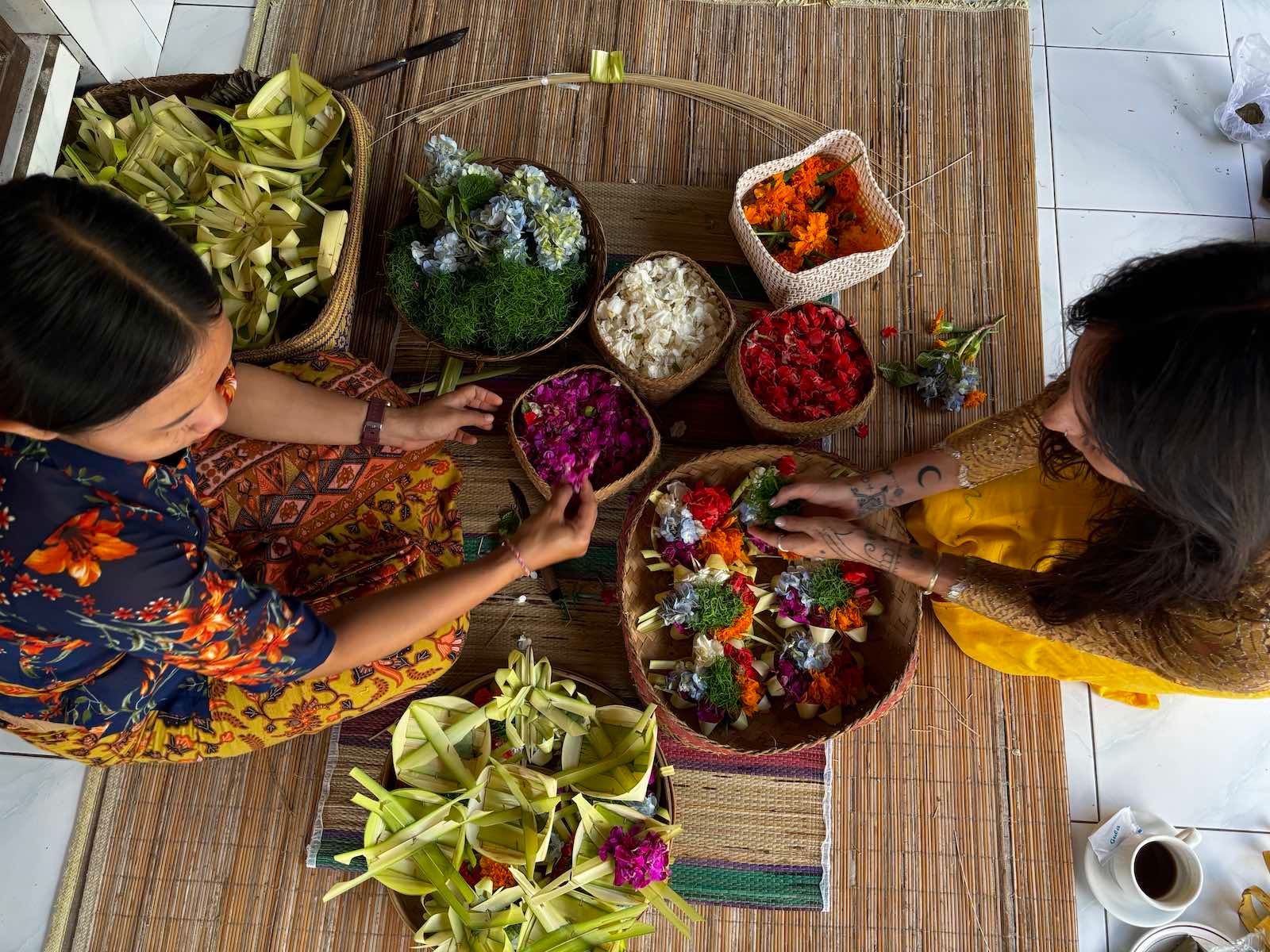
“You will step over it every morning. A square of palm leaf, pinch of rice, petals—white, red, yellow, and green for Shiva, Brahma, Mahadeva, and Vishnu, respectively—with a cigarette, a cracker, a coin, and incense. Three times a day, women place them at doorways, shrines, scooters, and cash registers. That’s canang sari. Sit and watch one made. That is the whole of Bali in a palm.”

A place where creatives convene

“Rüsters is not located in central Ubud but just out in Kengetan, where rice paddies still win. It’s not a co-working space but a culinary and creative space that digital nomads hijacked because the Wi-Fi is fast, the coffee is roasted on-site, and you can stare at green between Zoom calls. Inside, there’s a bakery, a zero-waste restaurant, sourdough, poached eggs that actually wobble, a sunset bar, a pottery studio, a clothing and furniture store, and jazz at night. They also host a kids’ clay class on Sundays during the farmers’ market.”

Address: Jl Raya Kengetan No 44, Ubud

What The Body Remembers is on view at Nuanu from September 11 to November 28, 2026

The Nod Newsletter

We're making your inbox interesting. Enter your email to get our best reads and exclusive insights from our editors delivered directly to you.