



Food19 Feb 20265 MIN

Slow Tide’s bar-within-a-bar is all about going back to the basics

Anjuna’s Bar Stoned Pig is a cosy ode to the hippie era, brought to life by some of Goa’s chicest residents, including model Lakshmi Menon and designer Savio Jon

Image

I first heard about The Stoned Pig the way most people do—through stories polished smooth by repetition, like sea glass. In the 1970s, when Anjuna beach became an unlikely capital for hippies and seekers from every corner of the globe, Ray Selby started publishing a broadsheet timed to the moon phases. He called it The Stoned Pig. Not quite a newspaper, not quite a zine, but a living document of an experiment in progress.

The few copies that exist today are so fragile they get passed around like religious relics. The pages are filled with tide charts, party listings, poetry along with some practical information about the North Goa neighbourhood, philosophical musings, and instructions on how to fix a motorcycle. It was made for the community, by the community, a user manual of sorts for a life lived outside the margins. And while that experiment was short-lived, its ghost never quite departed.

When I walked into Slow Tide’s new bar-within-a-bar, Bar Stoned Pig (named after the broadsheet), I understood immediately that this bar is a mild act of resurrection for a community fading into the horizon.

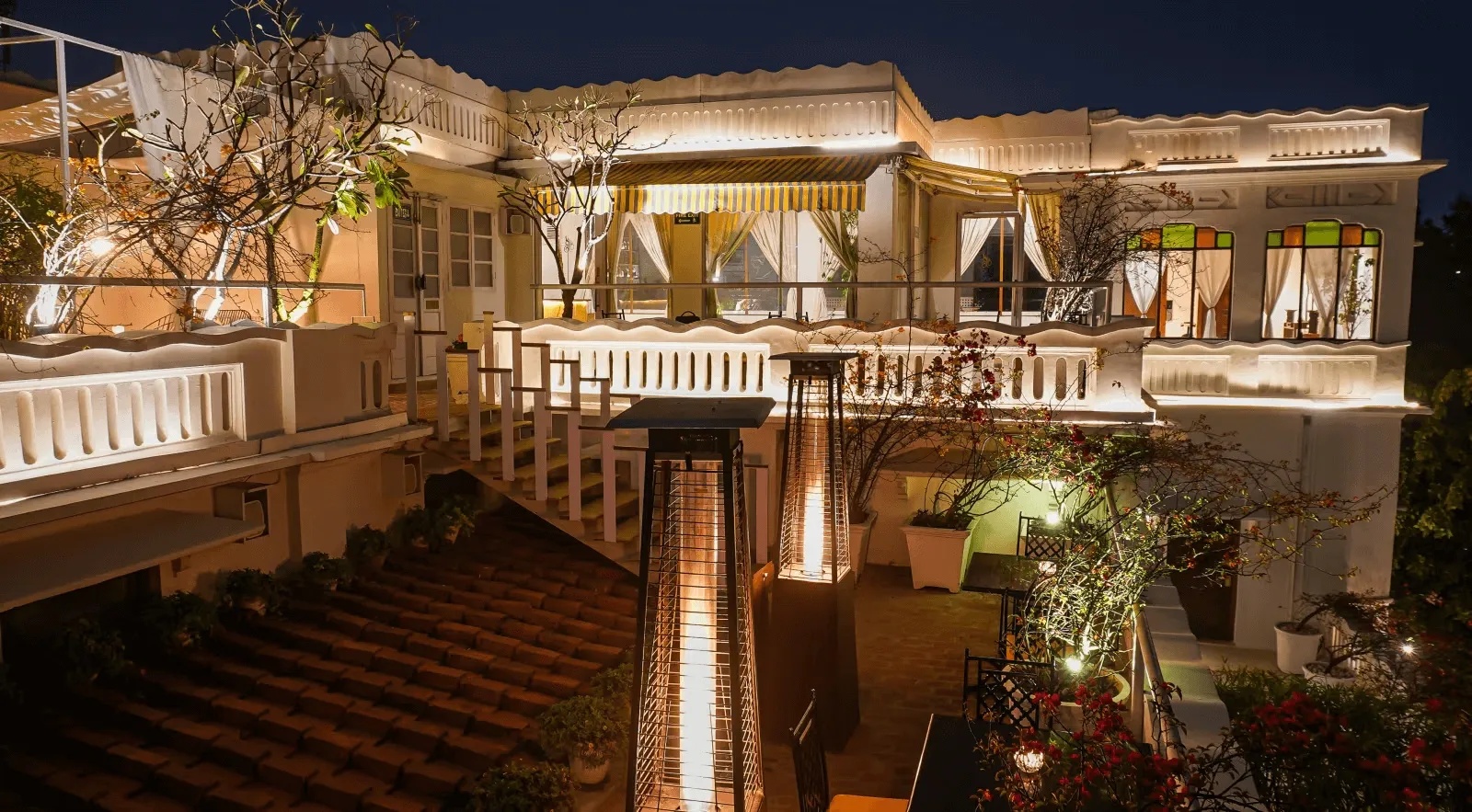
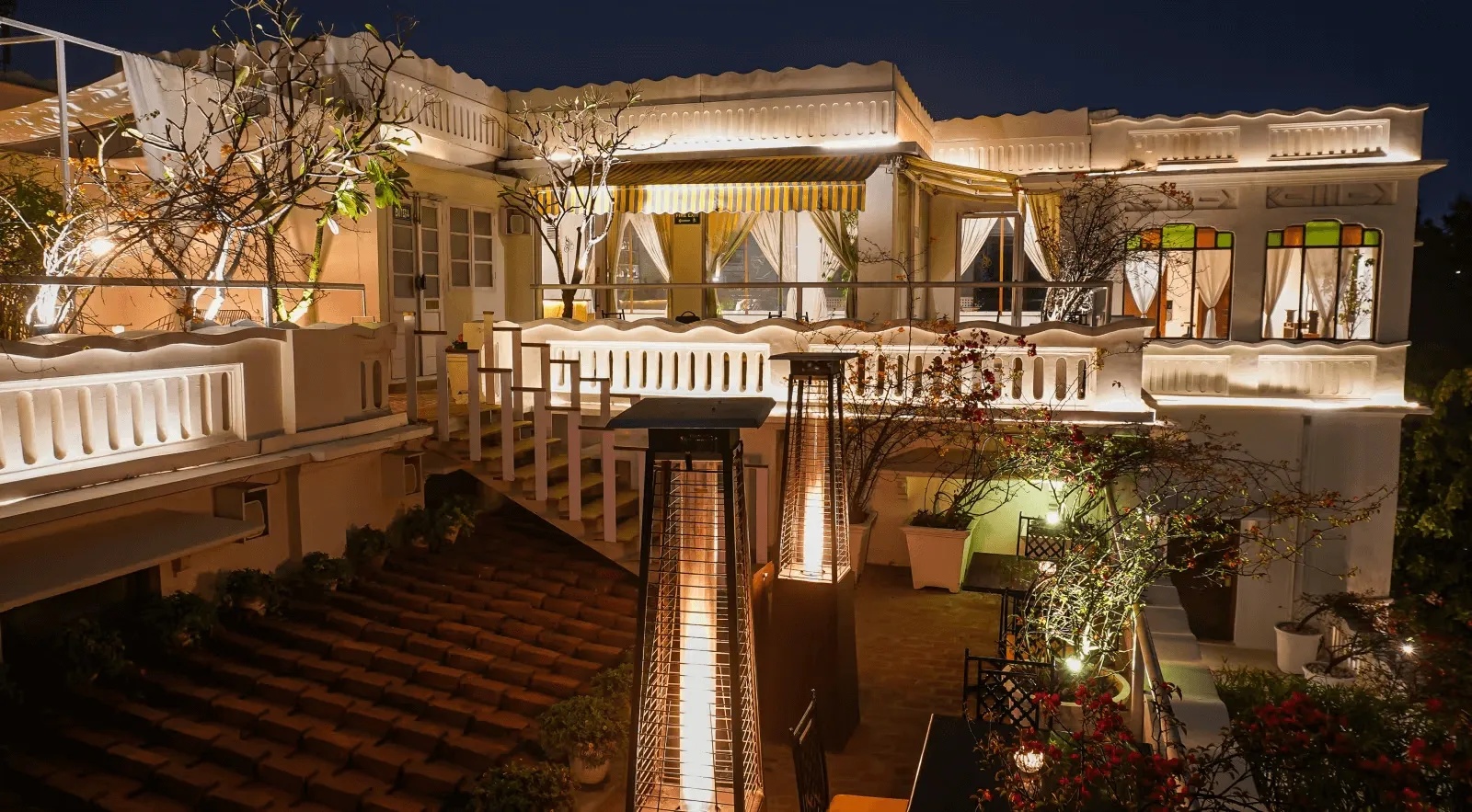
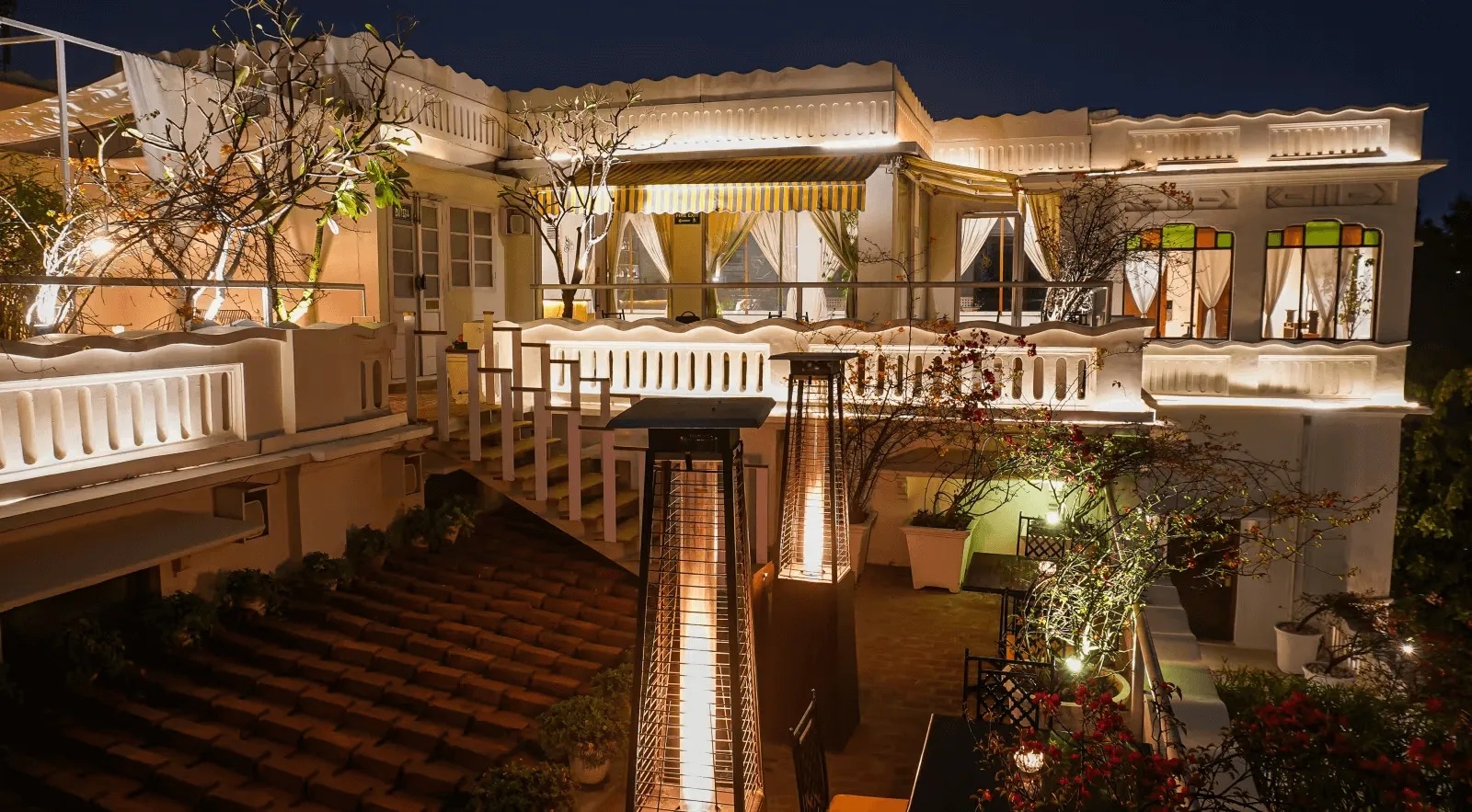
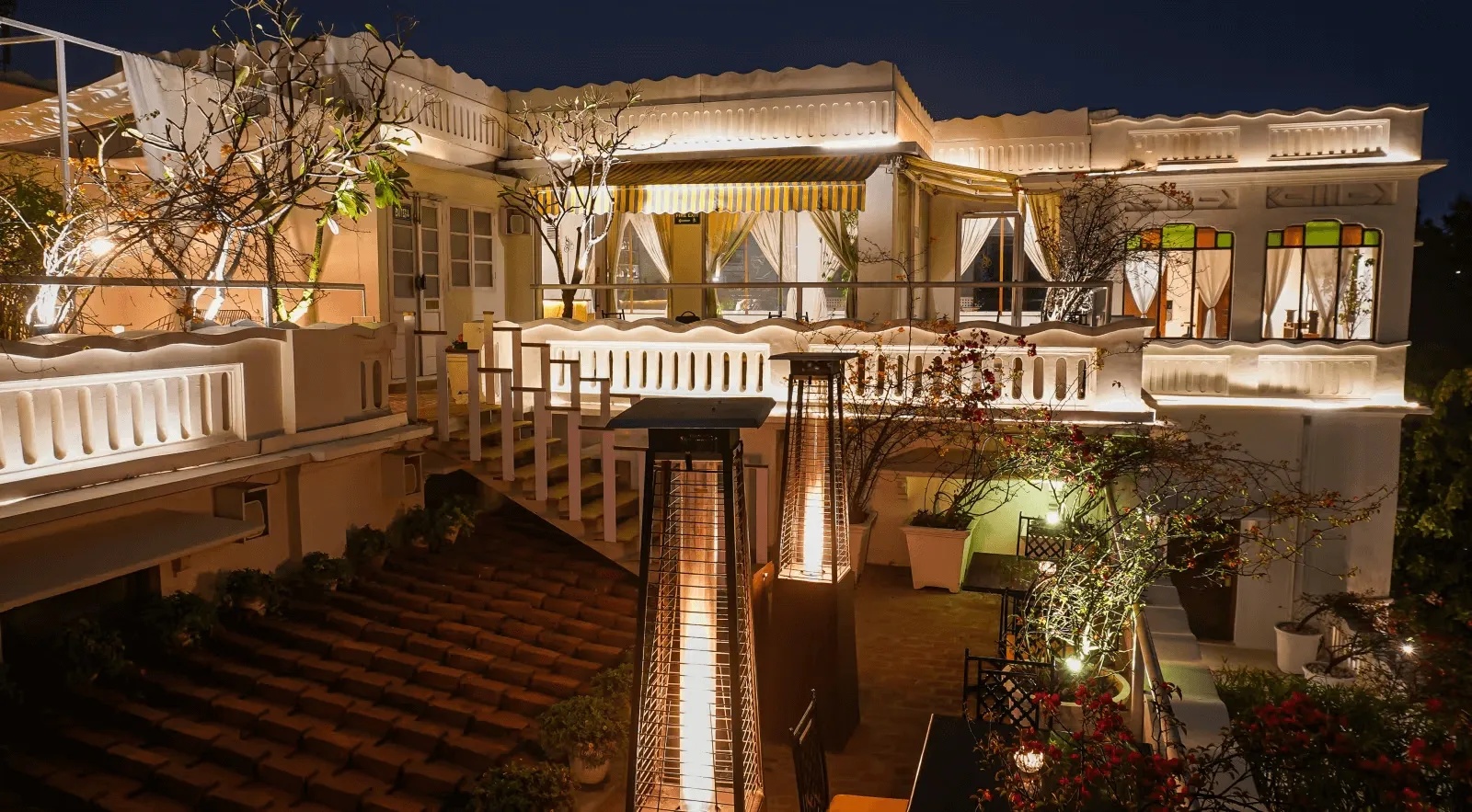
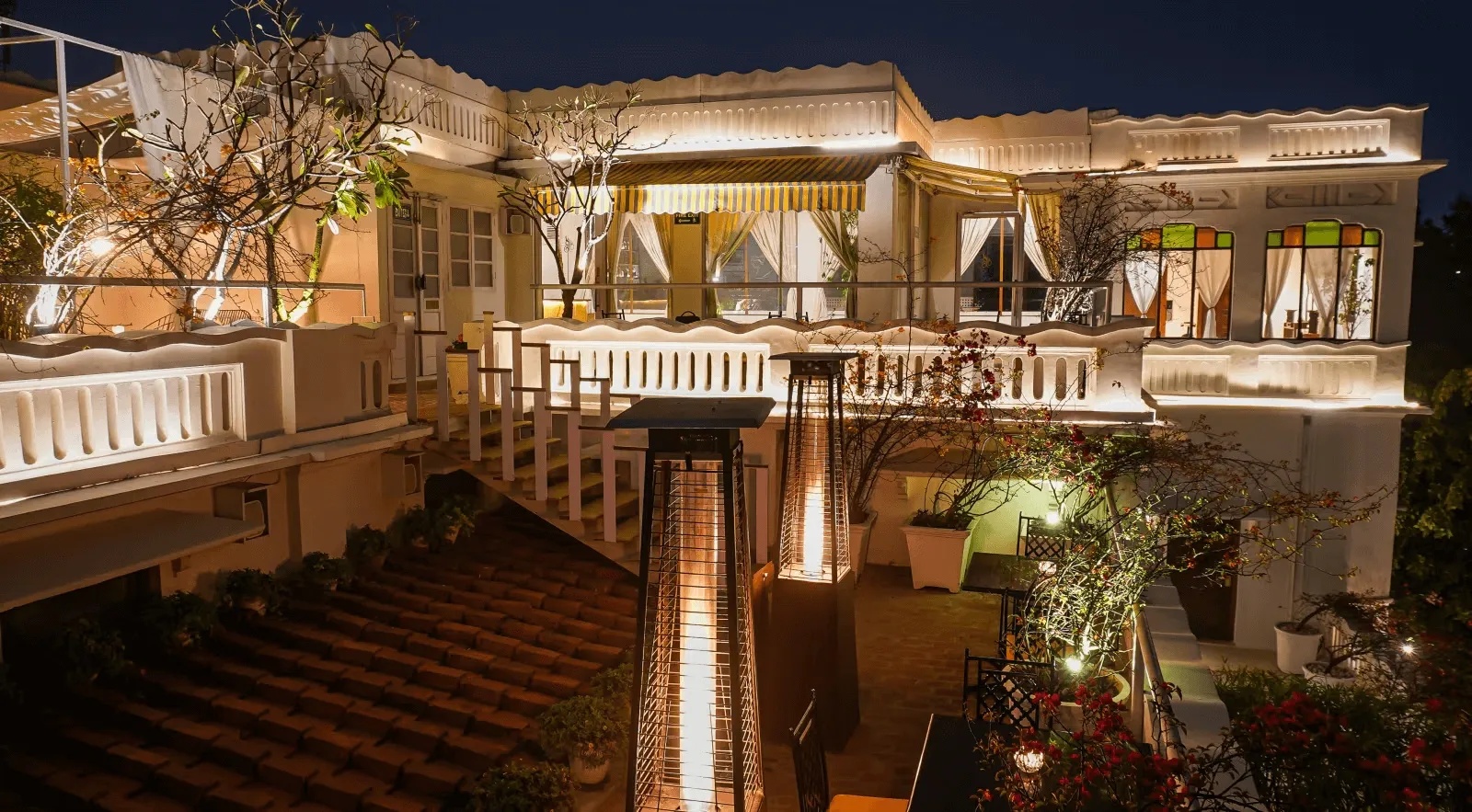
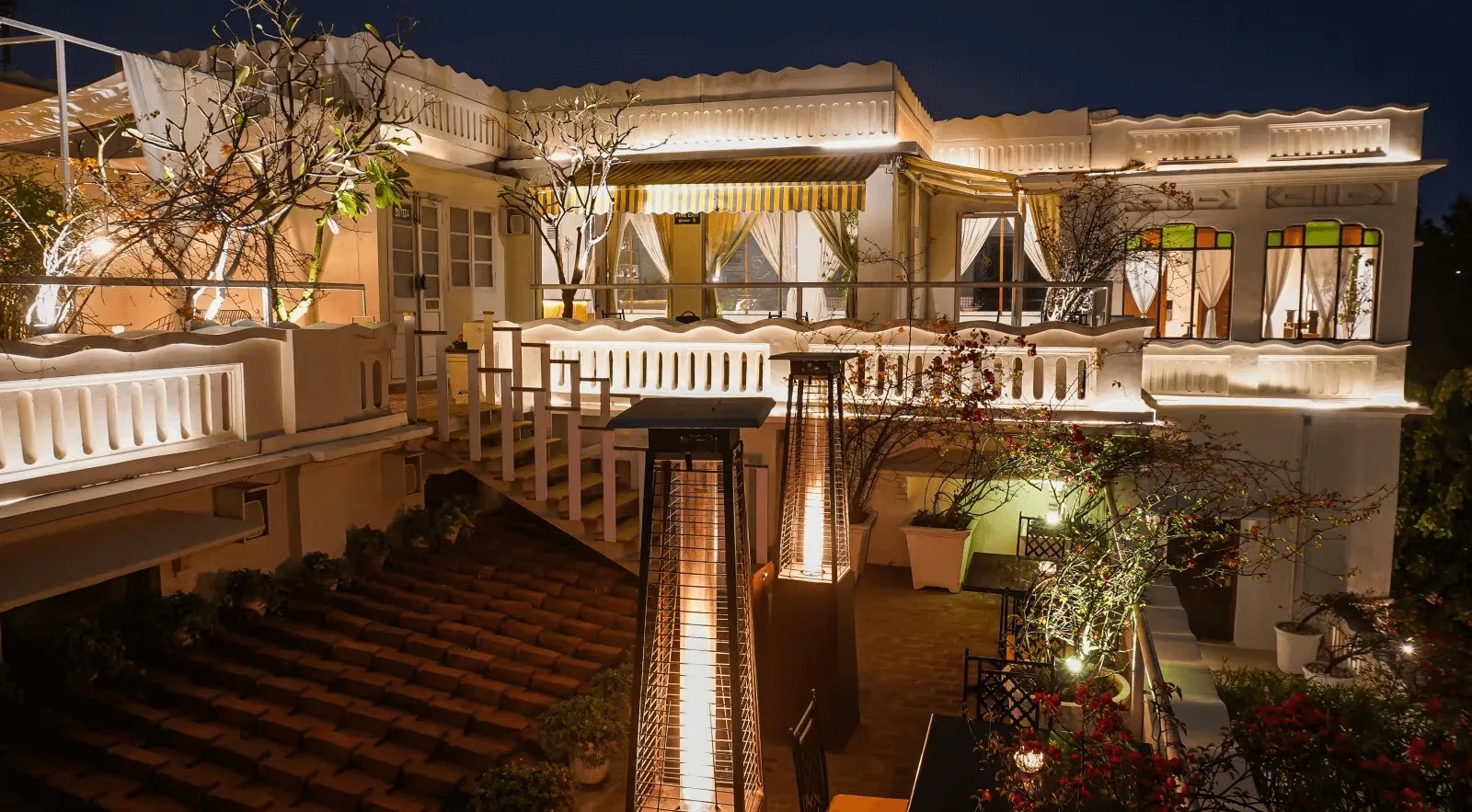
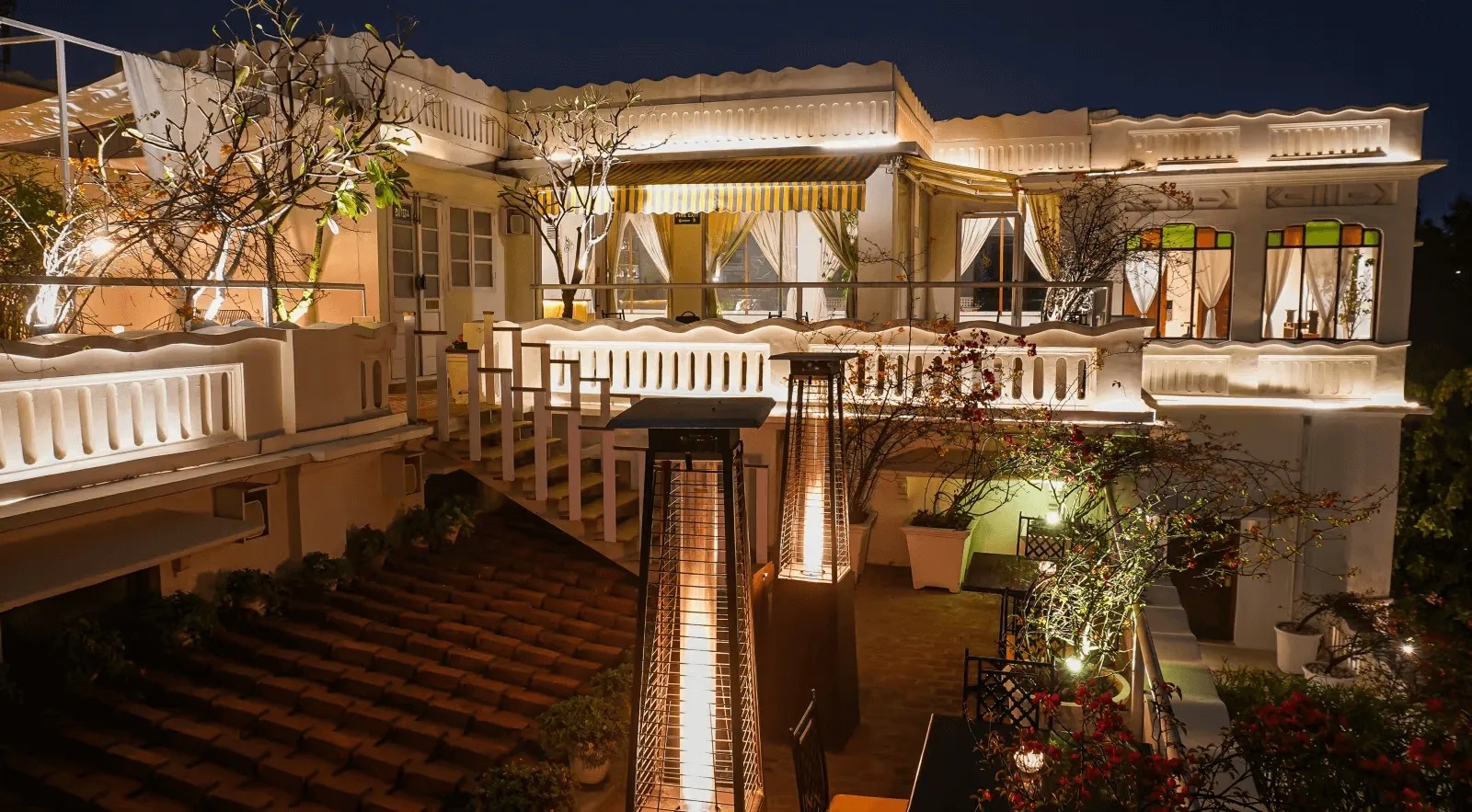
This speakeasy of sorts sits inside Neil D’Souza’s beachfront restaurant and bar in Anjuna. Born and raised in ’70s Anjuna, D’Souza encountered the counterculture first-hand, and even though it now feels like a distant dream, it has left its imprint on the now-touristy beach.

Post-Covid, when he returned to his home state and began wondering what aspects of its radical past still held relevance, he knew where to start. “If you were living in Anjuna in the midst of the old colony, you were aware of The Stoned Pig,” he tells me. “Reviving it was always on my mind. I was just waiting for the right moment. It fits well within a sophisticated bar while serving as a continuation of the Slow Tide counterculture story.”
The community that built Anjuna’s legendary party reputation never fully dispersed. Many still live here. Others, scattered across the globe, return every year to what was home. And their children, born in Anjuna of the ’70s, carry this inheritance forward, some staying, others making the same annual pilgrimage. “For them,” D’Souza says, “Bar Stoned Pig will keep the story alive.”

But D’Souza is careful about how that story gets told. “Anjuna has always had a sophistication of a different kind,” he explains. “Musicians and free-spirited travellers from across Europe and America flocked here in the 1960s and 1970s, making it an essential stop along the global counterculture trail. People came looking for new philosophies, creative connections, and alternative ways of living. Our Art Deco interiors are a modern take on that spirit, which was bold, cosmopolitan, and just a little rebellious. There has always been so much more to Anjuna than trance parties and beach shacks, and this concept is our attempt to remember and honour that complex history.”

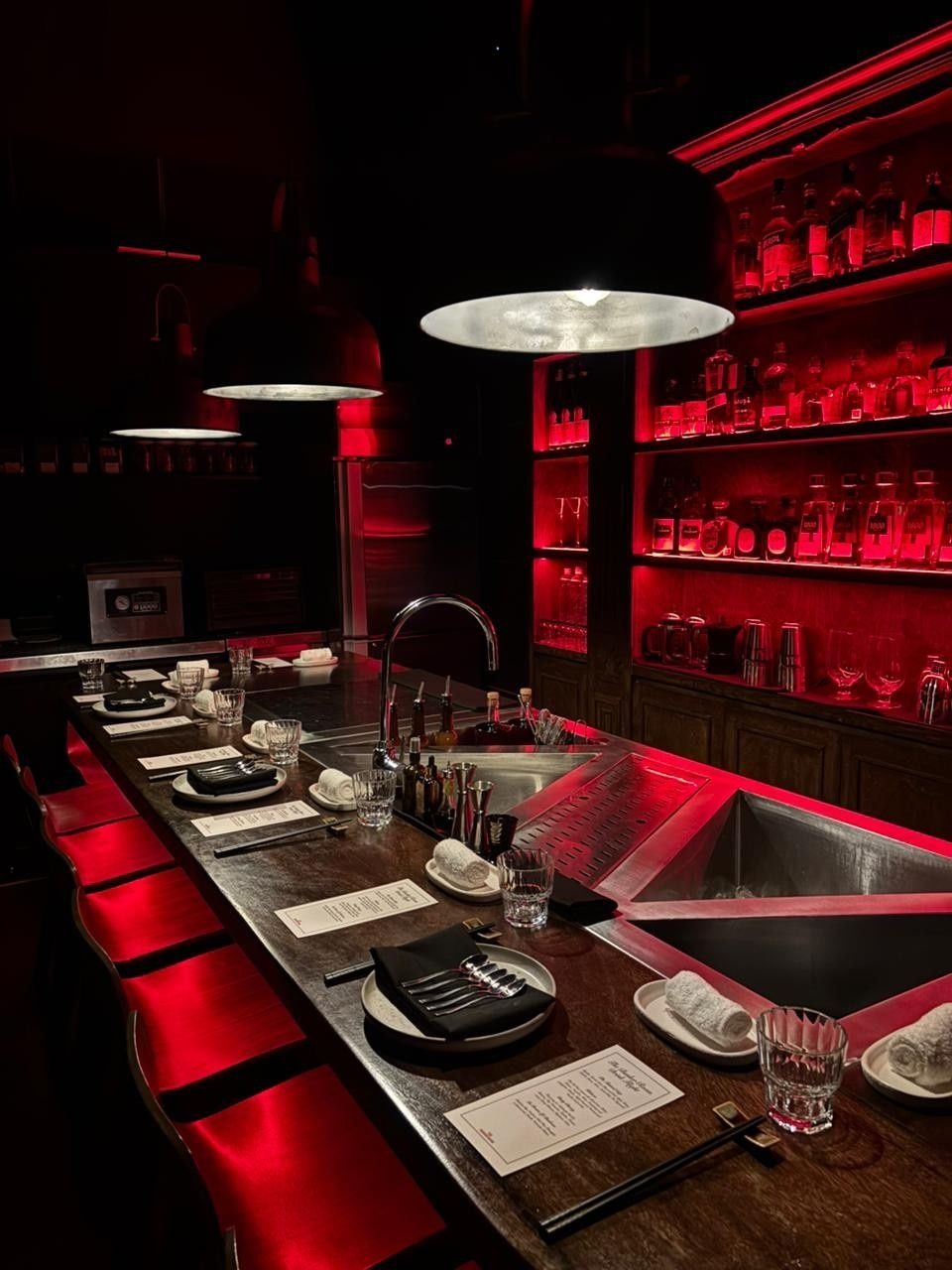
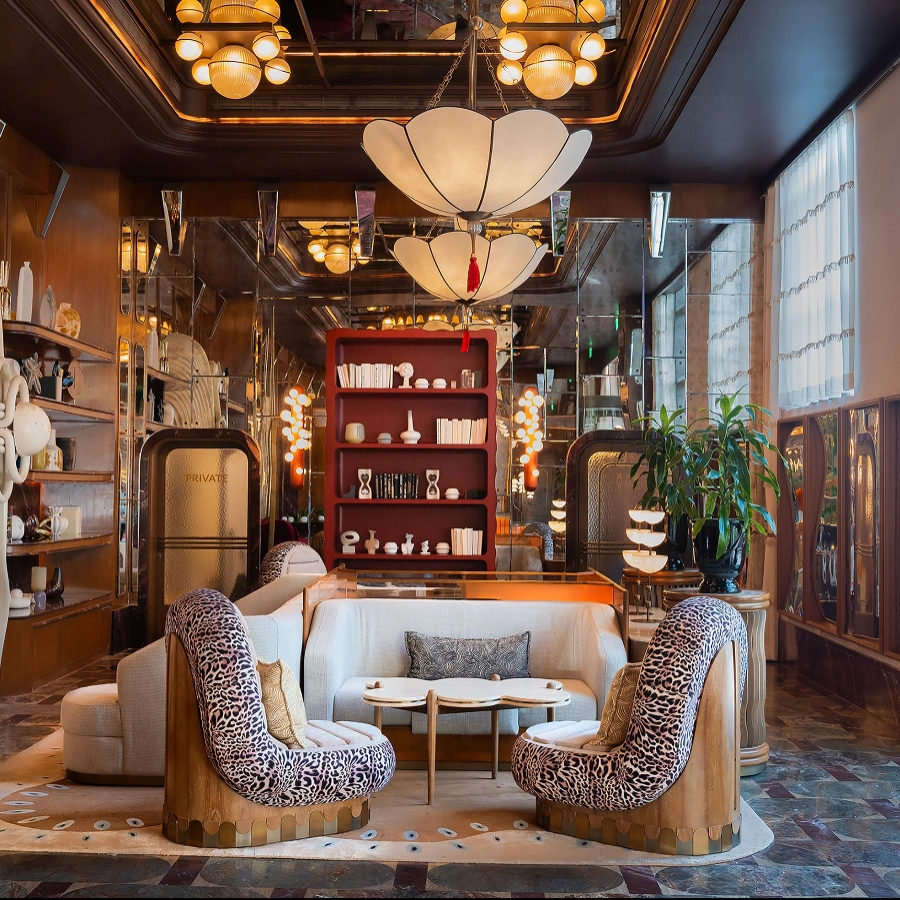
As you enter, the face of a neon pink pig stares at you from behind the bar. Even then, the space feels refined and lived-in, with Art Deco accents, brass and wood accessories and leather couches filling the room. D’Souza called out to Goa’s chicest residents—supermodel Lakshmi Menon and designer Savio Jon—to bring his vision of Bar Stoned Pig to life. The furniture has the refined touch that only a collector like Chiki Doshi could achieve.

Menon helped shape the overall mood and feel, Savio Jon guided the design and physical look of the interiors, and Chiki Doshi added personality by contributing curated objects and details that lend the space character and warmth. You’ll see this in the artworks on the wall, the sculptural accents, the miniature wooden sailboat that adds a nostalgic touch, the books and glass bottles that hint at a forlorn Goa.

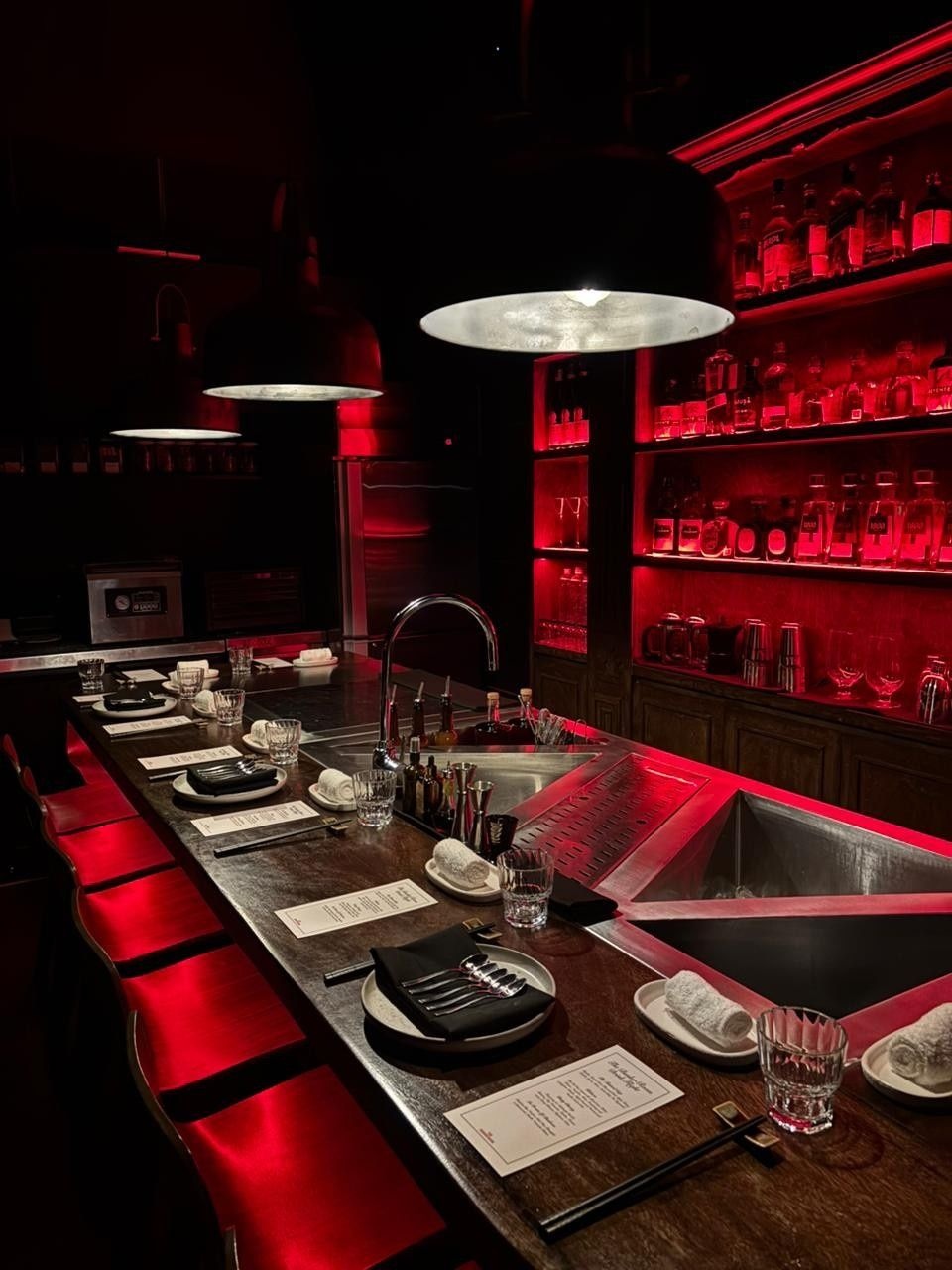
I settle into a seat by the bay window as Sujan Shetty, Slow Tide’s chief cocktail officer, methodically lays out his volumetric flasks, beakers, and test tubes behind the bar. The menu itself is a piece of design archaeology, formatted to replicate the original Stoned Pig publication—with cocktails that sounds like articles and advertisements from old Anjuna establishments, some still in existence.

“I had the desire to revive old cocktails,” says Shetty, “which suited the original Stoned Pig era perfectly. So this was never intended to be a complexity-driven bar. Goa already has spaces dedicated to highly experimental cocktails. I wanted this programme to feel intuitive and immediately approachable.” Shetty veered towards classics that have endured the test of time and are universally understood. “Instead of reinventing cocktails, we focus on refinement, balancing dilution, temperature, and texture. The aim is to offer drinks that feel familiar yet distinctly our own.”

My Cold Fashioned is one such revelation disguised as simplicity. Bourbon, peppermint, jaggery, and bitters present a colder, cleaner interpretation of the Old Fashioned. The peppermint alters popular perception subtly, introducing a cooling lift that brightens the drink while preserving its weight and spirit-forward character. The Bloody Batanga, a savoury highball, merges Bloody Mary with the relaxed drinkability of a Batanga, a tequila, vodka, mezcal, and tomato-topped concoction served with Coca-Cola. It sounds chaotic on paper, but in a glass it’s perfectly pitched. “This one’s a strong reflection of the bar’s personality,” says Shetty.

Next comes the Tomato Tirphal, a savoury interpretation of the Gibson with gin, dry vermouth, and tomato-tirphal pickle. It’s dry and vegetal in profile, the Goan tirphal contributing a subtle spice lift that reshapes the drink’s aromatic and textural balance entirely. By the time I reach my Banana Pandan highball, the bar has filled up. Conversations overlap and familiar faces—locals and friends of Slow Tide—rake up memories from a bygone era.

On the menu, there seems to be a clear south Indian influence. There’s mackerel para olives that speak to Goan coastal traditions, shrimp nuggets and southern chicken wings that balance familiarity with regional spice, inji puli pork bun, where tamarind-ginger chutney meets an global format, and Coorg chilli pork, which needs no explanation. It is food that pays homage to traditional cooking methods without being constrained by them. 

Like the broadsheet, the bar offers a space that is raw and left to your own perception of it. The music plays in the background, the service happens in the shadows, and nothing seems orchestrated. Instead, you get what you have—a great view, balanced cocktails, and food that accentuates the experience. 

Shetty says it’s all intentional: “The experience is not about the visual spectacle alone; it is designed by lighting, volume of the music, the pace at which drinks are served, and most importantly, the hospitality. When a drink shows up at the right temperature, tasting exactly the way we’ve envisioned it, and there’s comfort in the dining experience, it’s enough to create a memorable experience. Theatrics are fun, but they can’t replace the basics.”

It’s a refreshingly radical stance in an era when bars increasingly focus on multisensory experiences, complete with set design and carefully orchestrated narrative arcs. The Stoned Pig encouraged its readers to live in a free, conscious and collective manner, and now its namesake bar carries that spirit forward with a more modest proposition. It’s built on a simple belief: that you can respect a radical history without having to recreate it and that the best nights are those that nobody tried to engineer.

Address: Inside Slow Tide, H No.724/5, St Anthony Prais Waddo, Anjuna, Goa
Timings: 7 pm to 1 am
Meal for two: ₹2,000 (including drinks)
Reservations: +91 80552 55277

The Nod Newsletter

We're making your inbox interesting. Enter your email to get our best reads and exclusive insights from our editors delivered directly to you.