




Every city has a handful of places that acquire a mythology of their own. In Delhi, few addresses inspire quite as much curiosity, fascination, envy, and eyerolling in equal measure as the Delhi Gymkhana Club. Depending on who you ask, it’s a relic of the Raj, a bureaucrats’ playground, a sporting institution, an architectural landmark, a retirement village for Delhi’s establishment, peak privilege for teens or simply the best place in the city to spend a winter afternoon.
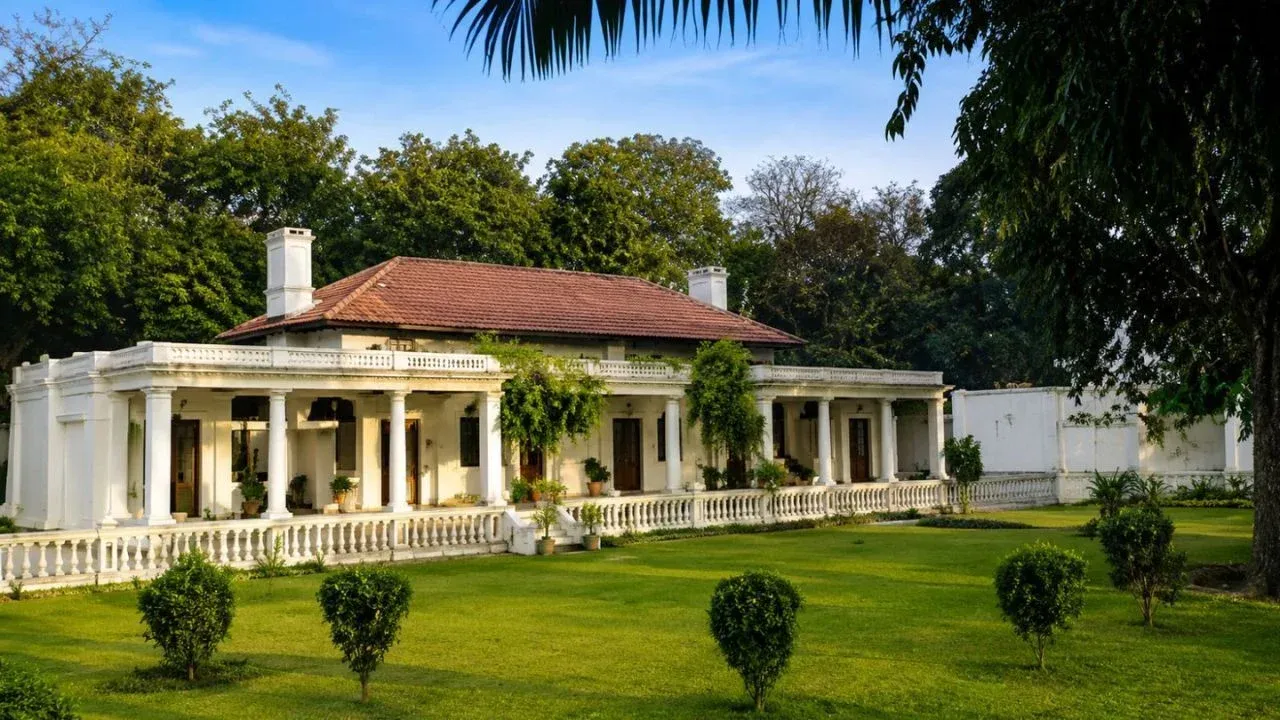
For nearly a century, the club’s sprawling campus has occupied a unique position in the capital’s imagination. Hidden behind its gates are deep verandahs designed to survive Delhi’s brutal summers, high-ceilinged rooms that remain cool even in May, sprawling lawns that have somehow resisted the city’s steady march towards concrete, and enough old trees to make you briefly forget you’re in one of the world’s most polluted capitals. In a city increasingly defined by traffic, construction, and relentless noise, the Gymkhana has long functioned as a pause button. People arrive for a game of squash, a swim, a quick lunch or a committee meeting and somehow find themselves still there hours later.
That future now feels uncertain. In May, the Centre asked the club to vacate its premises, citing the need for defence infrastructure. The move is particularly significant because the club occupies a prime 27-acre parcel of land in Lutyens’ Delhi, immediately adjacent to the Prime Minister’s residence on Lok Kalyan Marg. While the government later clarified before the Delhi High Court that the June 5 deadline was merely an option for voluntary vacating and that any future action would follow due legal process, the possibility of losing the club has already prompted a wave of nostalgia among members.
One of the most striking things about those memories is how often the same phrase appears. Again and again, people describe Gymkhana as a “second home”. We spoke to six heartbroken regulars about the corners, rituals, and routines that would be hardest to leave behind.
Nandini Gulati, 20, student
“The cheese sandwiches are iconic. I don’t think anybody does cheese sandwiches the way Gymkhana does. They come in those little triangle pieces, with buttered bread, cheese, and lots of pepper. The club bread is a thing in itself. It’s made fresh in-house, and the taste hasn’t changed over the years. My brother loves it so much that when all this news about the club shutting down started, we went a couple of days ago, and his first reaction was: ‘Let’s grab a couple of sandwiches before it shuts down.’”
Gautam Pandey, 47, filmmaker
“I learned how to swim at the Gymkhana Club. We all began in the children’s pool. Then going to the big pool, which had diving boards back then, was a big step up. There were years of waiting for that moment, and then you kind of snuck in to see if anyone objected, but no one did, so you quickly started. They had one classic springboard diving board and a three-level diving board. To jump from the topmost thing was something not everyone was able to do. I remember the day I finally jumped off that... That’s a core memory. Another core memory is that Gymkhana had its own drinks. They made Club cola and orange in a little factory, and you’d get these 200 ml bottles in wooden crates. They were a fixture at birthday parties and club lunches.”
Smita Tripathi, 47, journalist
“My older son’s birthday cakes have come from Gymkhana ever since he was five years old. He’s 19 now. The bakers remember his tastes and have made everything from dinosaur cakes to Star Wars cakes for him over the years. They make a really good chocolate cake and pineapple cake—nothing fancy, just classic cakes that are always moist and delicious. Even at my previous workplace, I used to order birthday cakes for colleagues from Gymkhana because they were reasonably priced and so good. The first time I brought one in, everyone loved it and kept asking where it was from. After that, it became a thing… If there was a birthday in the office, I was expected to get the cake from Gymkhana.”
Samira Sood, 41, author
“As children, my sisters and I practically spent our summer holidays at Delhi Gymkhana. We would have a morning swim, then chicken sandwiches and nimbu pani, and spend the day in the reading room until the pool opened again in the afternoon. We read everything—Nancy Drew, The Hardy Boys, Sweet Valley, Trixie Belden, The Bobbsey Twins, The Three Investigators. I was a big reader, and if I was in the middle of a series, the librarian would sometimes sweetly hide the next book in the series to make sure that it was available for me. In the last couple of years, I’ve made it a point to spend more time at the Club. I’ve hosted my book club there, and my last visit before moving to London was for a book club meeting. Before I got married, I also spent a lot of time there whenever I needed a break from wedding planning. I would go sit by myself, have a nice Bloody Mary, and read a book for a few hours.”
Madhu Bawa, 76, retired entrepreneur
“For us, the club was always about sports. We learned swimming, tennis, and squash there, and we’ve used those facilities across generations. I still go there to swim. They used to hold tournaments in July and during the summer months, and over the years I took part in swimming competitions for the over-50, over-60 and over-70 categories. I even won prizes. My children took part when they were young and won a lot of trophies. The atmosphere was always very nice, festive, homely, and casual. What people don’t always realise is how important the club is for senior citizens like me. A lot of them come every day. Some arrive with walking sticks, some in wheelchairs, some even with drip bottles. It’s a reason to get out of the house, sit outside, have tea, and be around people. For many, it’s really a second home.”
Atul Dev, 87, retired Army officer and media professional
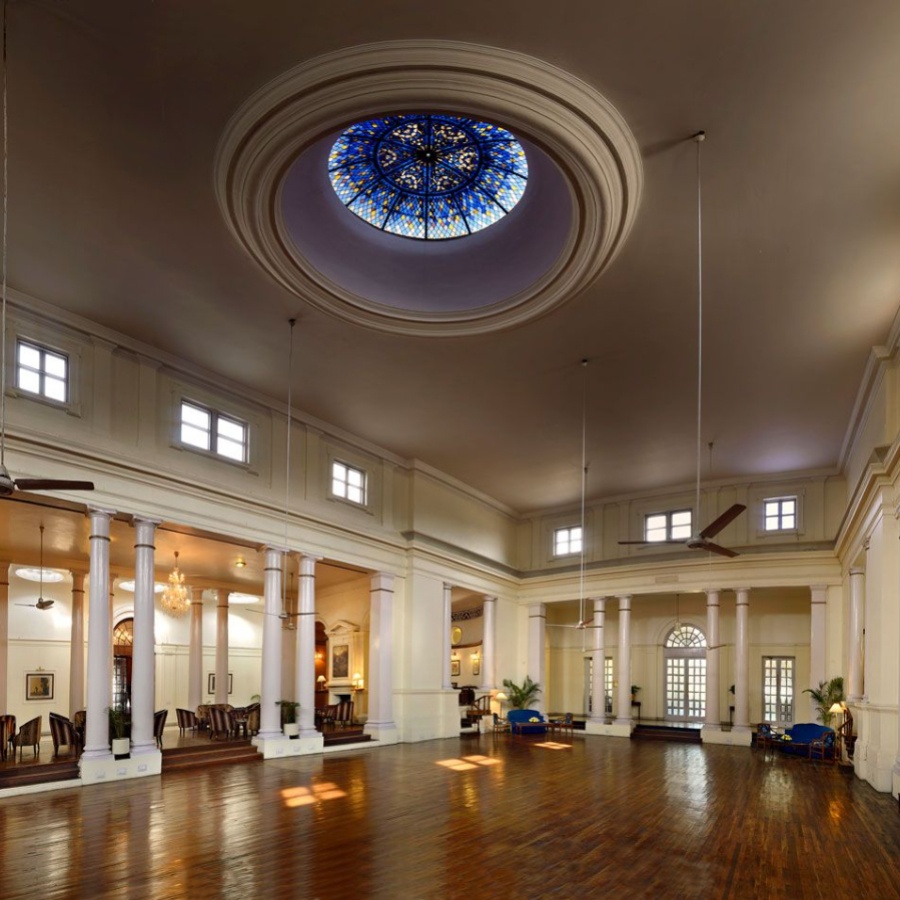
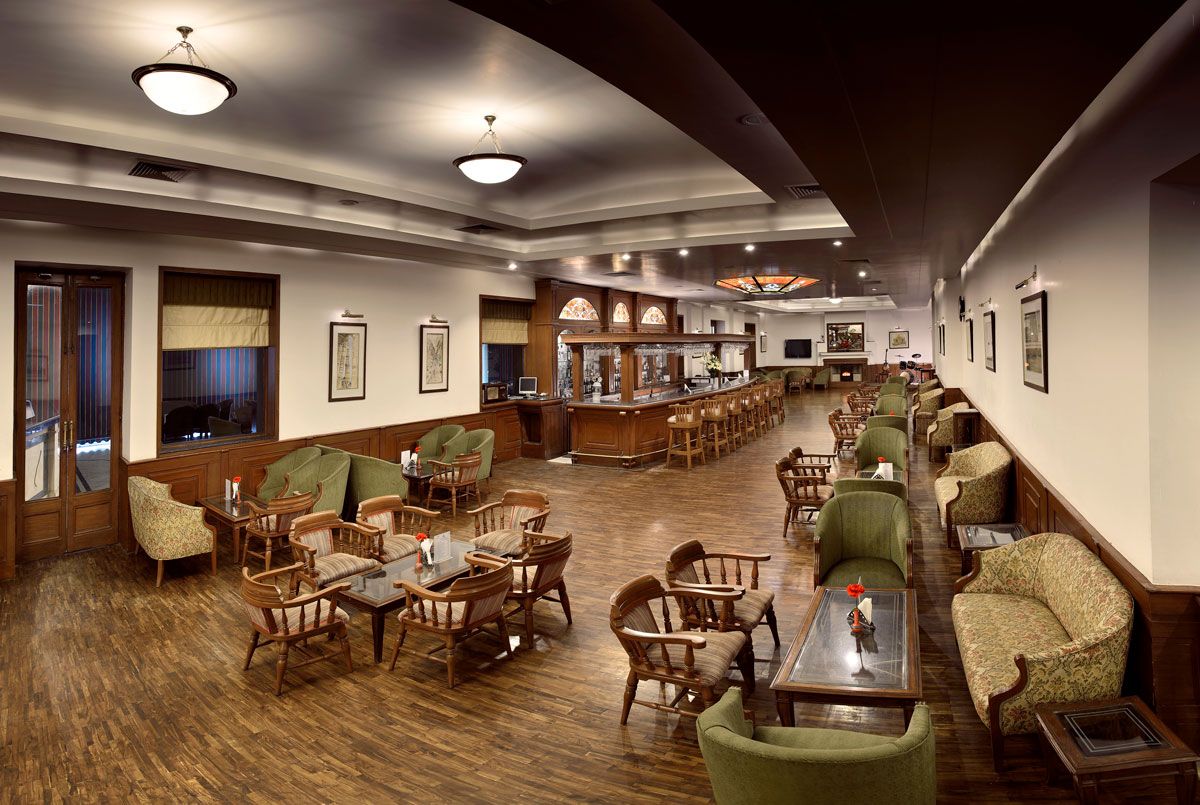
“I’ve been a member since August 1960 and have seen the club through many different eras, but some of my fondest memories are of the dance floor. Ballroom dancing was very common in the Army in those days, and every Saturday night there would be a dance. I never missed one. It was a proper dance floor, properly maintained, and we spent many evenings there.”