



Brief Encounters09 Aug 20266 MIN

DJ Navendu can turn pizza boxes and buttons to MIDI controllers

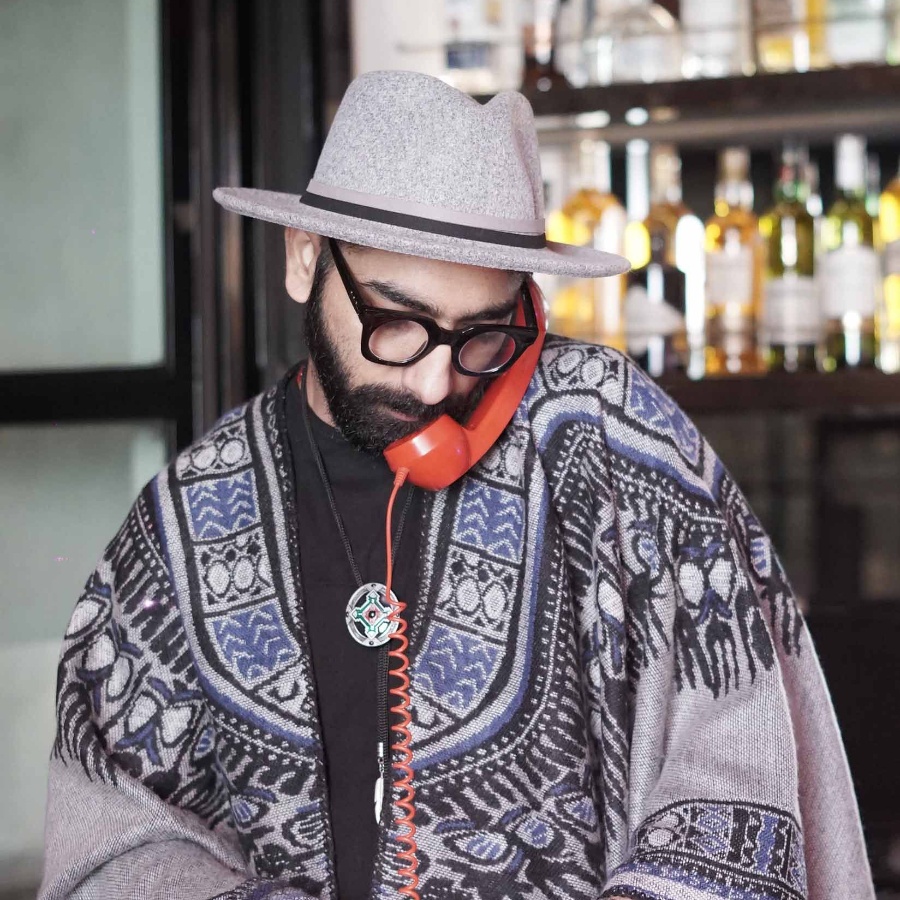
“India’s first MIDI artisan” talks about how some overpriced DJing equipment led to the coolest gadgetry you’ll see at a gig. And he’s making sure you can build your own too

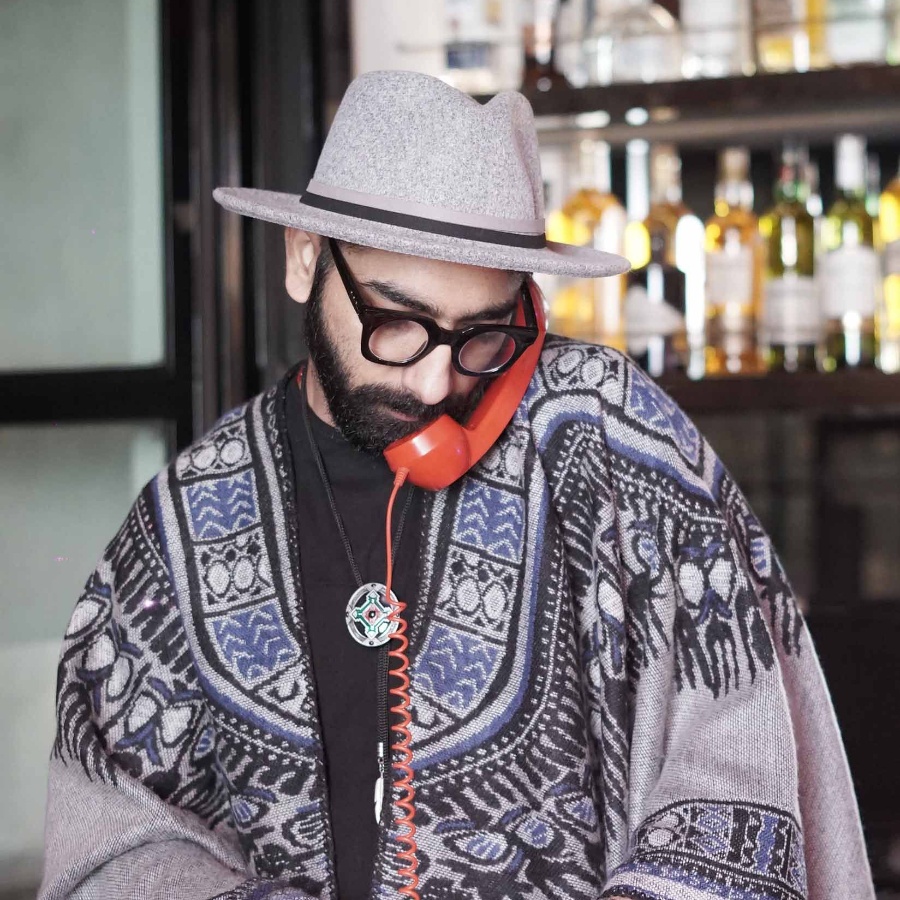
DJ Navendu

Name: Navendu Malik

Age: 37

Profession: Multidisciplinary artist & DJ

Location: Delhi 

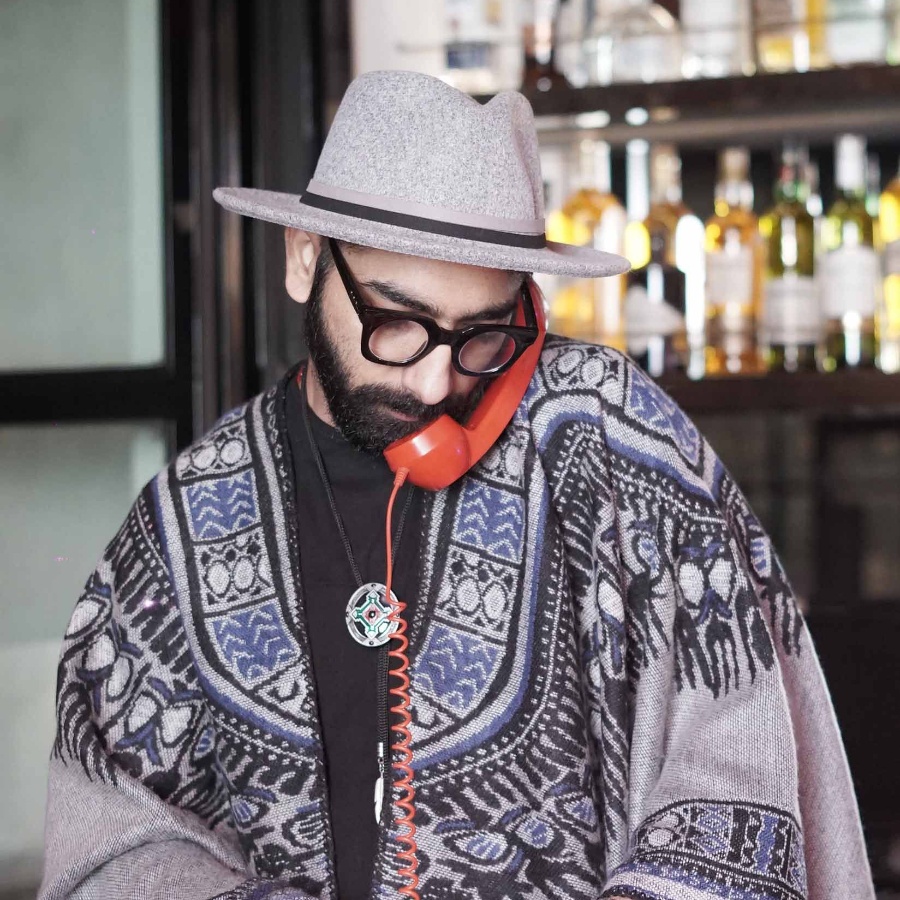
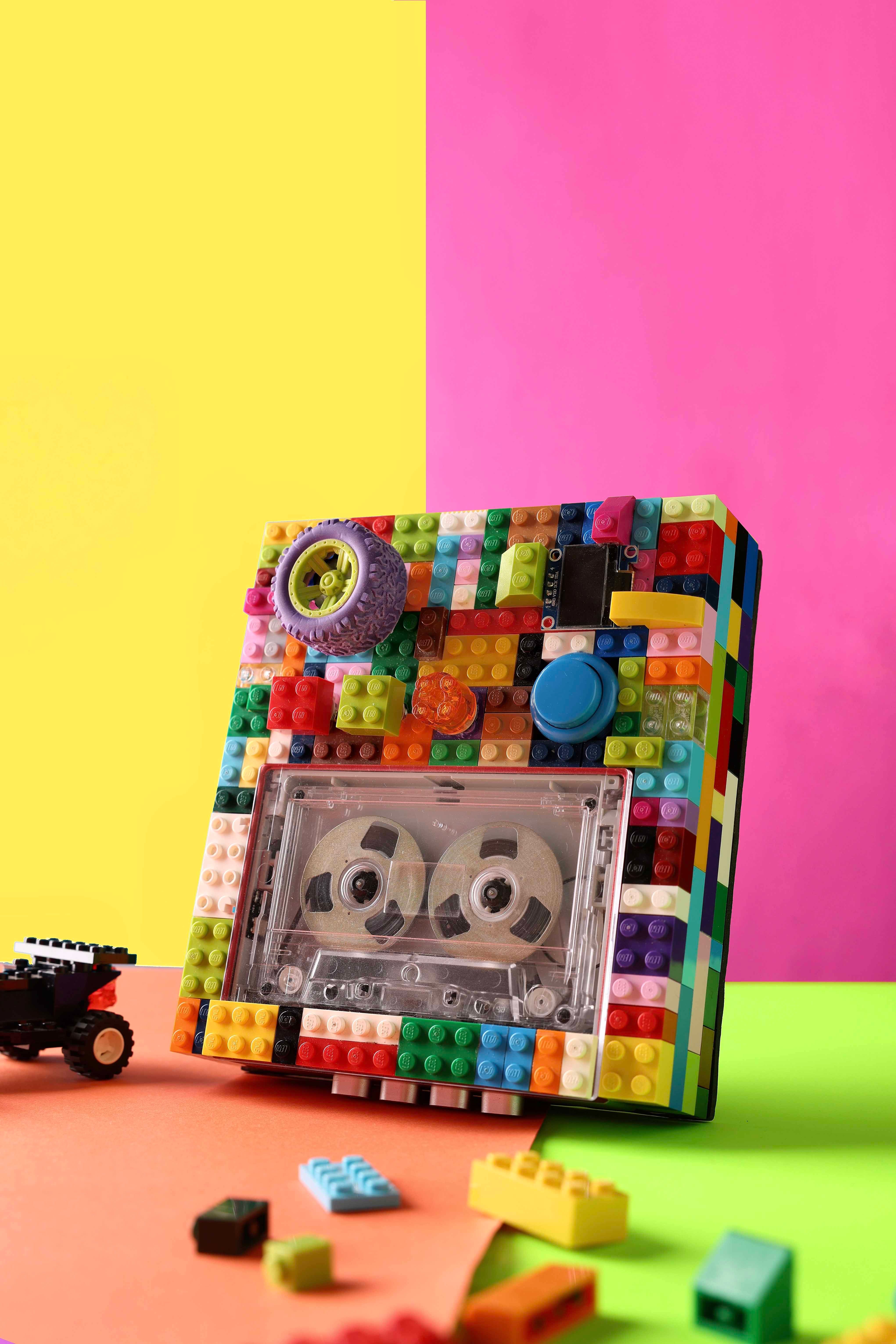
What’s the big deal: We’re all aware of the DJ type—late risers with precious track lists and pretentious favourite songs that rarely have lyrics. That’s until you meet Navendu Malik, who puts his own spin on things. A multidisciplinary artist, Malik sees the equipment as a part of the artistry. And the result is some of the funkiest Musical Instrument Digital Interface (MIDI) controllers in the music scene. From Domino’s boxes to LEGO-encased cassettes, a wireless Nintendo Game Boy MIDI to an actual Chernobyl button, Malik seems to find a muse in the most unexpected places. And if you’ve seen this “India’s first MIDI artisan”—as he calls himself—at a gig at NH7 Weekender or even Karlovy Lazne, Prague, chances are you were lucky enough to spot his pizza-box MIDI, too. 

So, the short story? “Music equipment is too boring (not to mention limited) for how expensive it is.” For the long story, read below:
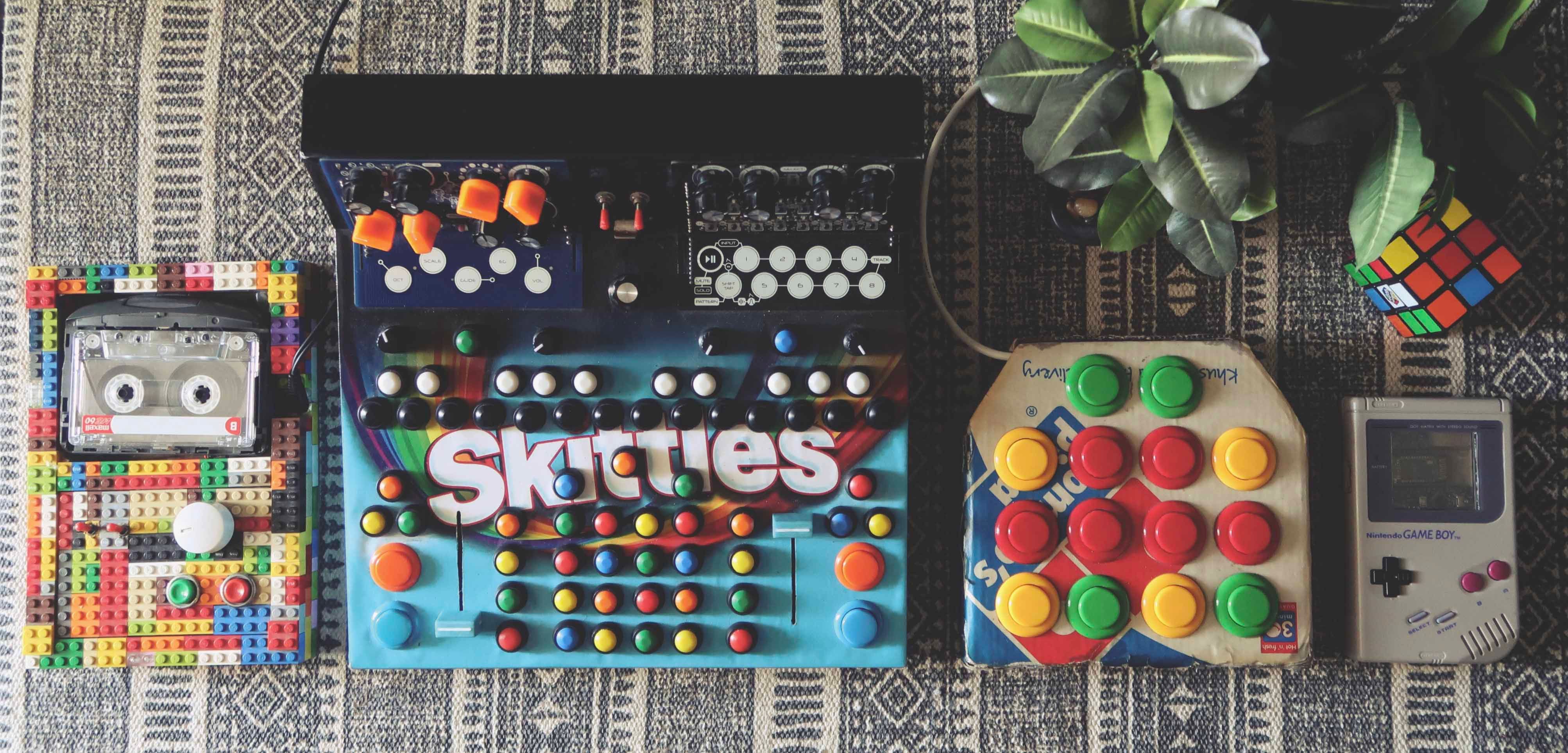
 DJ Navendu controllers
Navendu’s assortment of custom MIDIs 

How the first custom Navendu MIDI came to be: “I had spent some time DJing using the equipment at venues, but that usually came with its own challenges. Eventually, around 2012, I booked a residency and decided that I need my own equipment. I wanted the MIDI Fighter, but it cost ₹30,000 and I didn’t think it was worth it. So, I decided to make my own controller. The MIDI Fighter used buttons like on a video game controller. So, I bought 12 buttons from Chandni Chowk—around ₹10 rupees per button. I used a joypad I had at home to take apart and use as the core of the piece. Then all that was left was the exterior, which is where it all came together. While I was putting this together, I ordered a pizza. I was on a budget and I thought the pizza box was the perfect size for this prototype. Thus, the pizza-box MIDI came into being. I used it over that weekend and it caught people’s eye. Something about the ordinary object stood out. Maybe because it was out of its context, maybe because it felt fresh against the boring black console they were used to, or maybe because of the winning combination that is pizza on a night out, it made people smile. It was ₹120 for the buttons and ₹300 for the pizza; all it took was two hours of labour and less than ₹500 and I had my own DJ controller.”

Learning the nuts and bolts: “My father is an engineer. After retiring from the Air Force, he entered the hospitality industry. His work as security manager and deputy chief of security at a club in a hotel (present-day Kitty Su at The Lalit), which exposed him to artists like Boney M, ABBA, Modern Talking, and the likes. He brought those cassettes back home, and that became my gospel. I have also always watched him closely and learned how to fix things around the house, say a fan or a mixer. He would just open it up and repair it. I found it fascinating. So, for me the tinkering was very natural. I am a younger sibling to an older sister, so I used to annoy her constantly. To take revenge, she used to destroy my GI Joes. So, I put them in my cupboard and took a buzzer and made an alarm so if anybody opened my cupboard the alarm would go off. It was placed in a way that only I knew how to open my cupboard without setting off the alarm.”

How music and tech came together: “It was around 2004, in the break after my 10th grade board exams. I was trying my hand at Photoshop and some audio editing software. I started making remixes and gave those CDs to my friends to play in their cars. I would change the frequencies so that the song would sound good according to their car and sound system. Soon after, at my sister’s wedding, I went up to the DJ and asked him if I could play some stuff. He had very few English songs—‘Superstar’ by Jamelia and ‘Milkshake’ by Kelis—but he didn’t know them very well. He was impressed with how well-versed I was with English music. So, we struck up a deal. I gave him the music, he gave me his equipment to practise. I accompanied him to Indian weddings to play during the time the guests were arriving, which then evolved into gigs with clientele who wanted good retro English music. Eventually, he let me take the lead on those. It was great practice for me, but it also taught me how to read the mood of the room and play according to that, that song selection is about matching the vibe, not showcasing your idea of good music.”

The first gig: Once I had got in some practice and gotten more serious, I went to my father to tell him this is what I want to do. He had a word with the guy who ran things at Annabelle’s (now Kitty Su), who agreed to let me audition. I was confident in my abilities but still nervous, of course. It went well, and he decided to refer me for a New Year’s Eve gig. New Years’ Eve, 2007, at Castle Nine in Connaught Place. That was my first paid gig.”

The MIDIs made a strong impression: “In Copenhagen, the pizza-box MIDI turned a hesitant party organiser into a fan, stretching my 30-minute set into an hour-long performance. In India, when I was performing at Raasta, artists like Nucleya, Medieval Times, Pradheep, and Naezy, and Diana King—whose music I grew up listening to—admired the instrument. Another one people love is my Skittles controller, which I created in 2019 when I was stuck on bed rest. I had a vision of a device where I could DJ but also play pre-recorded loops on Ableton (his music software of choice) live, with a small synthesiser and drum kit. Of course, there wasn’t, and still isn’t, a device like that on the market. Luckily, I had time on my hands. When I made the prototype, all my followers thought it looked too serious, too much like a big piece of technology, which wasn’t my style. So, I decided to revamp it, and as I added on the colourful buttons I realised they looked like Skittles. And once I got that inspiration, it all came together from there.”

The cassette affliction: “The follow-up to the pizza box was the cassette controller. Because I grew up listening to cassettes, I have a pretty good collection of over 200 now—from Mr President to Aquarium to Pink Floyd. When I used to listen to songs on my Walkman, there used to be a hole in the back to change the speed of the motor. The basic concept of DJing is, first, track selection, then matching the speed of the song. In cassettes you cannot change the speed. But I thought, what if I use the small knob of the cassette and try to change that. I made the circuitry on my own.”

LEGO casset DJ Navendu
A Lego-encased controller

He may not have a degree, but he’s had a lot of education: “My parents took notice when I spent time editing or carrying a whole PC to a party just so I could play my tracks. They told me, ‘Just finish your 12th. You can do whatever you wish to do after that.’ So, I didn’t study after that, but I’ve studied everything in the way that I know electronics. I’m studying how you can do electroplating. I recently purchased a 3D printer and I’m learning 3D designing on my own now. Because I’m creating something from plastic, I want to be eco-friendly, so I educated myself on how I can set up a solar panel, which will be self-sufficient and power this 3D printer.”

There’s always something in the pipeline: “I’m working on two controllers that really excite me. One is a DJ controller for the visually impaired, which will have a braille display and braille on the buttons. I’m also building a controller that includes a button from the nuclear reactor in Chernobyl. I sourced it from some of my contacts because I do a lot of restorations on vintage watches and vehicles as well—vintage scooters, like Vespas from the ’70s, Lambrettas, Bajaj Chetak, Bajaj Super... I did my first bike this year—the restoration of a classic Enfield. Every corner of my home is messy (apart from my bedroom, which I try to keep tech-free), because there’s a project in every corner. Aside from that, I work on custom controllers for people around the world upon request, primarily other musicians or DJs who too want hardware that reflects their sensibility. I also make these DIY MIDI kits, which will be available on keylona.com or my Instagram (@chasing.nothing). Basically, I’ll send you buttons, and you are the one who has to solder it. So, you feel like it’s something that you’ve built and you feel very comfortable with it. I also conduct workshops about two or three times a year. I did my last one in Bengaluru and I’ll be doing the next one online so it’s easy for people to join.

Making music hardware more accessible is a big part of why I got into this work.”

The Nod Newsletter

We're making your inbox interesting. Enter your email to get our best reads and exclusive insights from our editors delivered directly to you.