



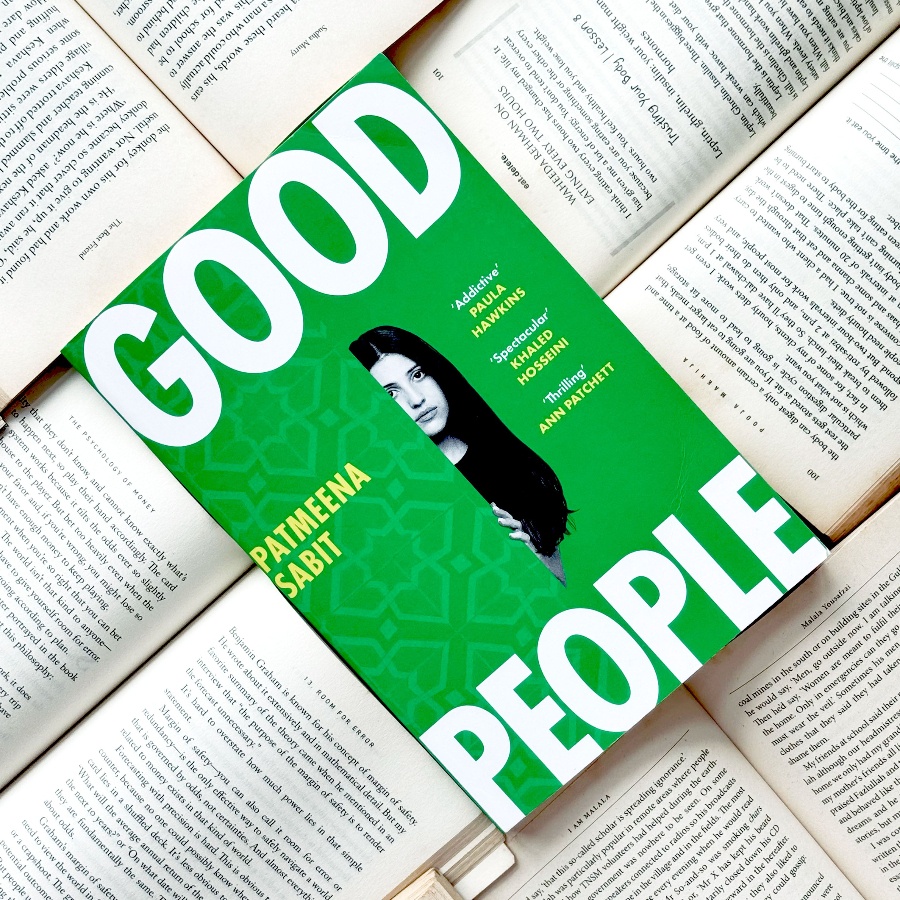

Join our Instagram channel to discuss our book of the month, ‘Good People’ by Patmeena Sabit, as we read it. From every-thought-you-had-while-reading to exclusive notes from the author, there’s a lot to unpack here.
It’s too hot to do anything but switch on the air con, curl up in your reading nook and stay at home. And our June pick for The Nod Book Club is designed for this noble pursuit. This month’s pick is by a debut author and is compulsively readable, crafted in short chapters almost written to cater to the attention deficit of the social media age.
Good People is set against the aftermath of the death of 18-year-old Zorah Sharaf, an Afghan American teenager, who is found dead in a canal after a mysterious car accident. But it’s not a whodunnit in the conventional sense. Instead, it’s a murder mystery where the community plays detective instead of the cops. In fact, the mystery here isn’t who or what killed Zorah Sharaf but the life she lived before that death. Through the 383 pages, we are presented with new findings and observations that contribute to the character building and character assassination of Sharaf.
So, what is so special about Good People?
Patmeena Sabit’s narrative device of using multiple voices as chapters is ingenious. The good people from the title are in fact the polyphonic voices that make up the short and terse chapters, each member offering their view of the deceased and thus revealing to the readers the inner complexities of a society.
At its heart, Good People is the story of a family of six—four kids and a set of parents—headed by Rahman Sharaf, a first-generation Afghani immigrant in the United States who is living the American Dream, having built himself a real estate empire. When the Sharaf family moves into a big home in a fancy neighbourhood, their local community starts flocking to them—to flatter and, of course, to judge. The communal gaze becomes evident when their smart and beautiful daughter Zorah dies mysteriously.
Of course, people begin to talk: Did Zorah, “wearing jeans and blouses so tight it was like she’d been sewn into them”, cause her own death? Was it because of her weird brother? Was it because of their protective parents? Or did her fraternising with an older boy cause it? Was a fallout with her best friend responsible? You don’t get the answers to all these questions, but Sabit shows you the verdict in the court of public opinion—through the eyes and ears of people who knew the family.
Why should I pick it?
Told entirely through the lens of her friends, neighbours, teachers, relatives, members of their close-knit Afghani community, and even the press, Good People purposefully denies Zorah’s own family their voice. Instead, her death, her father’s rise to wealth as well as her every move is scrutinised by these ‘good people’. Relatable to an Indian audience, the ‘log kya kahenge’ mentality pervades this story. Through almost 50 testimonies, some just two-lines of observations by acquaintances, others repeated POVs by those closest to the Sharafs, we get a novel that is less true crime and more unreliable documentary coloured by people and their opinions. Clashing accounts of events, presumptions, opinions, and prejudice make up each chapter. And each chapter imparts an awful yet almost-delicious morsel of gossip coming together to form a portrait of the Sharaf family. Read it because it’s a novel that sits with you long after you’re done, because the speculative side of human nature is ever so relatable and because once you start this story you won’t be able to stop.
About the author
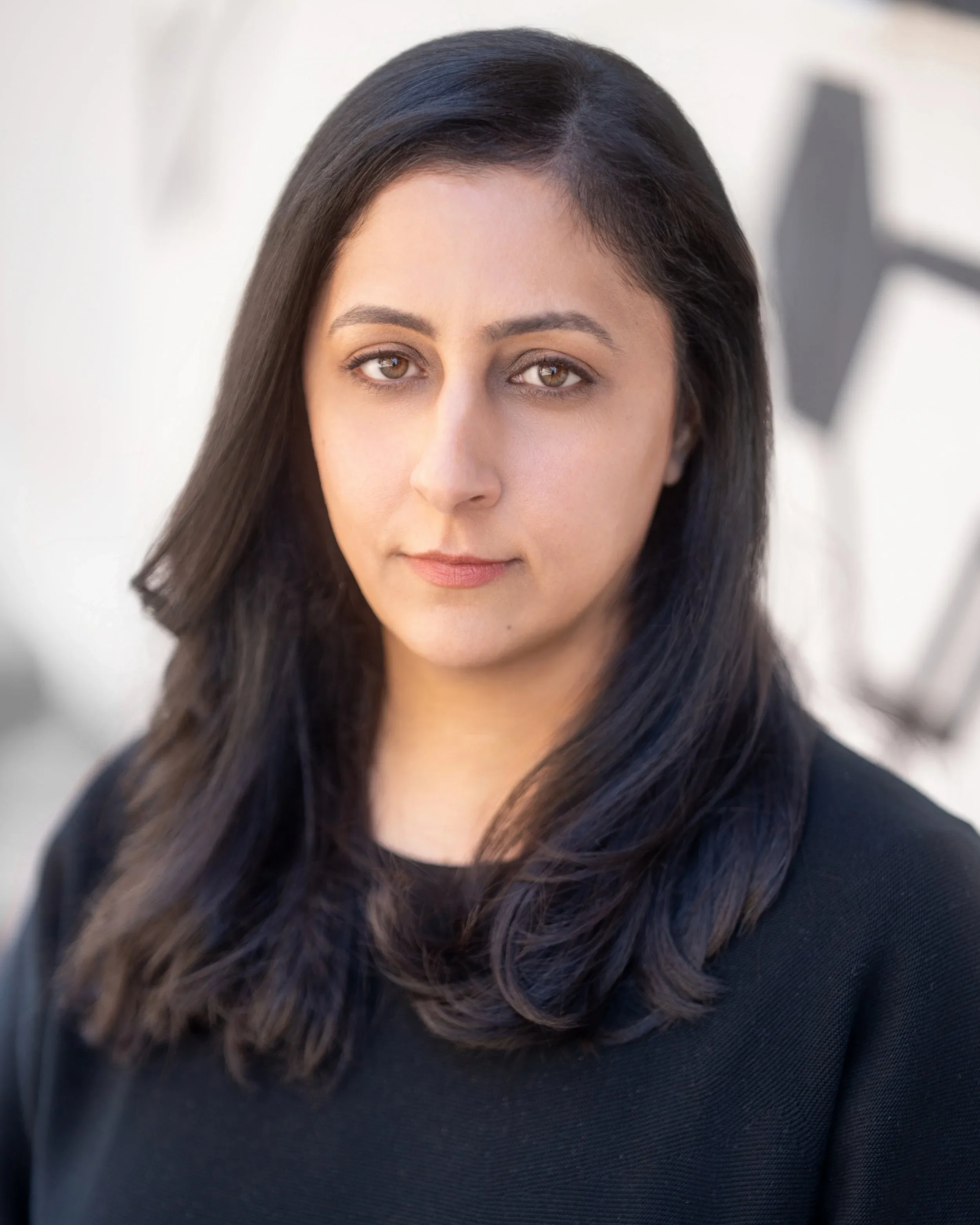
Patmeena Sabit was born in Kabul a few years after the Soviet invasion of Afghanistan. When she was a month old, her family fled the conflict and became refugees in Pakistan, joining the millions of other Afghans that had sought refuge there. They later moved to the United States and she grew up in Virginia. She did her Bachelor’s degree at McGill University in Montreal and has a Master’s degree from the University of Ottawa. Sabit currently lives in Toronto.