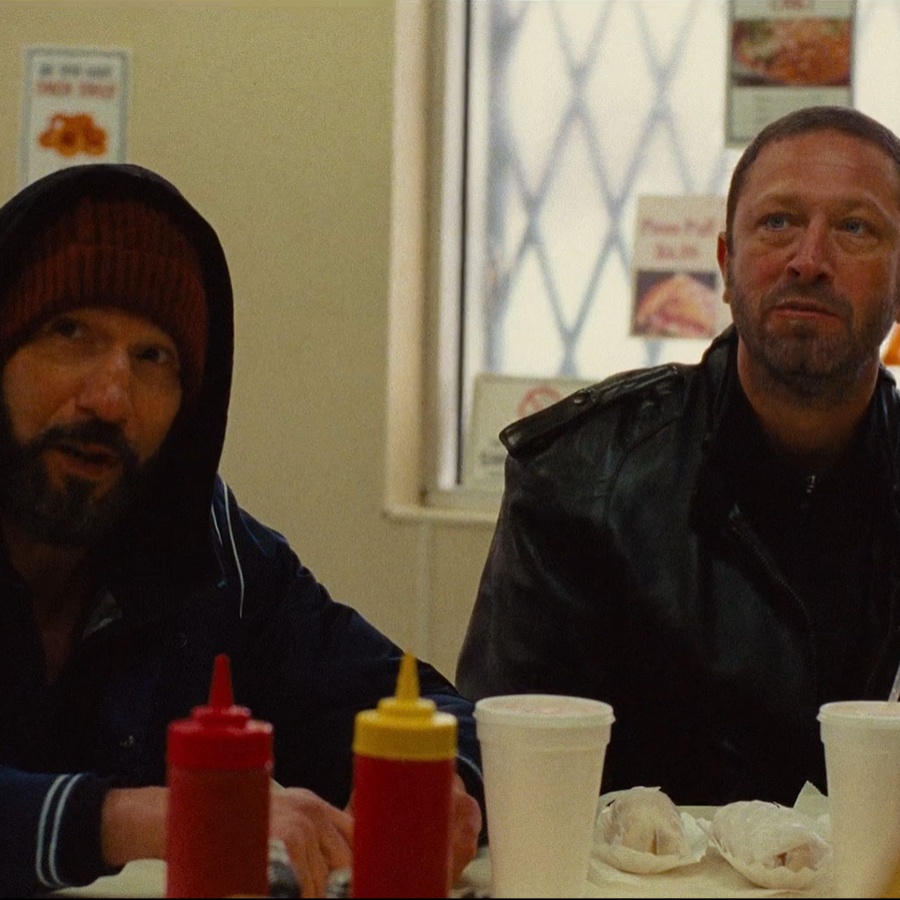




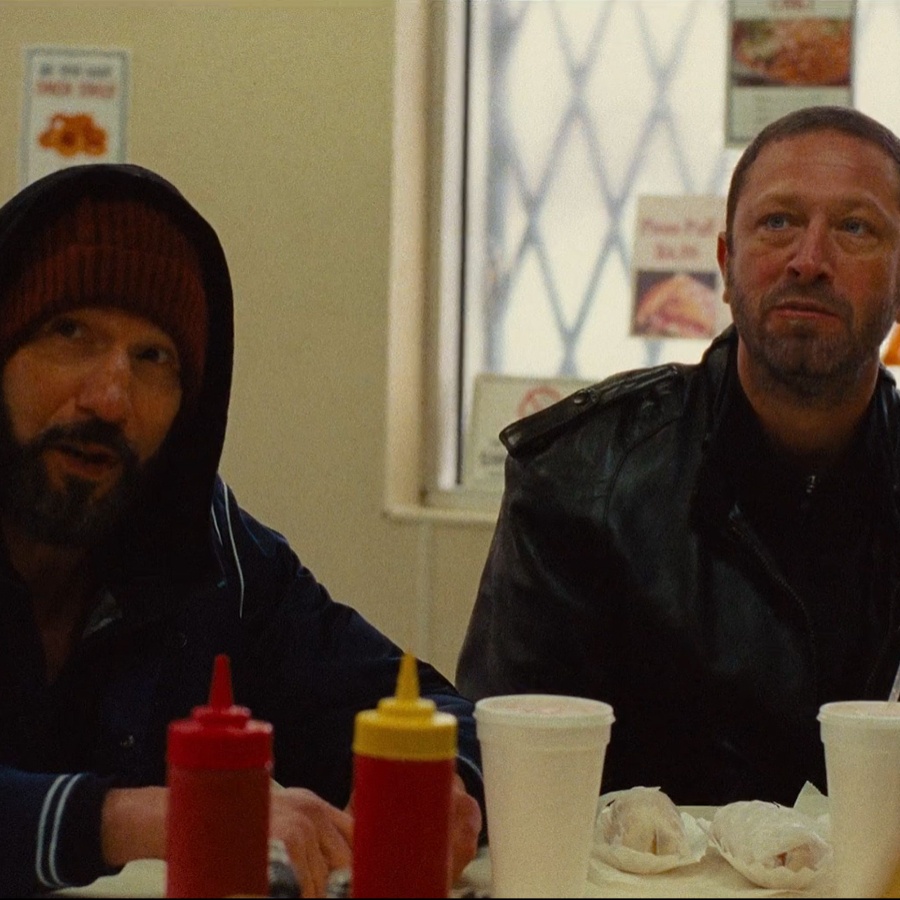

Two dudes lounging under the sun, peoplewatching and just summering, is the kind of visual you’d associate with a regular travel blogger’s Instagram feed. But the video I’m looking at is not playing out at the beach; it is in Matunga East in Mumbai. And the guys in the frame are a part of the trio who go by The Croffle Guys, the co-owners who have made a successful business out of combining a croissant and a waffle, opening five outlets across the city in just a year.
On their IG, you won’t see the crossover dish in its many iterations from their menu. What you’ll find, instead, are episodic drops of the three founders discussing everything from their target audience to every cringe, absurd croffle-centred AI slop video they’ve encountered.
The Croffle Guys are not alone. A few minutes from their Santacruz store is Mokai, a popular Bandra coffee shop that has now become its barista’s playground. Mokai’s 50k-plus followers are not there to see the Hokkaido milk buns from their menu on their feed but to witness Suraksha roasting their guests about their fifty order modifications.
Episodic storytelling has helped cafes engage with their audiences. By putting the staff, the owners, and the people behind the scenes front and centre, bars and coffee shops are prioritising storytelling that familiarises patrons with their staff and the vibe they’d get. And Gen Z is entertained and intrigued. Mokai’s Suraksha-coded content and The Croffle Guys’ Reels garner more than 200k likes on an average.
On the feed of Bengaluru’s Bar Spirit Forward, you may not see images of clinking beer mugs and clarified cocktails glistening with perfect condensation but high-production-value Reels that present a livelier grid, rife with tipplers having a good time, bartenders in action, and staff interacting with guests. In Goa, when The Second House opened its bar-within-a-bar, Bartender’s Bunker, they started with an introduction to the people behind the bar even before they introduced their drinks menu on the page. In recent times, Yash Bhanage of Hunger Inc Hospitality has amassed over 22k followers by sharing insider thoughts, chaotic BTS footage, and the camaraderie that goes into setting up a restaurant.
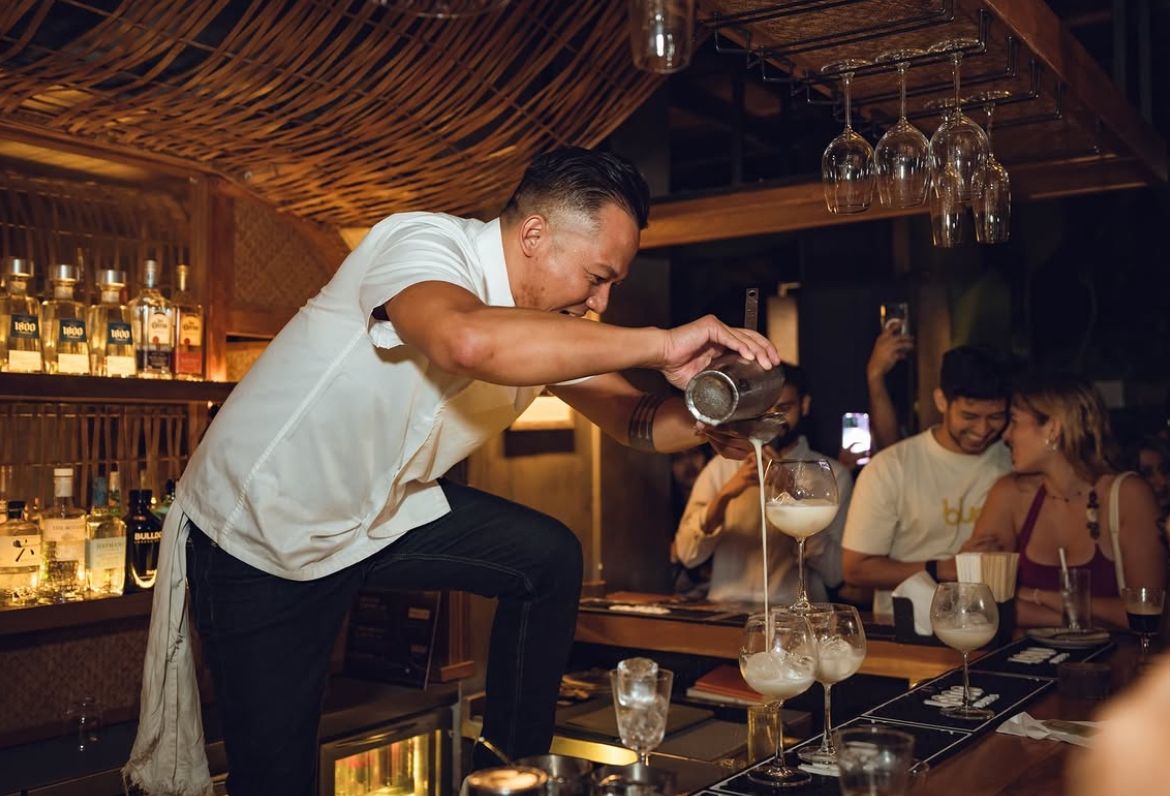
Studies reveal that 73 per cent of the Gen Z and millennial clientele pick a restaurant based on what they see on their feed—not just PR buzz, influencer reviews or general ratings. “F&B influencers can draw people to these spots, yes. But when a bar posts videos or photos on Instagram that show you what the experience and vibe you’re walking into might look like, it paints a clearer picture,” says Nitin Tewari, consultant mixologist for several bars in India and around the world, from Bhawan in Gurugram, Taro in Udaipur, and Toast & Tonic in Bengaluru, to Foreign Return in Sydney and Rooh in San Francisco.
The strategy now involves moving beyond menu drops and Pinterest-y posts to truly reflect what’s changing behind the bar. The bartender is now part host, engaging, interacting and sometimes even partaking in your drinking rituals. You’ll notice this shift at some of the buzziest bars today, whether it is Boilermaker in Goa, Soka in Bengaluru, or Bandra Born in Mumbai.
“One of the most fun things I do with guests is an interactive cocktail workshop at the bar,” explains Aashie Bhatnagar, former lead bartender at Cobbler & Crew, Pune, and winner of the World Class India Bartender of the Year title in 2023. “I start by teaching them a few classic cocktails, and then I turn it into a mystery box challenge,” says Bhatnagar about her interactive ideas. At her bar, guests are given a box of surprise ingredients and have 30 minutes to create a cocktail inspired by a personal story. “It’s a beautiful mix of creativity and chaos, a level of guest participation that even five years ago would have been rare,” she adds.