



The Insider19 Feb 20266 MIN

Astha Suri’s Lucknow goes beyond tunday kebabs

Featuring the best-kept secrets in food, shopping, and strolling, the founder of Naso Profumi shares an insider’s map of the city she calls home

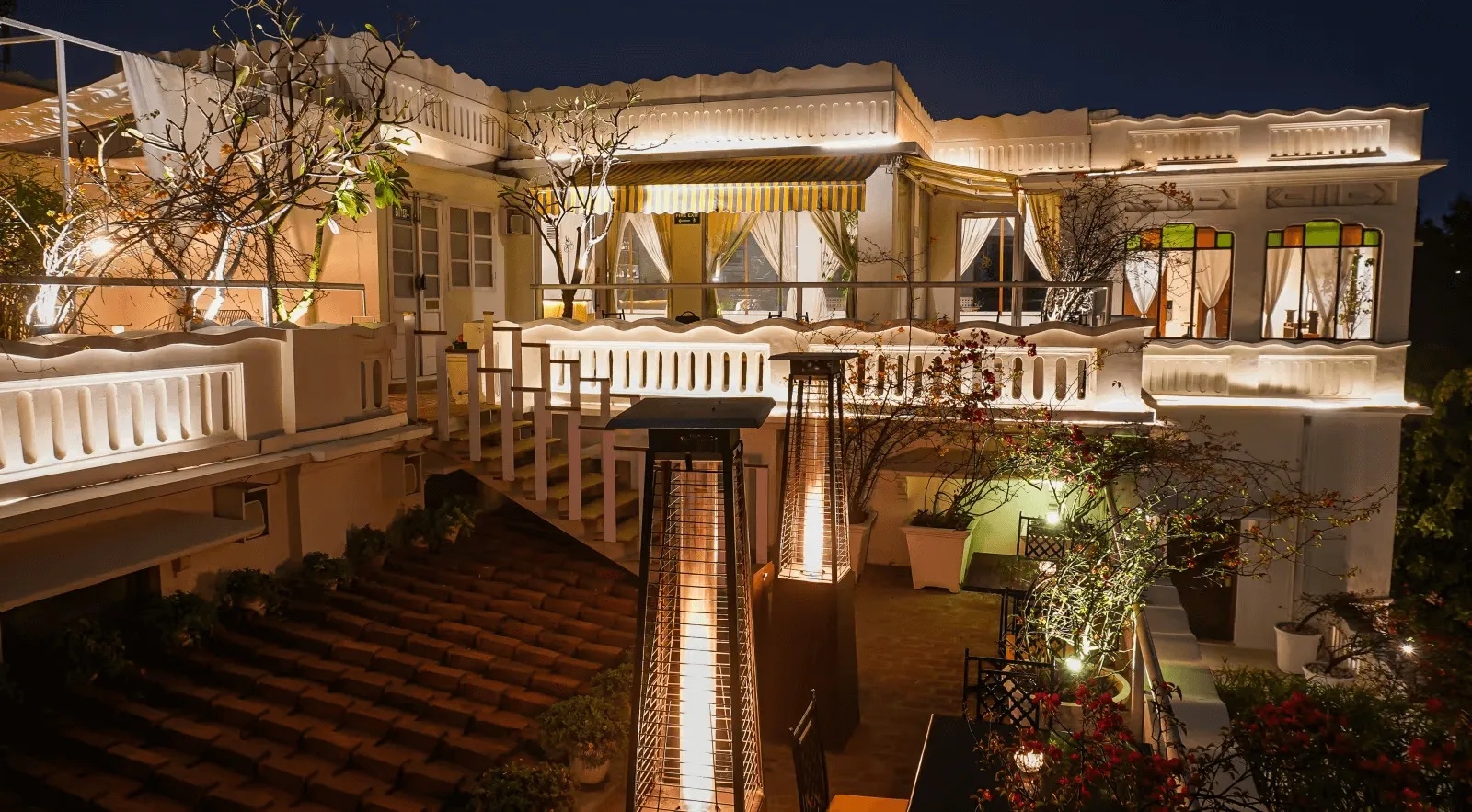
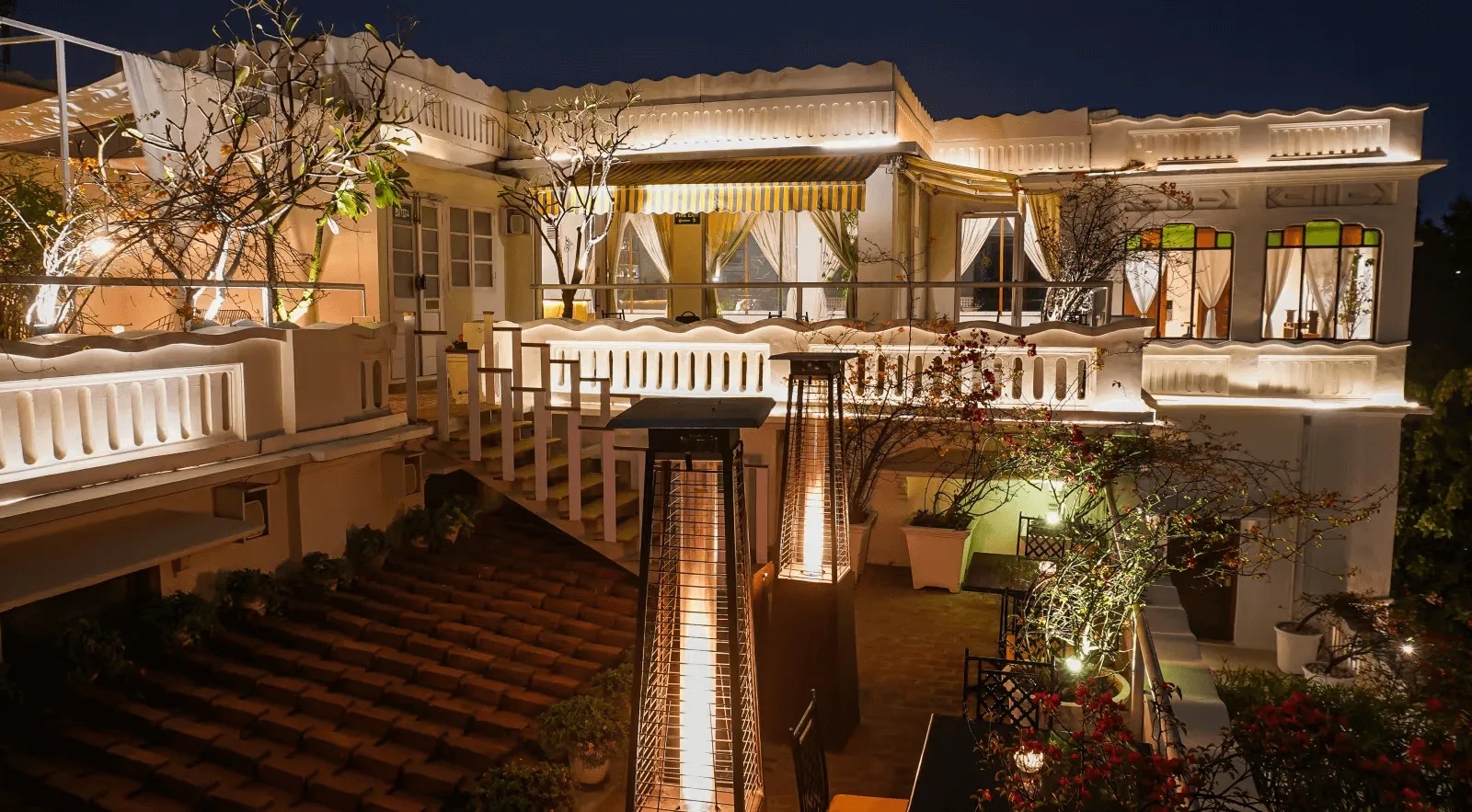
Bara Imambara

Bara Imambara in Lucknow

Born and raised in Lucknow, Astha Suri has spent the better part of her life in the city, making ganjing—a distinctly Lucknawi trait of experiencing things in an unhurried, indulgent fashion—second nature. “It’s more than just shopping,” says the founder and creative director of artisanal perfume brand, Naso Profumi. “You move seamlessly from old arcades to buzzing lanes, past neighbourhood institutions and family-run stores selling everything from traditional chikankari and zardozi to unexpected, idiosyncratic finds.”
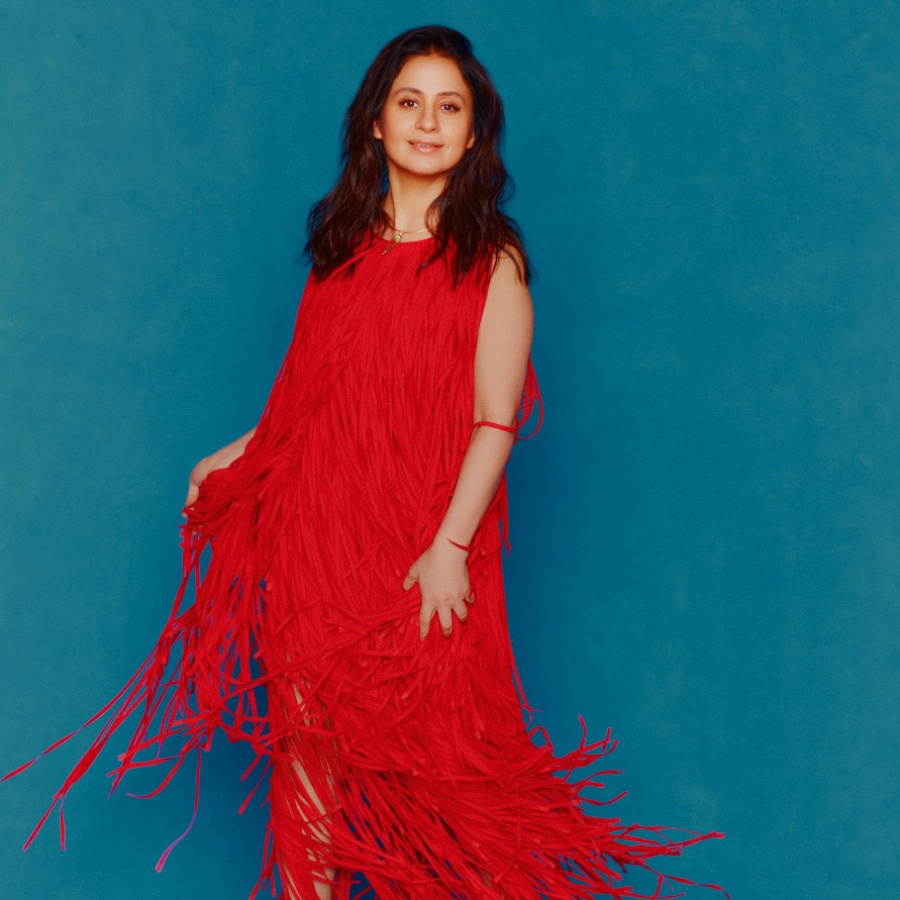
Astha Suri

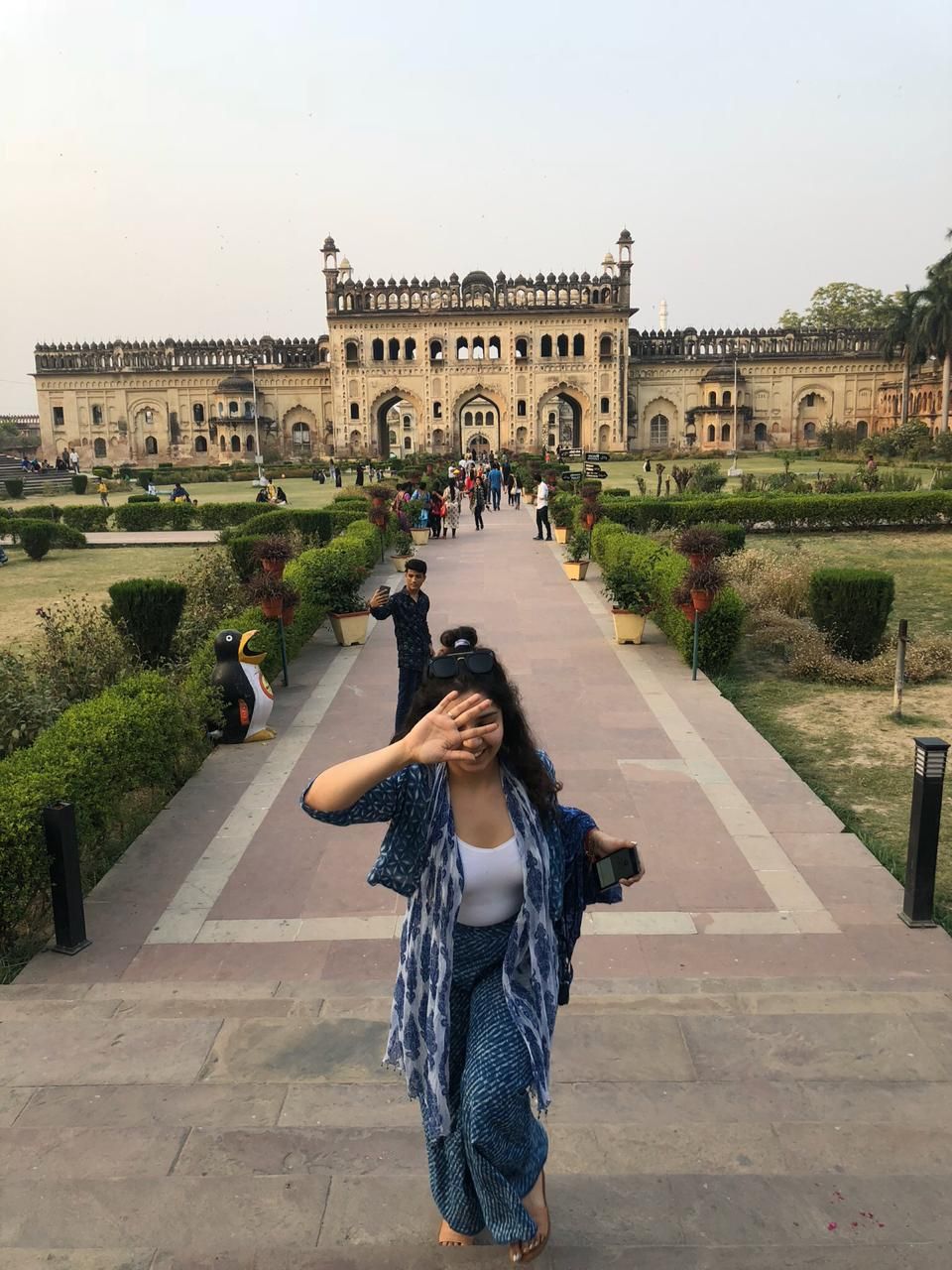
Astha Suri is the founder of Naso Profumi

To visiting friends and family, she plays a time-travelling local guide, slipping into the past via heritage buildings, fading signboards, and places like Sahu Cinema, the city’s first cinema hall, which continue to quietly exist. “Lucknow has never been good at marketing itself, which is why many still find it underrated. That’s also why I enjoy sharing my experiences—whether with friends, family or colleagues bringing work projects to the city. There’s always more to see if you know where to look,” says Suri, who comes from a long line of Lucknow-based perfumers.

Below, she maps the Lucknow she knows best—through places, rituals, and moments that have shaped her relationship with the city.

The best spot to hit your 10k goals

Start your day at Janeshwar Mishra Park. The walking trails and dense greenery bring instant clarity, and with a 10 km loop, two rounds easily add up to 20,000 steps even before the city fully wakes up.
The best sunset spots to slow down

There’s something grounding about ruins that have witnessed centuries pass. I often visit Bara Imambara or The Residency Lucknow, which are best experienced at sunset. Between 4 and 6 pm, the light softens the stone and sharpens the geometry. If you’re there early—around 6 am—the sunrise at Bara Imambara reveals extraordinary symmetry through its tiny openings, while The Residency carries a different emotional weight. The latter was built as the home of the British and was key to the 1857 uprising.

The Bhool Bhulaiya, tucked inside the Imambara, never stops fascinating me. Whenever I take friends or family, it becomes a game—who finds their way out first and who reaches the terrace fastest. But my favourite is the Shahi Baoli hidden away in a corner. It’s untouched and uncommercial. People still pause there—to read, snack and linger. It feels like history continuing, not curated.

The best place to score chikankari pieces and traditional juttis

Janpath Market is one of those places untouched by trend cycles, where you can find everything from chikankari to juttis, bangles, and more. Lucknow instinctively knows good chikankari, and I’ve learnt to trust those cues. I always turn the fabric over first—handcrafted pieces reveal their knots immediately. The karigari is maheen: detailed, intricate, and refined. Once you know what to look for, the difference between handwork and machine embroidery is unmistakable. I gravitate towards delicate craftsmanship, especially full jaal ka kaam, where the fabric is entirely embroidered, with no empty spaces—the most luxurious expression of chikan.

Chikan with mukaish is another favourite. The gold and silver threads add a quiet sparkle without overpowering the garment. That balance—subtle, restrained but unmistakably special—is what I always look for. At Janpath, my go-to for juttis is a third-generation store run by Sahil Abbas Khan. I’ve been visiting it for decades—first with my grandmother and mother, and now with my sister and friends. Some rituals don’t change; they’re simply passed on.

The one place to take fashion folks

Beyond the markets, Le Press is one of my favourite spaces in the city—a beautifully restored 150-year-old printing press that now houses thoughtful, craft-led brands. I love that it was revived rather than rebuilt, allowing history to frame contemporary design. This is where Naso has its space and where I spend time meeting people and observing how the city responds to something new.

The one shop where you’ll never know what you’ll find

South of Indus. It almost feels like a speakeasy—archival, unexpected, and deeply considered. You never quite know what you’ll find. It’s not about abundance but discovery—and that’s the most rewarding way to shop.

The best local designers to check out

Designers such as Vani Anand, Suhani Gurnani, Noorkari, Kri, Uma & Surendra, and Parul and Ashie stand at the forefront of chikankari and intricate handwork. Their creations honour Lucknow’s centuries-old embroidery traditions while reimagining them through modern silhouettes, nuanced palettes, and refined detailing. Each piece reflects patience, precision, and the quiet elegance that defines true Lucknow craftsmanship.

Spots to visit for a creative reset

Architecture plays a powerful role in Lucknow—the way light hits stone, the intelligence of symmetry, the stillness held within old spaces. The baoli at Bara Imambara is one such place where ideas surface without effort. Wandering through Kapoorthala Mandi, especially in winter, feels like a sensory reset. This is when the city feels most alive, overflowing with vegetables, fruits, and flowers.

I’d also recommend the fields of Malihabad, especially during summer and the monsoons. They draw people in for picnics and quiet moments, simply to watch the mangoes ripen. These cycles of nature—seasonal, patient, generous—shape how I see the world. Lucknow’s relationship with nature is instinctive, whether it’s winter gardens blooming with daisies, chrysanthemums, and lilies, or the city’s long-standing love for bonsais. I grew up among them and still live with them today.

A food experience that is beyond the guidebooks

Naimat Khana at Sanatkada is a deeply evocative culinary and cultural space celebrating the living traditions of Awadhi cuisine. The name comes from the traditional neemat khana—a wooden food cabinet once used in Awadhi homes to store food before refrigeration. It was a time when care, patience, and hospitality shaped everyday life.

Housed in an old bungalow in Qaiserbagh, Naimat Khana feels less like a restaurant and more like being welcomed into a traditional Lucknow home. As part of the larger Sanatkada initiative—a Lucknow-based non-profit preserving Awadh’s crafts and textiles by connecting artisans directly with consumers—the space blends food, culture, and storytelling seamlessly.

The menu features heirloom Awadhi recipes passed down generations—slow-cooked, delicately spiced, and rooted in technique rather than excess. Both vegetarian and non-vegetarian dishes are crafted with restraint, allowing the ingredients to speak for themselves. More than a place to eat, Naimat Khana offers a rare glimpse into old Lucknow, where cuisine and tehzeeb still quietly shape the experience.

A spot for a laid-back Lucknow lunch

Once you’ve had your fill of tunday kebabs and nihari, settle in for something a bit more relaxed. For me, it’s either Oudhyana at the Taj or a meal at home, followed by something delightfully ordinary—roasted bhutta by the road or a cup of Sharma chai. Evenings are best spent wandering without an agenda—exploring a monument or a bustling market—before settling into cafes like Sidewalk Bakehouse or Roastery Coffee House, which are known for their coffee.

A must-visit for the smoothie and salad crowd

Between golf at the Lucknow Golf Club or a game of pickleball at The Clarks, if you’re craving something light, I’d point you to Fresh Factory which has a menu full of fresh sandwiches and comforting curries. The drive back to my home from there is one to savour—past La Martiniere, the Golf Club, and Gomti Nagar Extension—as the sky softens and the city slows down.

A dinner spot to prebook

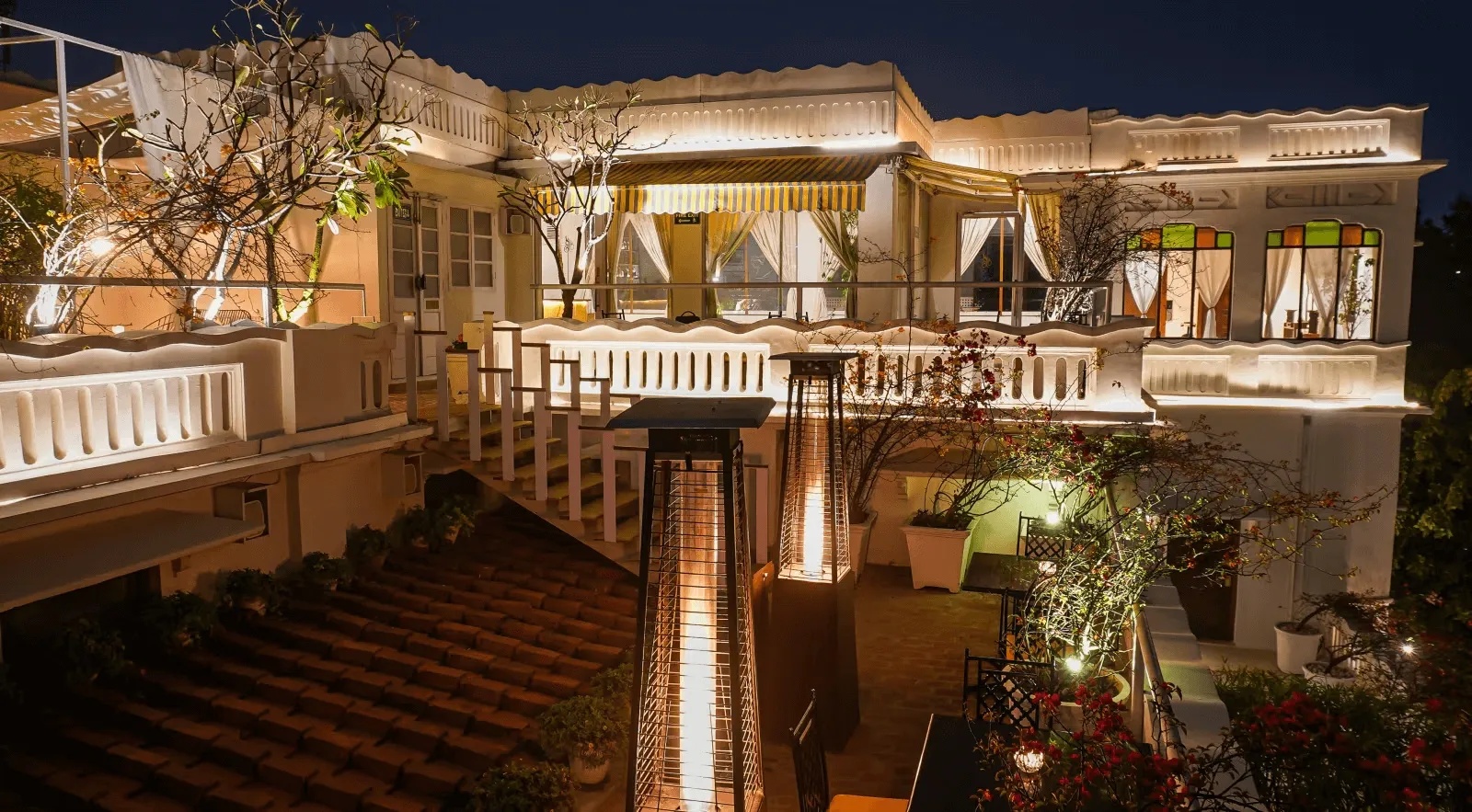
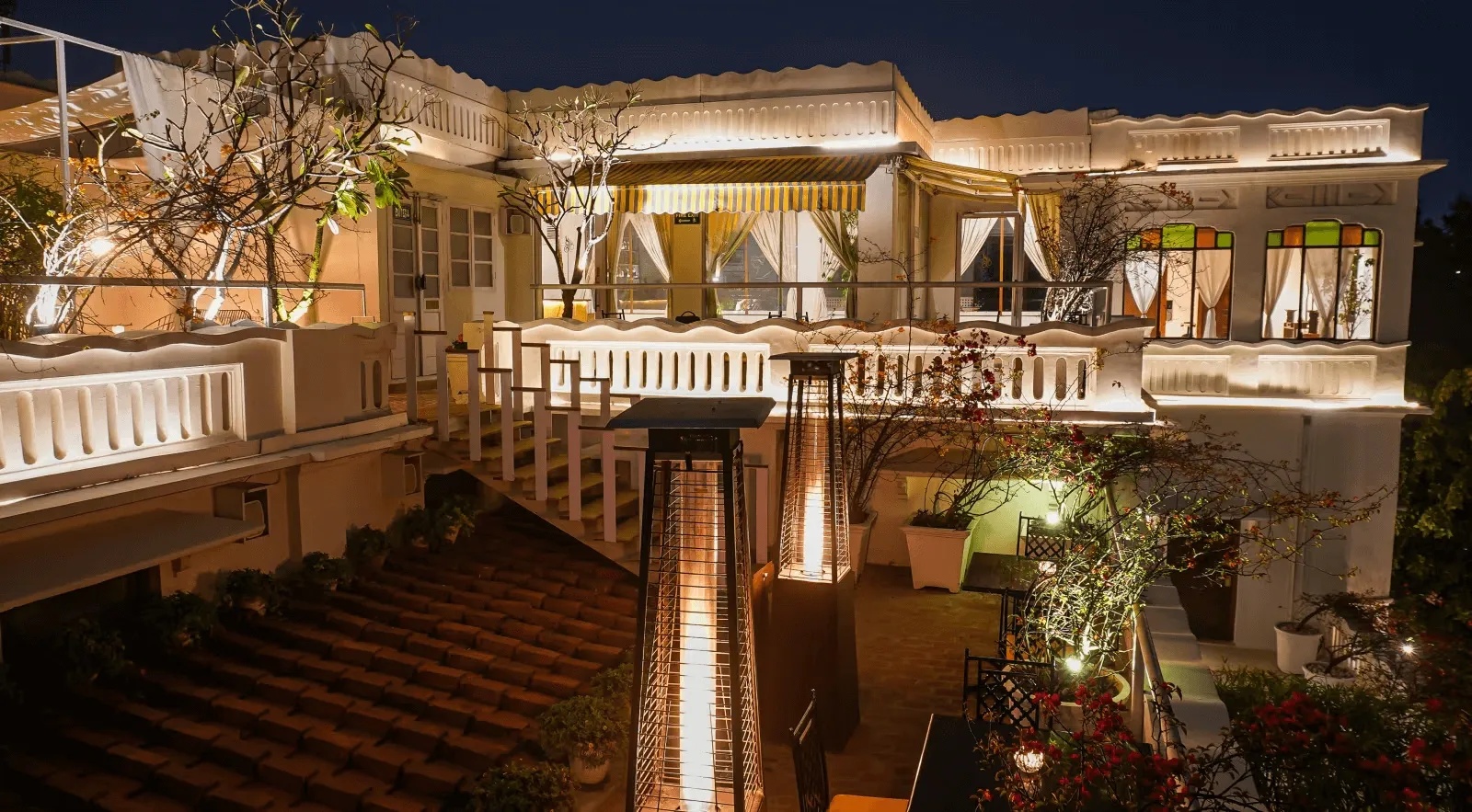
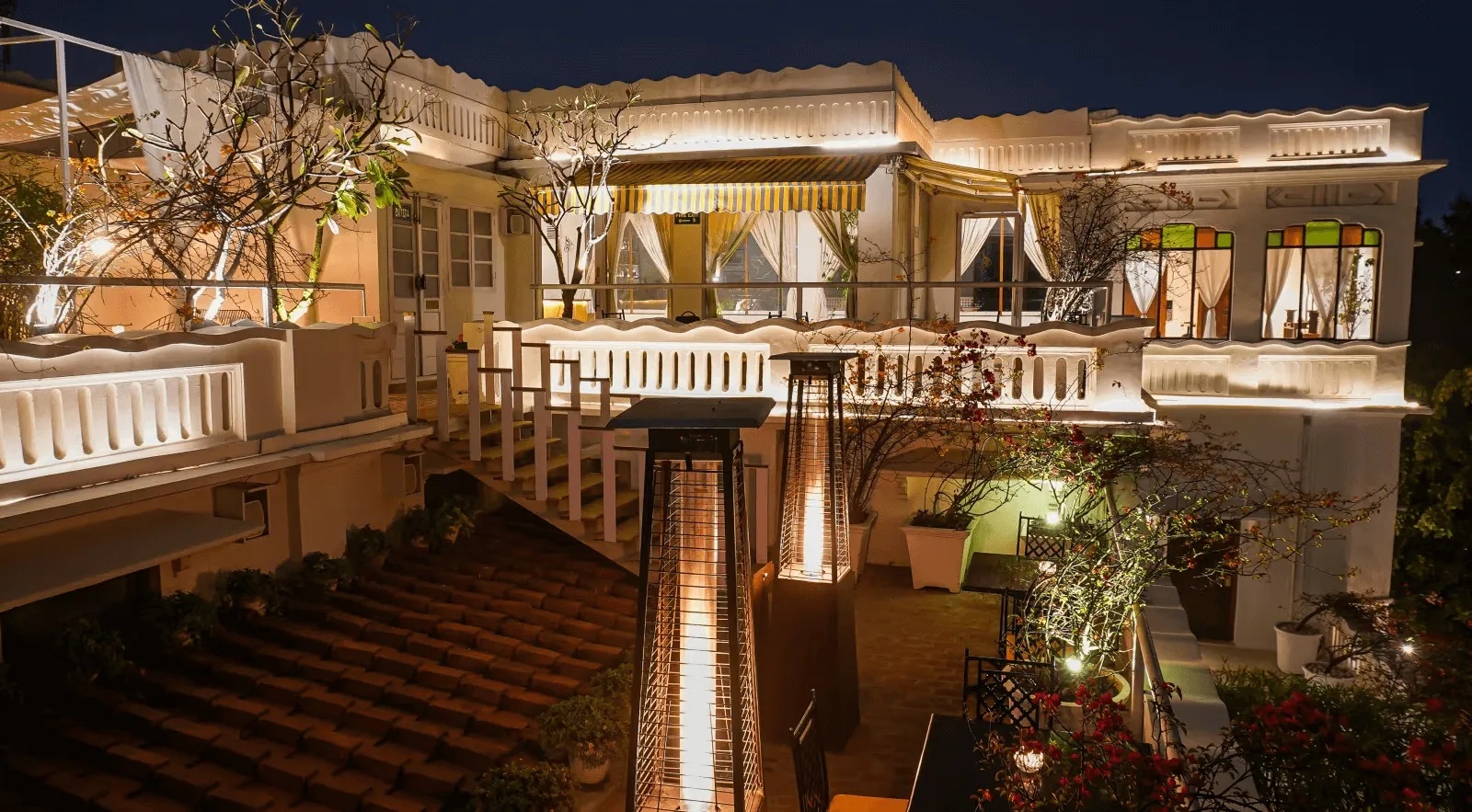
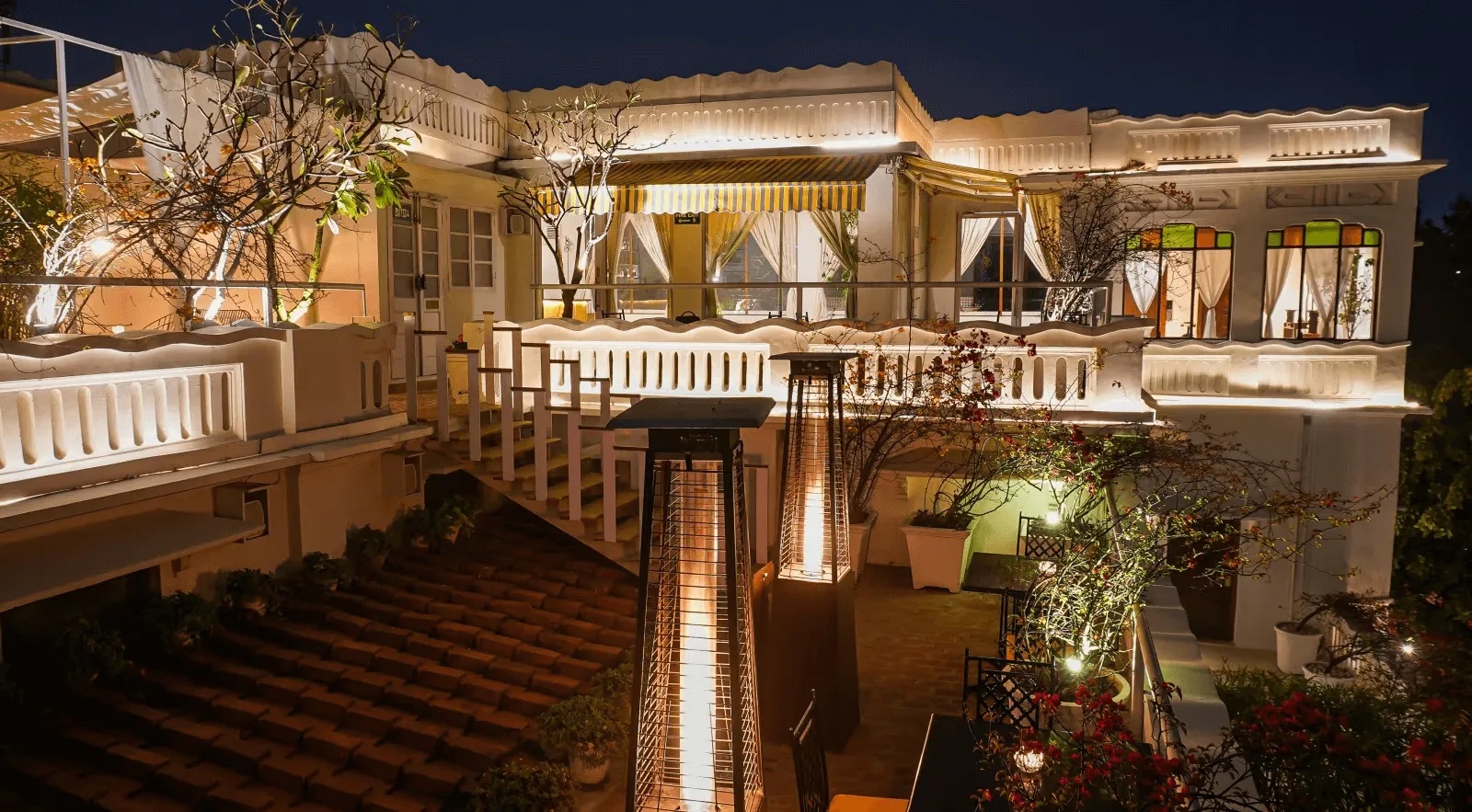
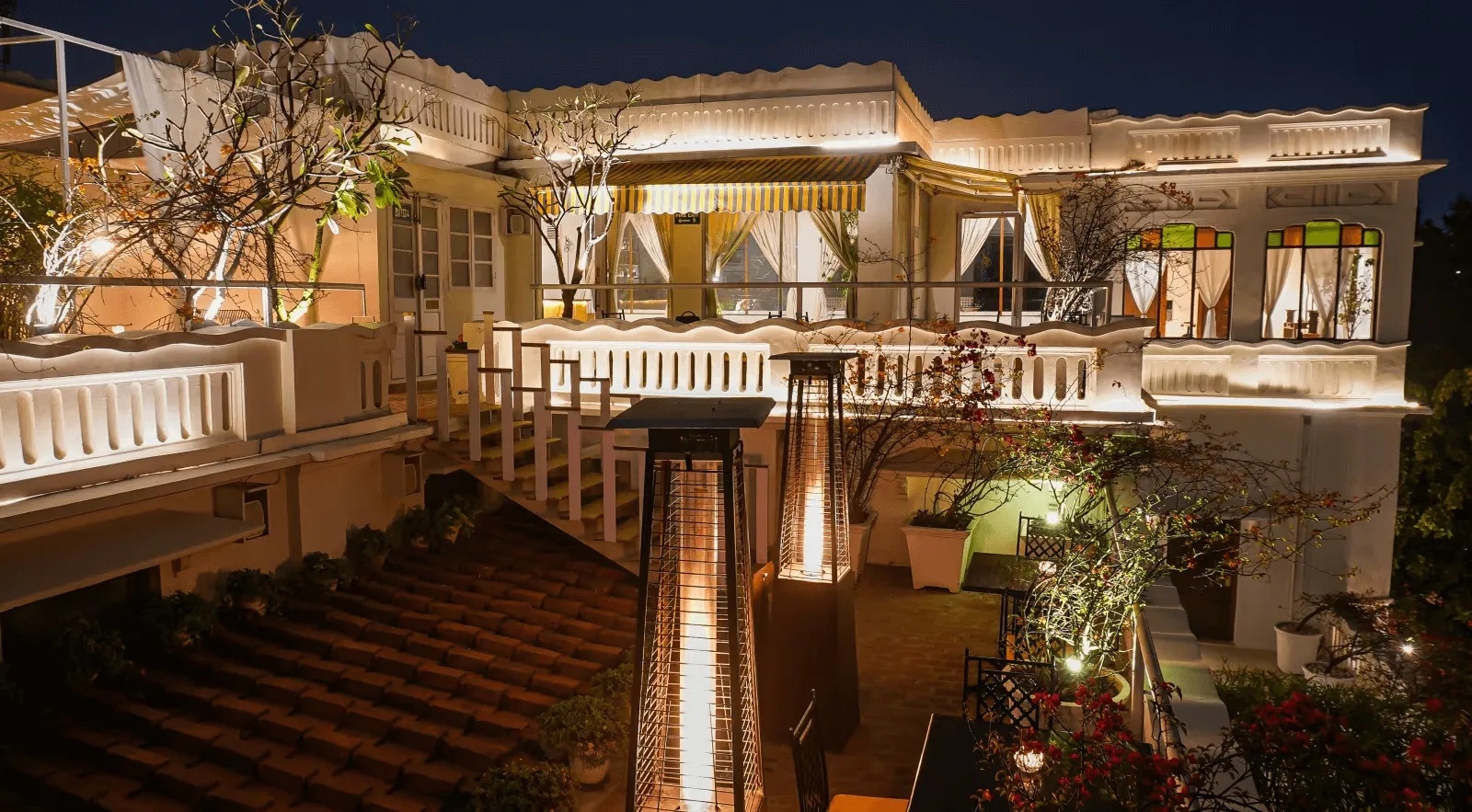
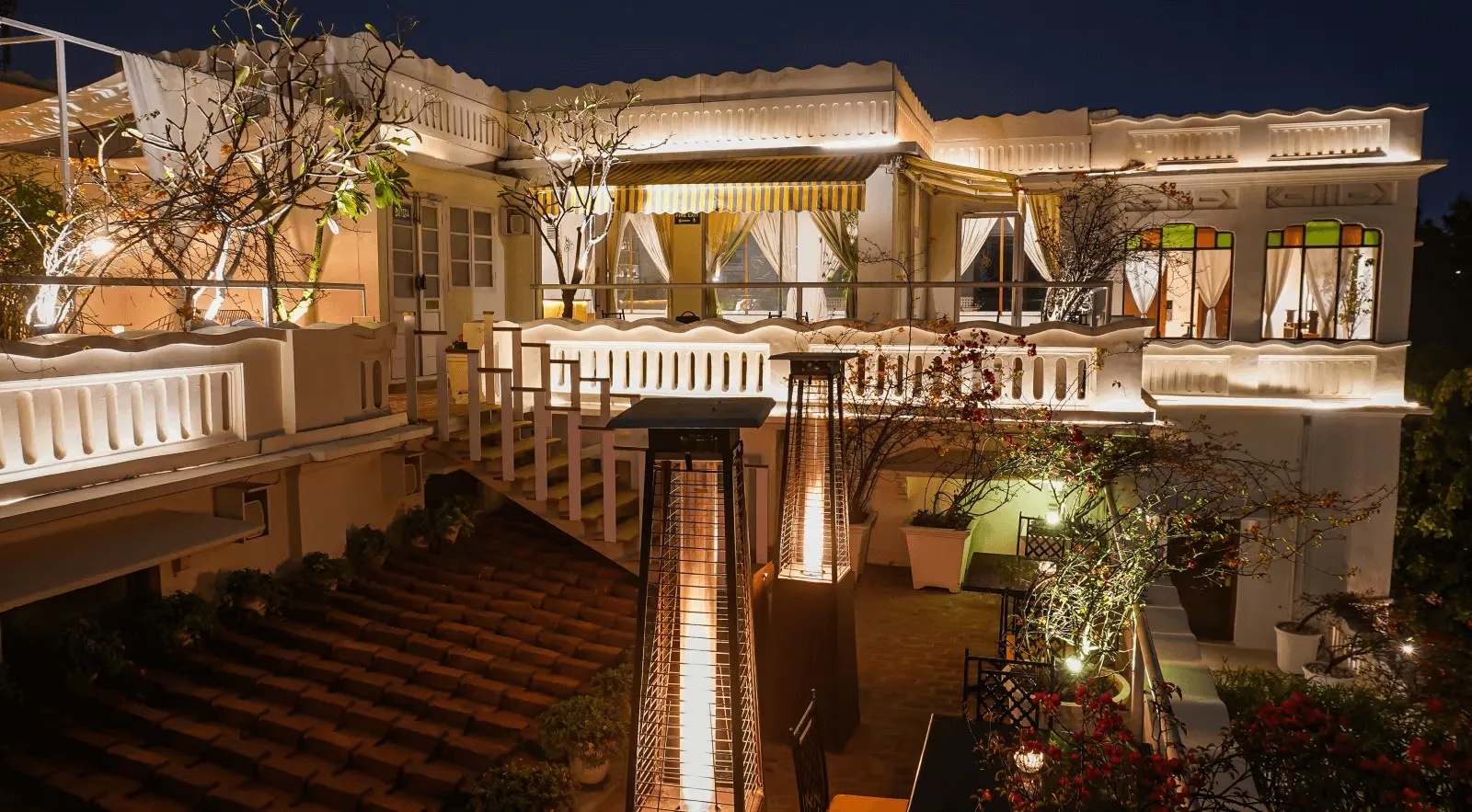
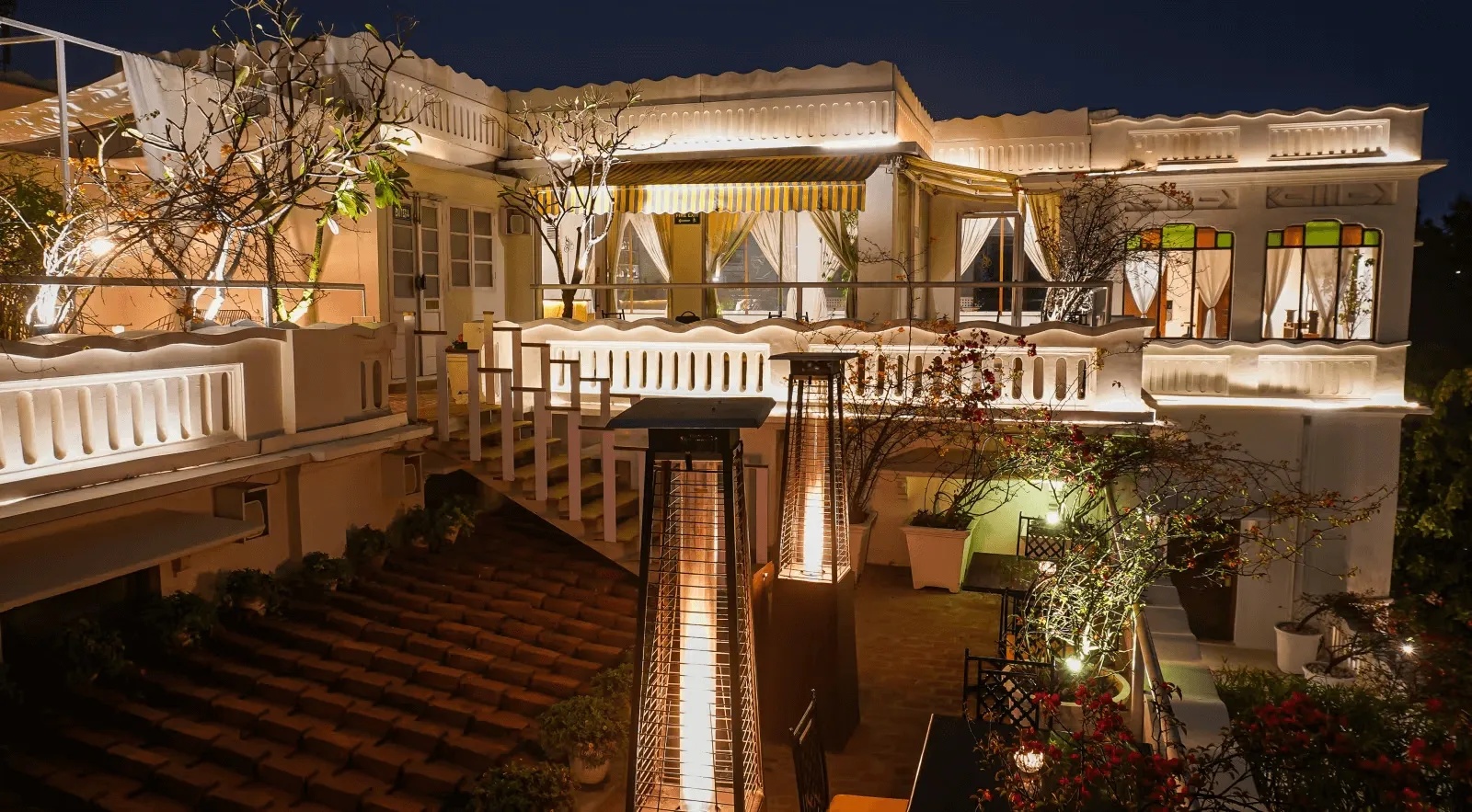
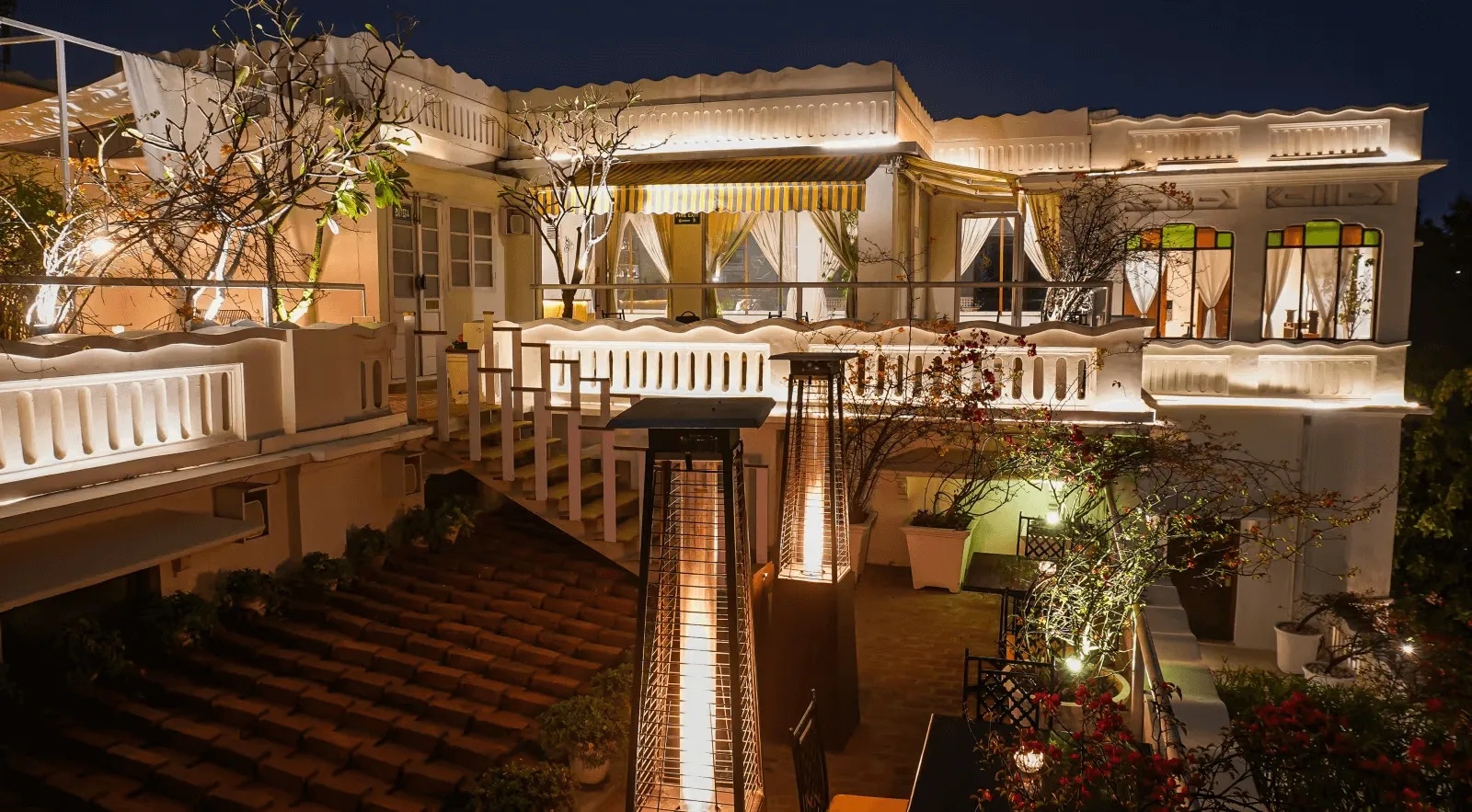
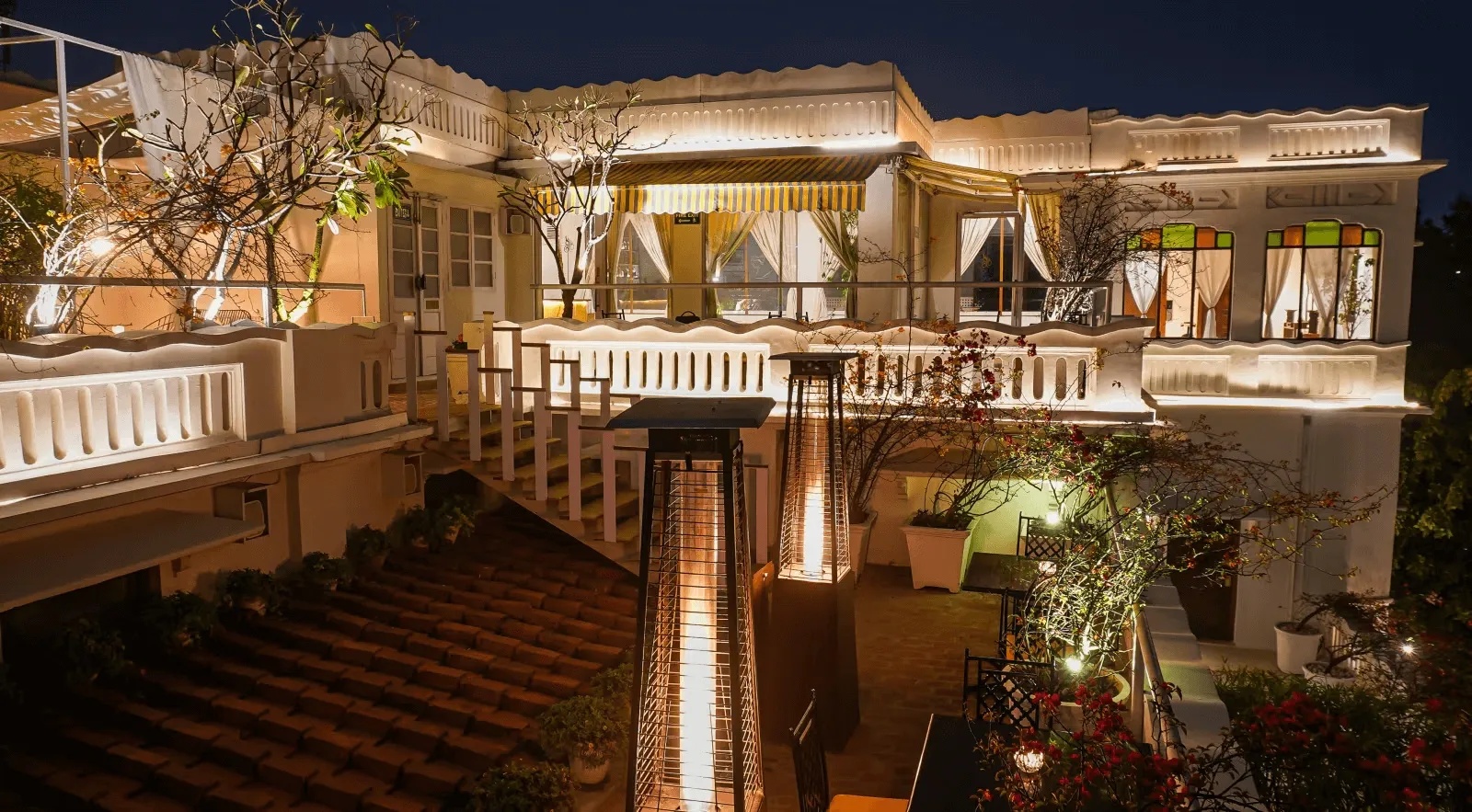
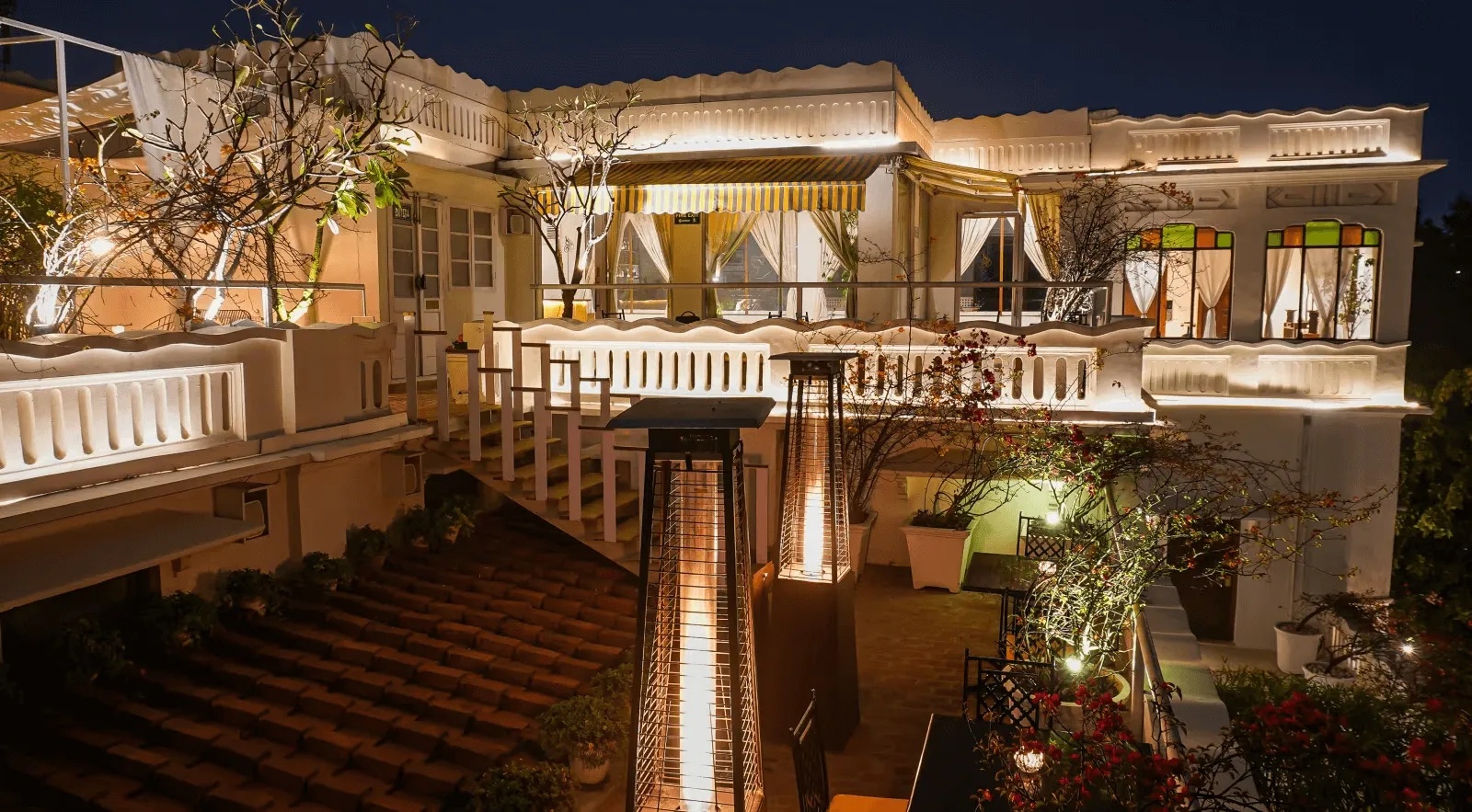
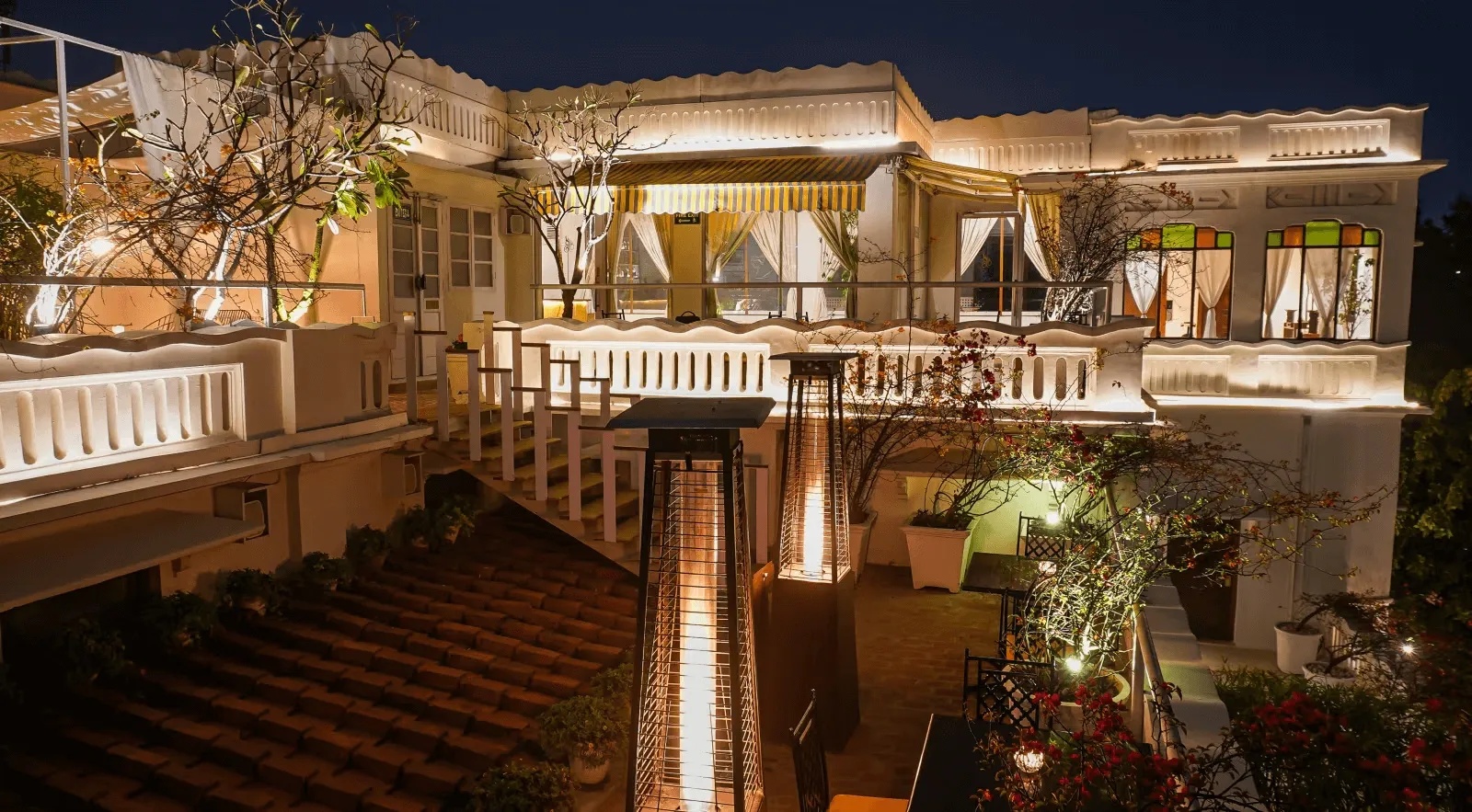
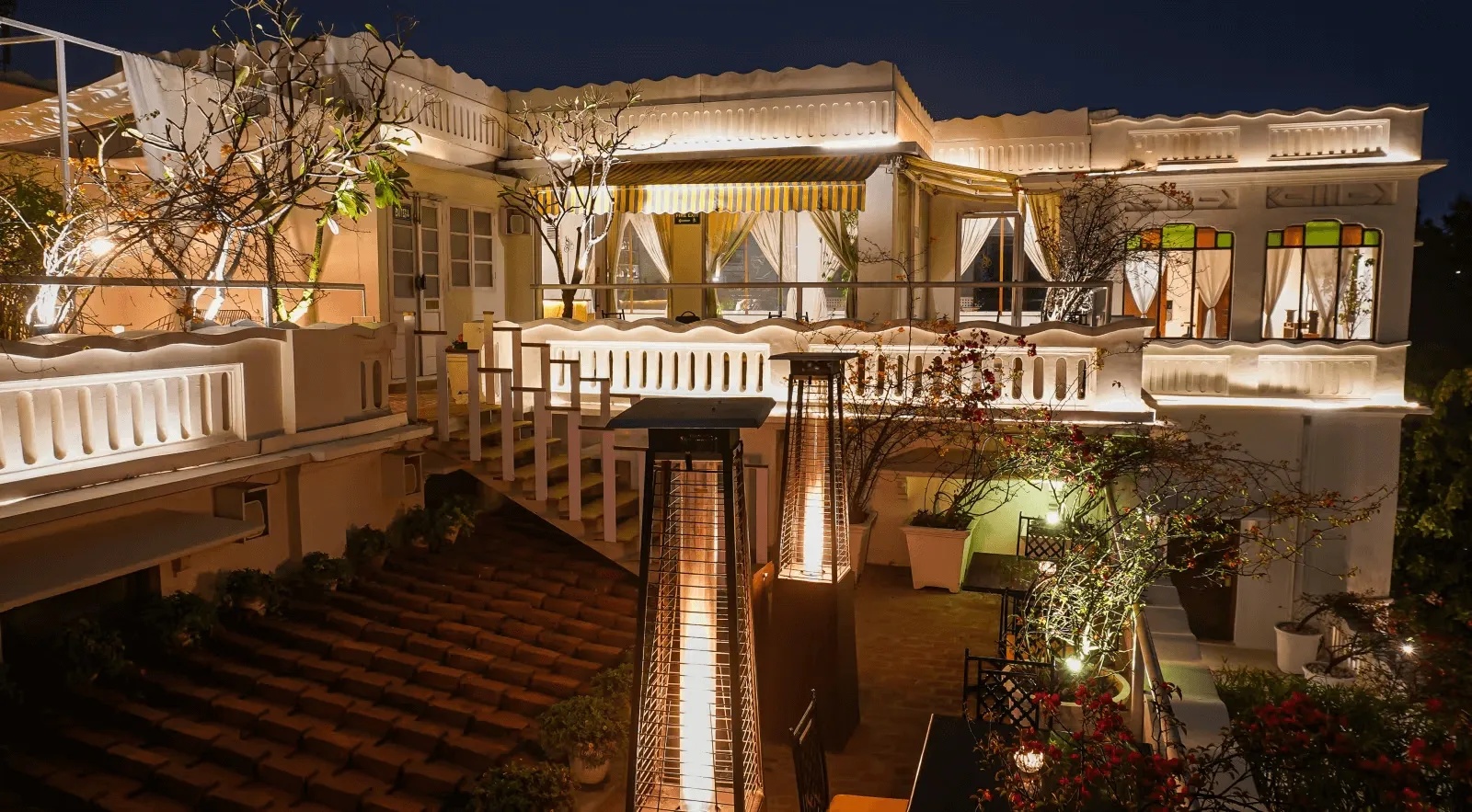
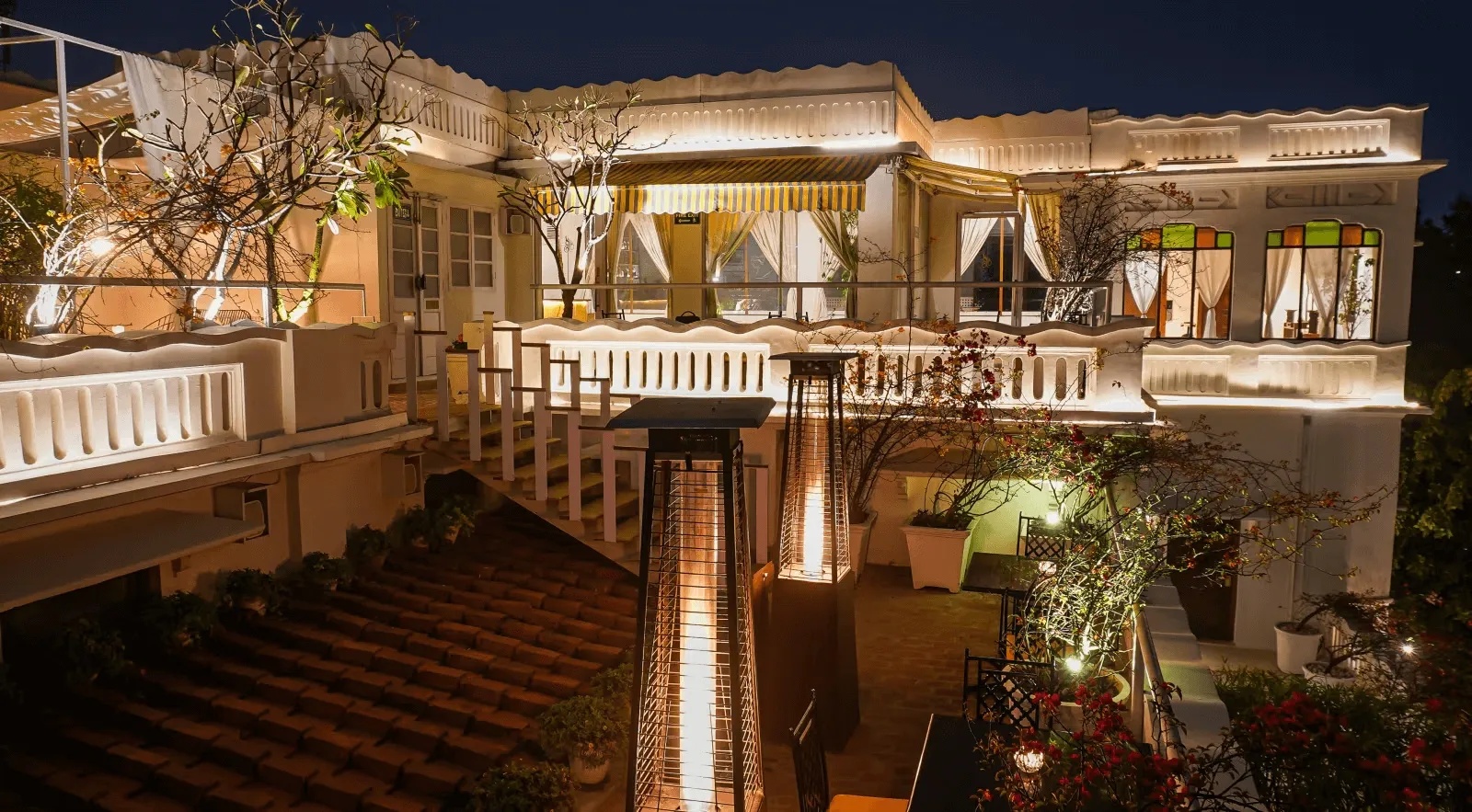
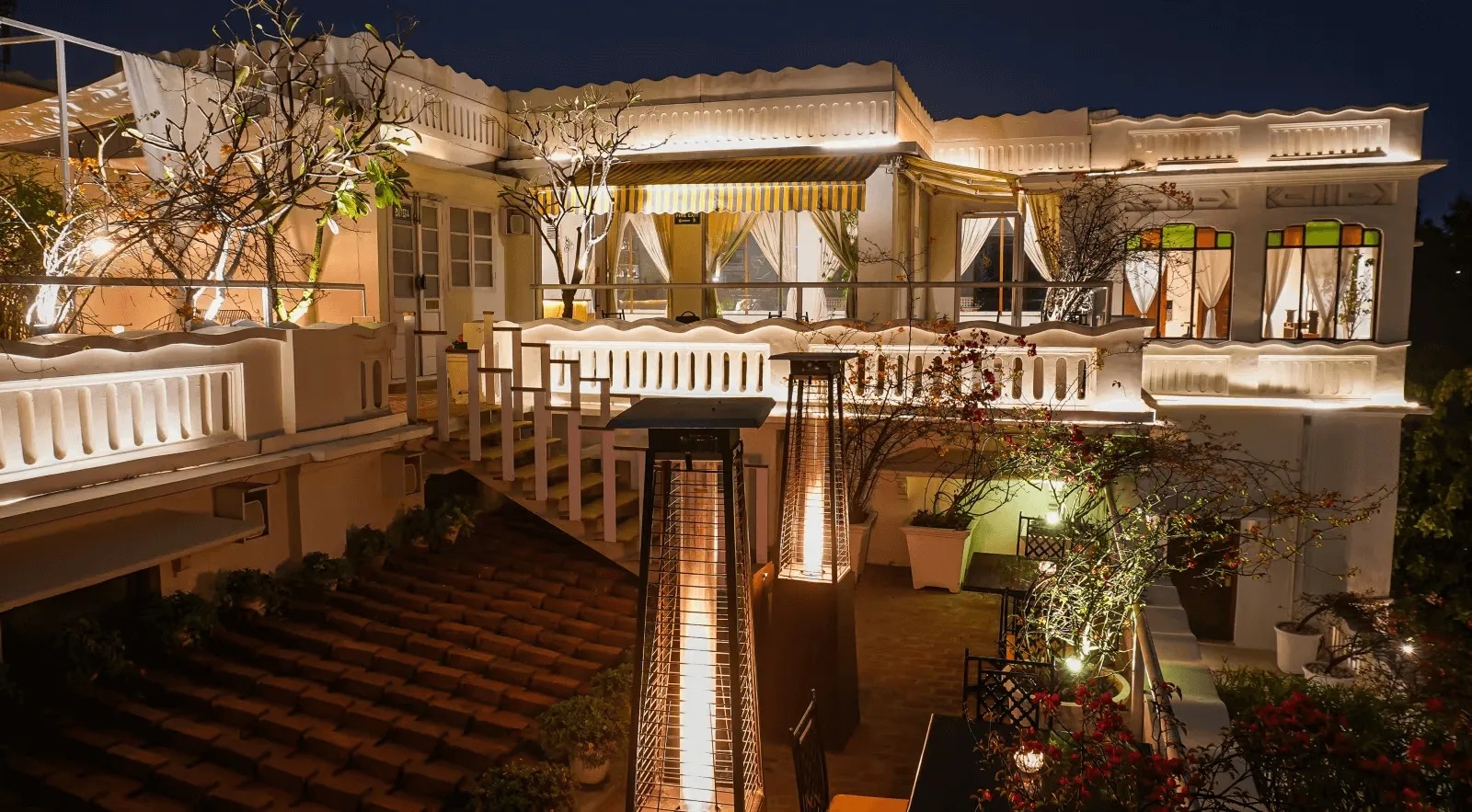
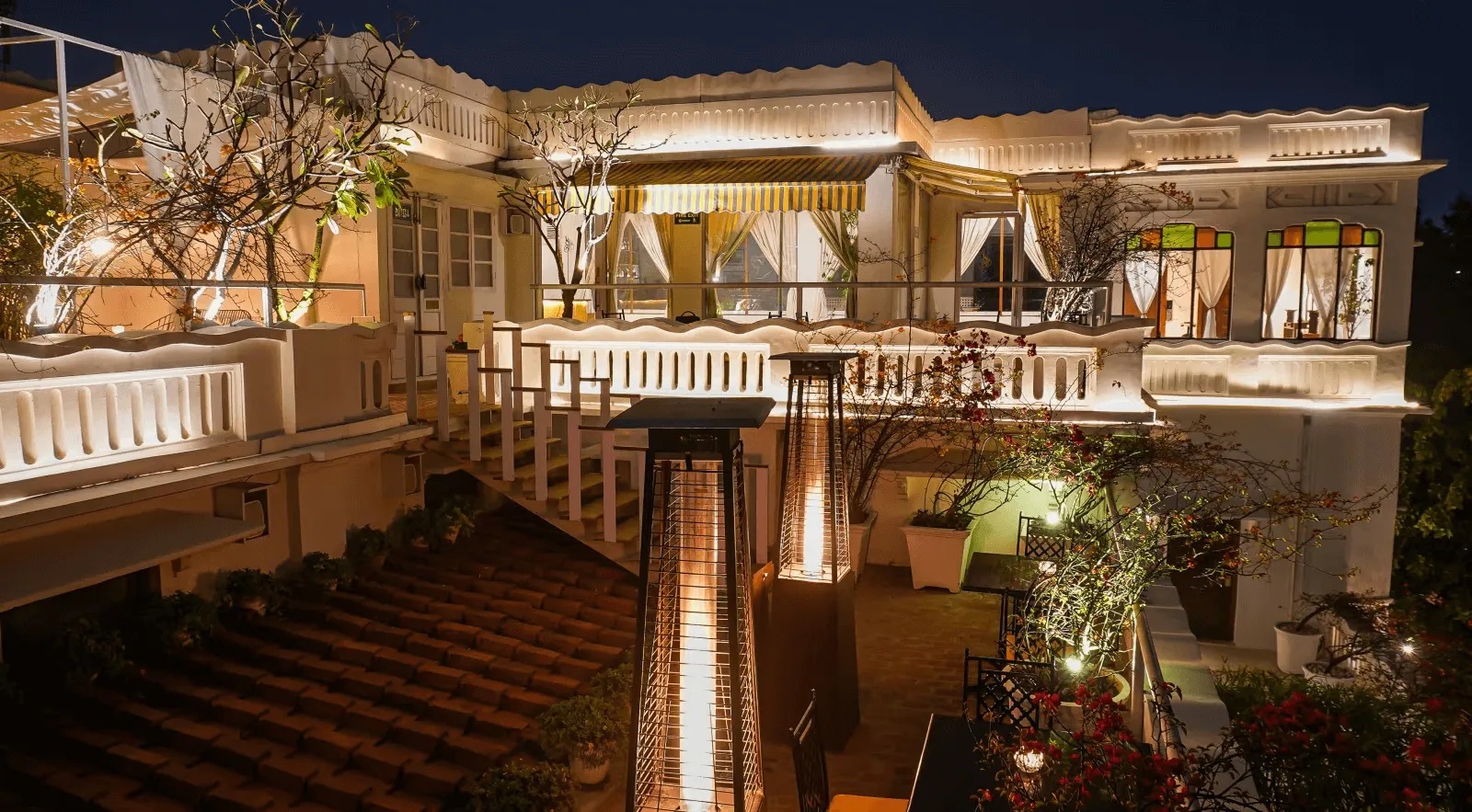
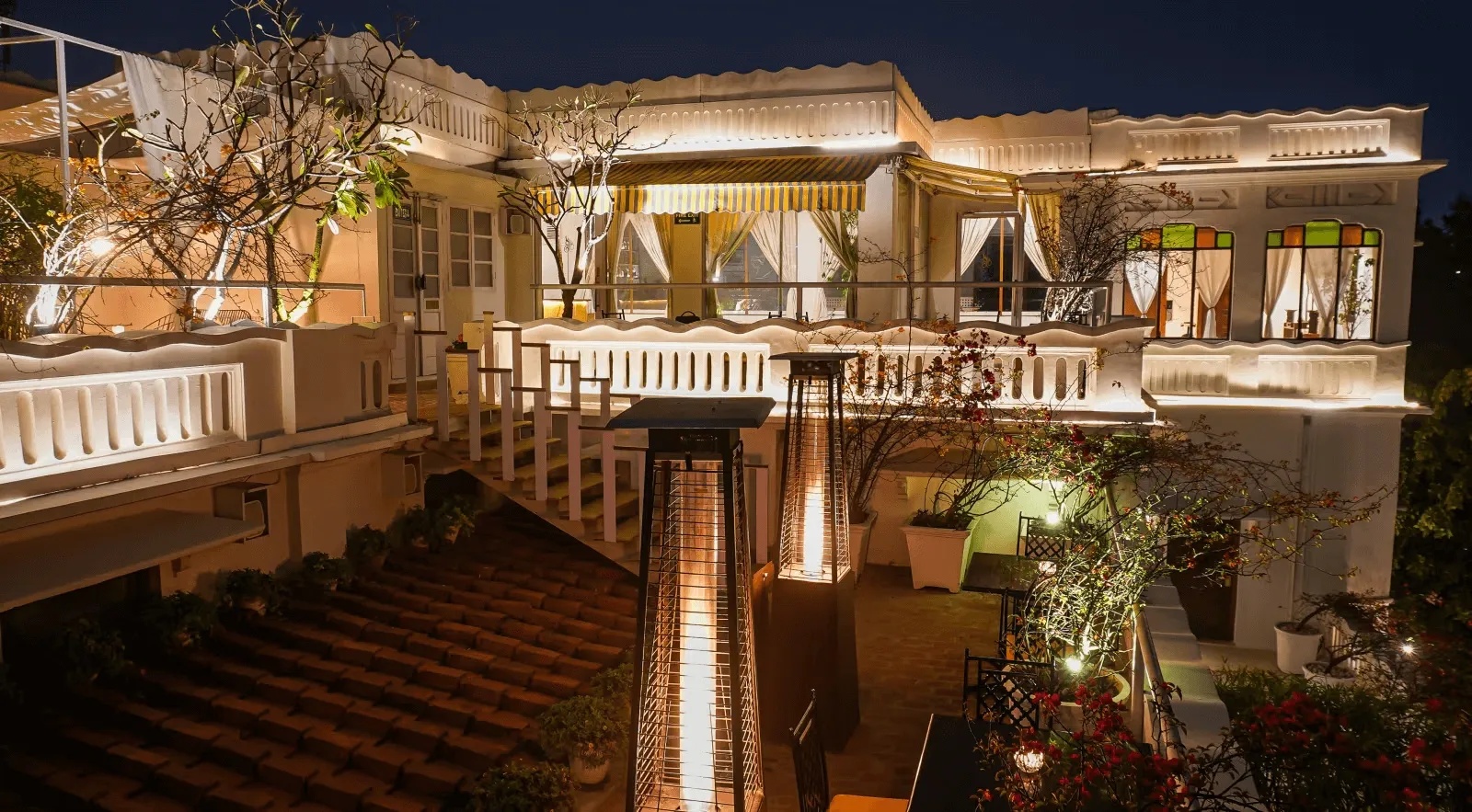
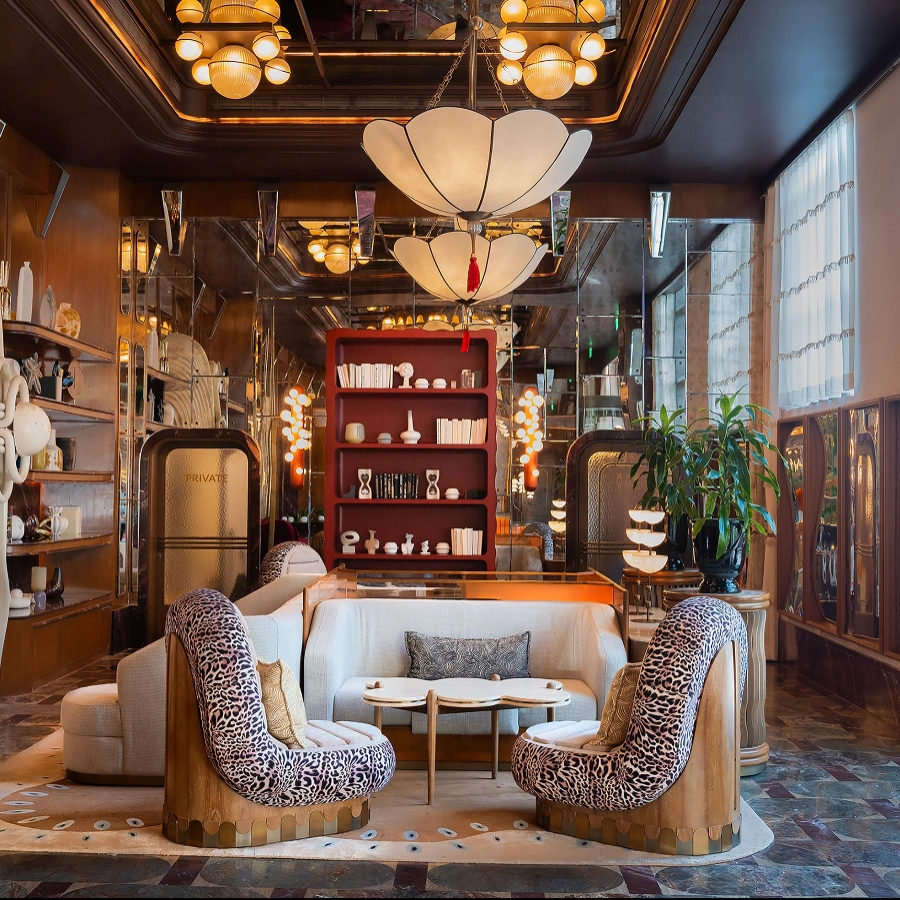
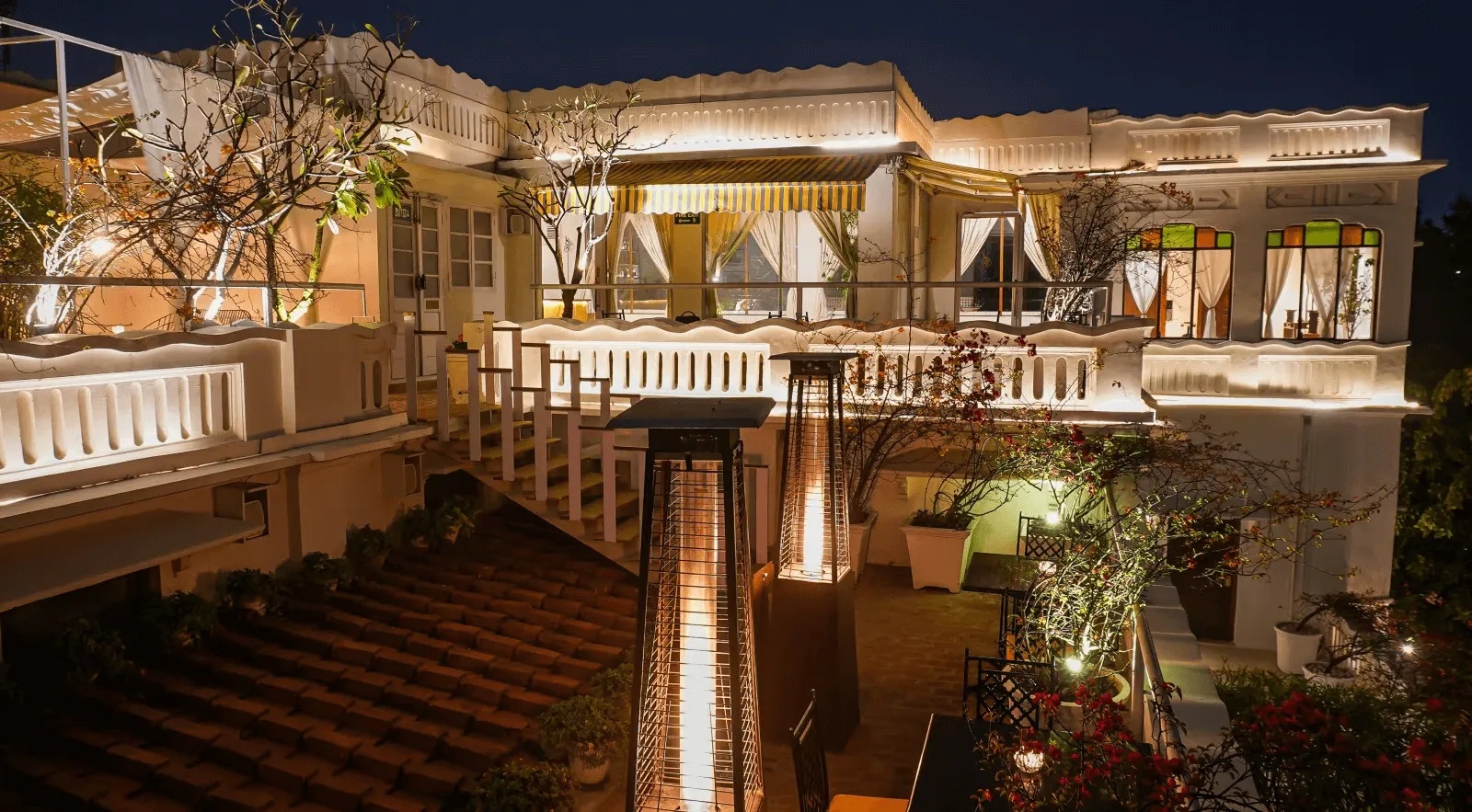
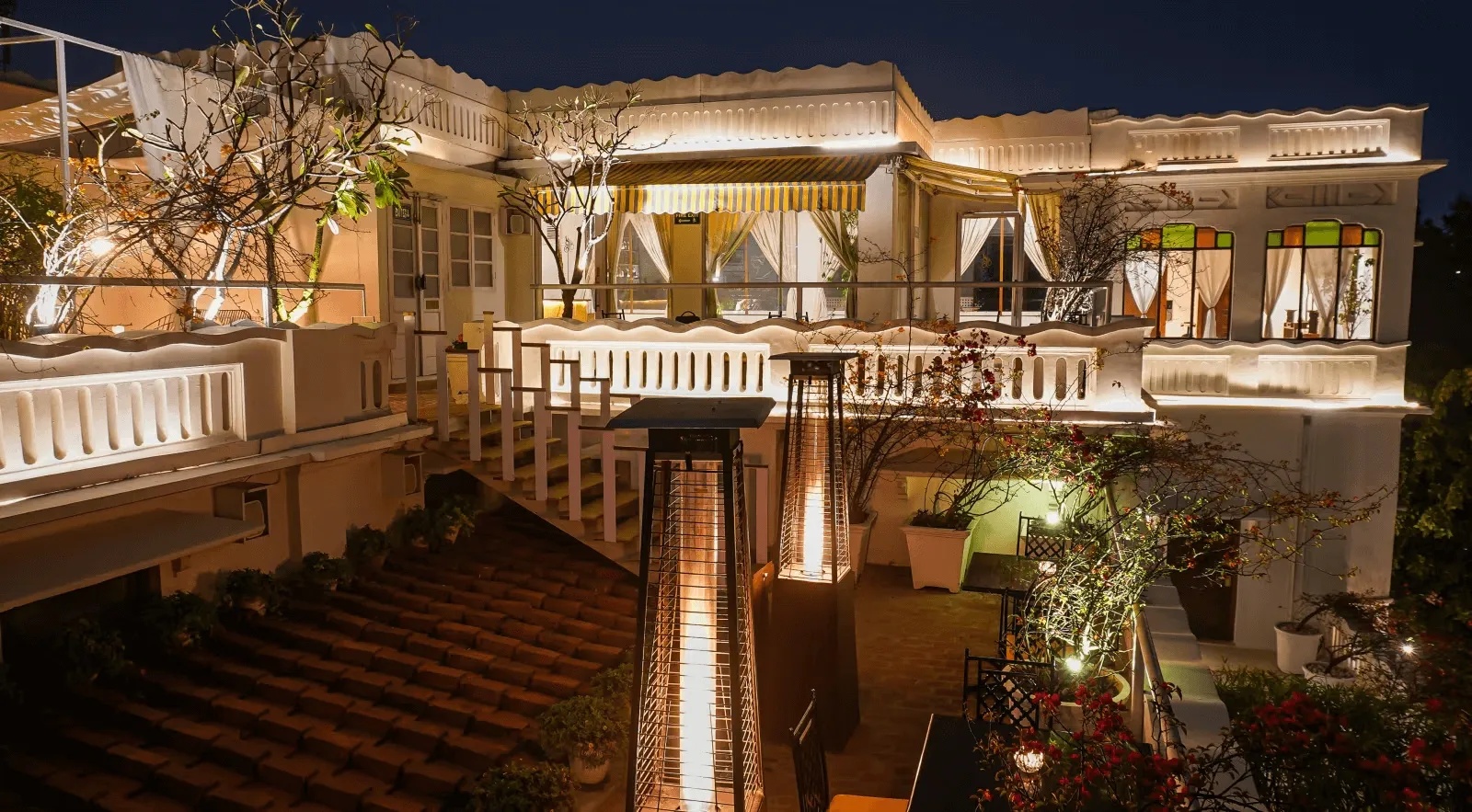
In Lucknow, dinner should never be an afterthought. I suggest indulging at Falaknuma at the Clarks for old-world Mughlai nostalgia, or choosing Lebua Azrak’s Saracca rooftop for its intimacy, live jazz, and gentle calm. And no dinner in Lucknow should end without paan—so get into the car for a final drive past Chaurasia or Agarwal Paan in Hazratganj before calling it a day.

The Nod Newsletter

We're making your inbox interesting. Enter your email to get our best reads and exclusive insights from our editors delivered directly to you.