Pressure cookers and no more dosas—how restaurants are dealing with the LPG crisis
By tweaking menus and switching to a hybrid kitchen setup, India’s biggest restaurateurs are trying to tide over the cooking fuel shortage caused by the West Asia crisis
If you open Swiggy or Zomato today, chances are your go-to restaurant may not have your favourite dishes on the list, especially if it’s fries, dosas or anything made in the wok. If dining in, servers may inform you of a new limited menu. (Of course, we’re assuming the restaurant is still operational.)
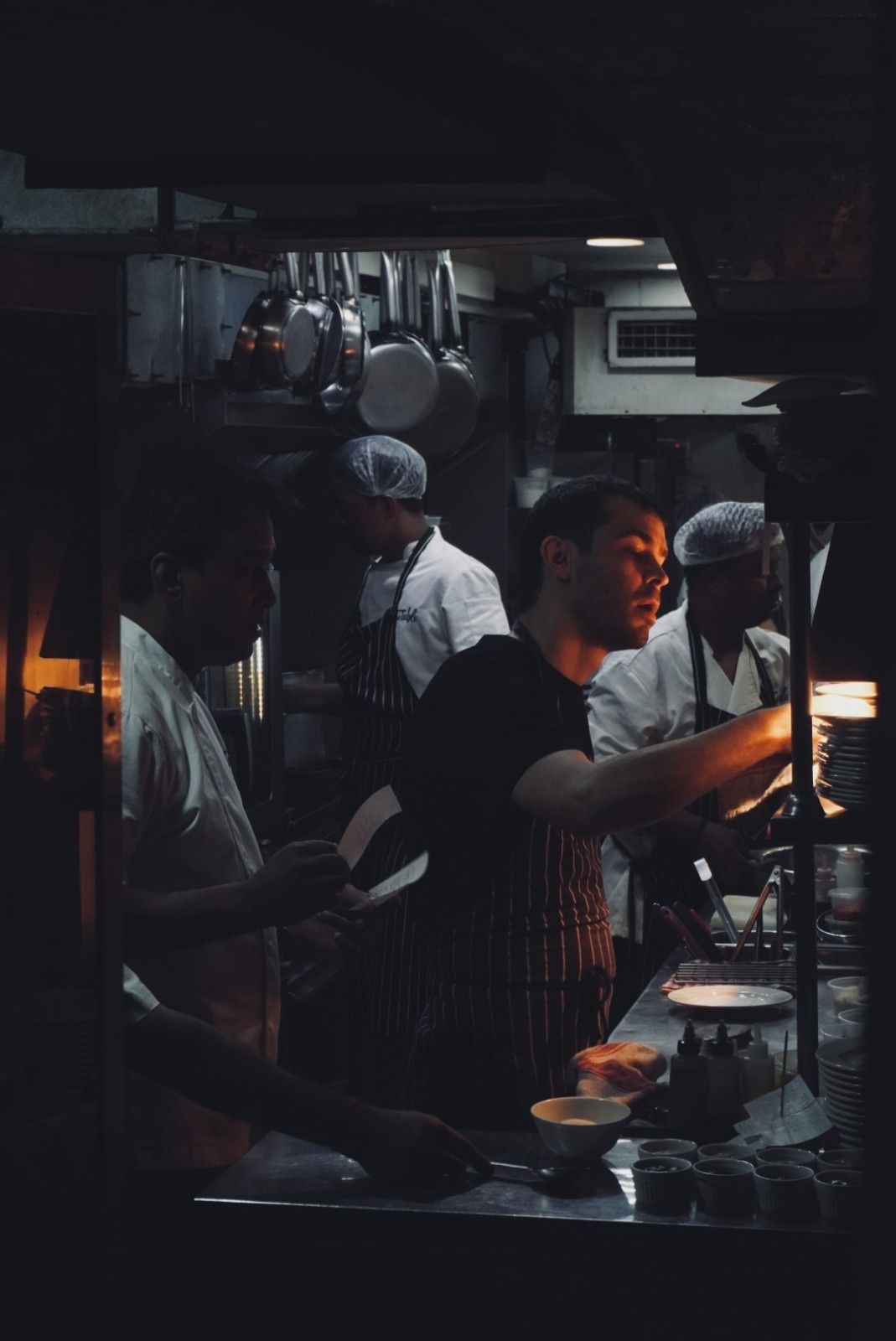
In several restaurants across the country, entire cooking stations have gone silent owing to the shortage of LPG cylinders caused by a disrupted supply of petroleum due to restricted movement across the Strait of Hormuz precipitated by the West Asia crisis.
Restaurants typically receive cooking gas through two channels: piped natural gas (PNG) and commercial LPG cylinders. With PNG coverage being limited to a few cities, most commercial kitchens largely operate on a just-in-time model where fuel arrives, is consumed quickly during service, and replenished cyclically. Thus, with the disruption in supply, the impact is almost immediate. In many cities such as Bengaluru and Pune, the first warning signs appeared late last week, while in Mumbai, Delhi and other cities, the impact is rapidly unfolding.
“Most restaurants do not maintain more than one or two days of LPG inventory. If the situation is not addressed promptly, it could lead to restaurant closures,” says Amit Bagga, co-founder of Daryaganj Restaurants and co-head of the Delhi chapter of the National Restaurant Association of India.
While a complete shutdown of the restaurant industry looms large, the severity varies at an individual and city level. “The shortage became noticeable around March 9, when scheduled LPG cylinder deliveries either arrived late or in smaller quantities than ordered,” says Rajan Sethi, managing director of Bright Hospitality, which currently operates 12 to 14 restaurants, bars and cafes across Delhi-NCR, Chandigarh, Kolkata, and Indore with brands like Ikk Panjab, OMO, AMPM Coffee & Cocktail Bar, Espressos Anyday, The GT Road, and the newly opened Top Banana.
The menus across their 14 kitchens range from 30 to over 100 dishes depending on the concept. On an average day, these kitchens collectively use between 18 and 22 commercial LPG cylinders. Currently, restaurants across Delhi are being told that they will be given cylinders on a rationing system—one cylinder for every cylinder emptied and returned. Sethi might just be able to make do with this arrangement, considering some of Bright Hospitality’s kitchens function on piped gas.
ADVERTISEMENT
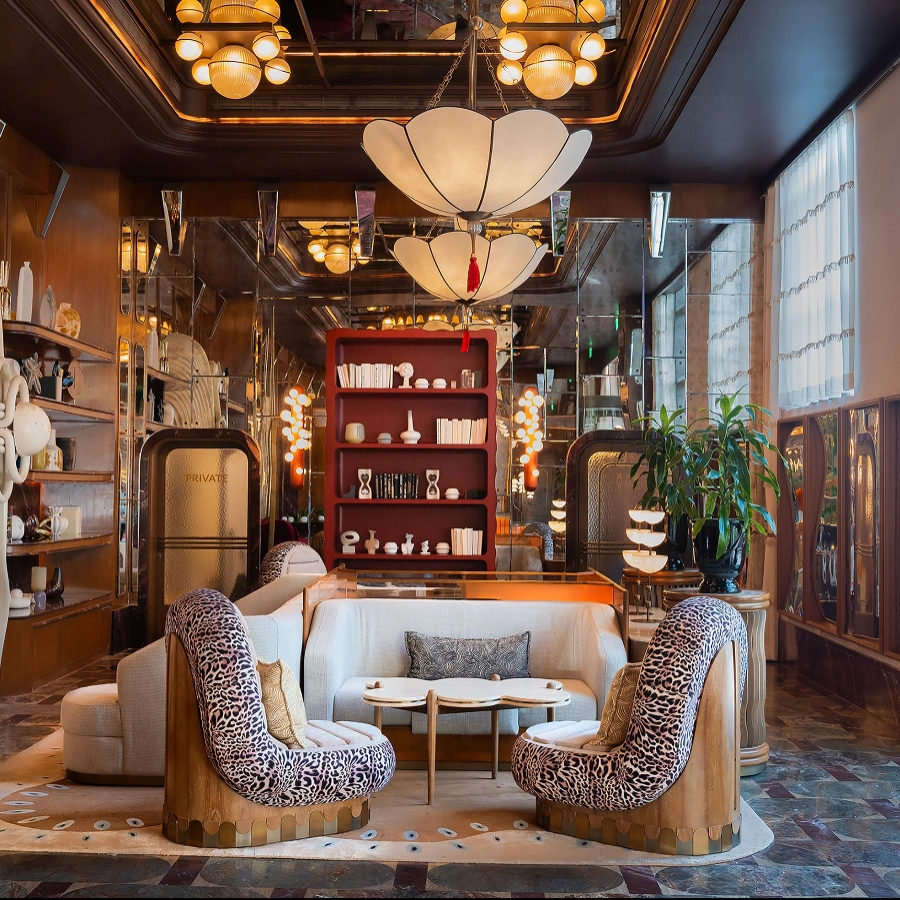
At Ikk Panjab, Rajan Sethi has cut back on gas-heavy dishes such as slow-cooked dals, gravies, and stocks
Sialkot masala raan served at Ikk Panjab
In Mumbai, Gauri Devidayal, founder, Food Matters Group, has a similar situation at hand. The group’s kitchens consume several cylinders a day across formats—three daily at The Table, two each at the Mag St. Kitchens in Colaba and Lower Parel, and additional supply across cloud kitchens such as Loud Mouth, Iktara and Mag St. Bread Co.
“The team started facing issues over the past weekend,” she says, “But yesterday [March 12] there was a complete shutdown of all LPG supply.” Food Matters Group’s regular cylinder order did not arrive at the restaurants, and the supplier has asked them to check for availability the next day.
Shifting gears
As an immediate response, kitchens quickly recalibrated. Dishes that require prolonged flame or extended simmering have been temporarily discontinued. Production schedules are being reorganised, ensuring efficient fuel usage throughout the day. Induction stoves have been installed to reduce the reliance on traditional fuel.
In some kitchens, this also meant rethinking menus. For Café Amudham, a quick-service restaurant brand with nine outlets in Bengaluru and three in Delhi, even short disruptions are difficult to absorb. Its operations across the two cities span four central kitchens supporting 12 outlets with live kitchen areas serving roughly 72 dishes across the network. In Bengaluru alone, the brand requires between 80 and 100 commercial LPG cylinders a day.
“We have temporarily reduced our menu to conserve fuel and have stopped serving idli, dosa, poori, vada, and parotta for now,” says Priyanka Rudrappa, co-founder and CEO, Café Amudham (Ambrosia Brands Private Limited).
The team has also shifted focus to produce dishes more efficiently. “Bisibele bath is currently being prepared using pressure cookers, which reduces LPG usage,” Rudrappa says. It is also leaning more heavily on its full-meals format, while some of its outlets are currently operating largely for beverages, with food prepared in the central kitchen and kept warm for service. Today, the brand is operating on the limited gas supplies coming from its vendors.
Similarly, Sethi has cut back on gas-heavy dishes such as slow-cooked dals, gravies, and stocks, and reorganised prep through batch and pressure cooking. The chain now leans more on electric ovens, combi ovens, and induction burners.
At Food Matters Group, induction stoves were installed across outlets as a contingency measure. Even so, some dishes remain difficult to replicate without gas. “Iktara has been hit the hardest and all tandoor items are unavailable for now,” Devidayal says, noting that high-flame wok cooking has also been affected in some kitchens.
At Food Matters Group, induction stoves were installed across outlets as a contingency measure
However, not every kitchen has been equally affected.
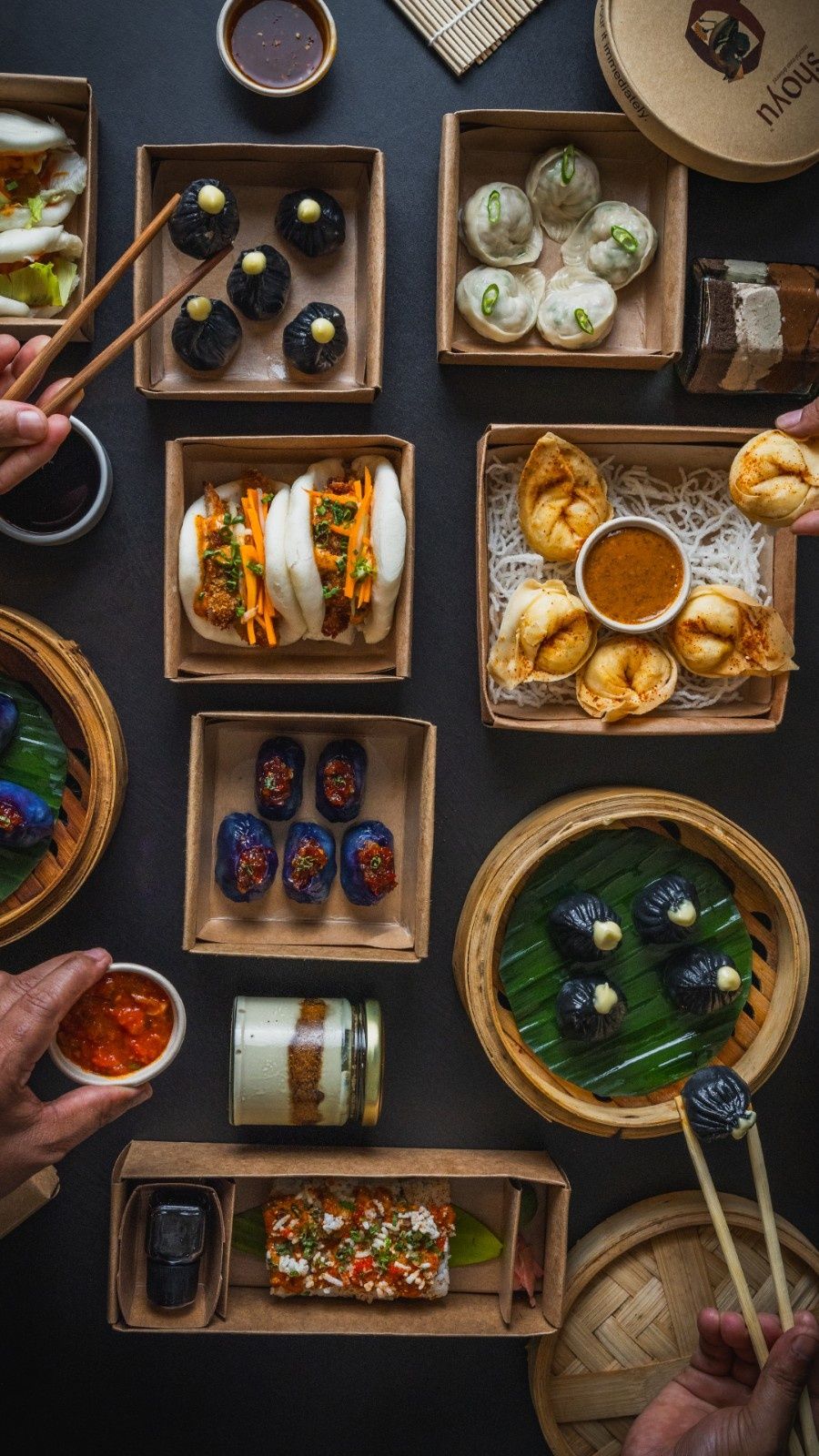
For Shoyu, a premium Pan-Asian cloud kitchen operating out of Bengaluru’s HSR Layout and Indiranagar neighbourhoods, the structure of the cuisine itself has offered unexpected flexibility. The kitchen runs a menu of roughly 140 dishes but typically consumes around 10 commercial cylinders a week, far lower than most traditional restaurant formats.
“A significant portion of our menu, comprising cold preparations like sushi and salads and steamed dishes like dim sum, either don’t require gas-intensive cooking or can be adapted to induction,” says co-founder Varun Tripuraneni.
When early signals of supply disruption emerged, the Shoyu kitchen incorporated induction cooking stations for tasks that traditionally rely on LPG equipment, including wok cooking. Shoyu’s operations also benefit from an unusual precedent. The brand runs a dine-in outlet at Hyderabad’s Rajiv Gandhi International Airport, where open flames and LPG are not permitted for security reasons. “We’ve already mastered techniques that allow us to maintain the same quality without LPG,” Tripuraneni says. “That’s a huge advantage in uncertain times like this.”
The question of viability
“While things are manageable in the short term, restaurants aren’t designed to run on uncertainty around core utilities like fuel. Batch cooking, pressure cooking and more structured preparation cycles are short-term survival strategies. Electric ovens, combi ovens and induction burners, often installed as supplementary equipment, are now carrying a larger share of the load,” says Sethi. If disruptions continue, he believes the effects will gradually result in menus shrinking further and service slowing during peak hours.
Practically, it could translate into a 10 to 15 per cent drop in kitchen throughput, particularly during busy service periods.
The current crisis has also exposed a deeper structural issue. Indian restaurant kitchens remain overwhelmingly dependent on LPG, particularly for high-flame cooking and dishes that require long simmering times. For many restaurants, the current shortage has become a reminder of how little redundancy exists within that system.
“The conversation around energy diversification in restaurant kitchens was long needed, and now is the time,” Tripuraneni says. “Every difficult period carries the seeds of positive change. Kitchens will begin investing in systems that make them more resilient and less dependent on a single fuel source.”
At Shoyu, the cuisine offers flexibility with less reliance on gas-intensive cooking
For restaurants built around traditional Indian cooking formats, however, the transition may not be as straightforward.
“This crisis highlights how structurally dependent Indian restaurant kitchens are on LPG,” says Rudrappa. While businesses will inevitably begin exploring alternative systems, she notes that certain dishes and techniques are difficult to replicate without gas. “It’s an important moment for the industry to think about more sustainable and diversified cooking systems,” she adds, “but consistency and food quality will always remain the priority.”
That sentiment is echoed by Sethi, who agrees that many restaurants may begin investing more in hybrid kitchen infrastructure, not to replace LPG entirely but to reduce the operational risk of depending on a single fuel source.
What restaurateurs need is clarity and consistency in supply. They fear that as the supply becomes scarce, black-marketing attempts may rise, though it’s something they want to stay away from. Transparent allocation of commercial cylinders and clear communication around delivery schedules will thus prevent panic buying and hoarding.
The restaurateurs also emphasise the need for faster expansion of piped natural gas networks, along with policy support that makes alternative cooking systems like induction and electric infrastructure more accessible for smaller restaurants.
For now, your dosas will have to wait.
ADVERTISEMENT
The Nod Newsletter
We're making your inbox interesting. Enter your email to get our best reads and exclusive insights from our editors delivered directly to you.