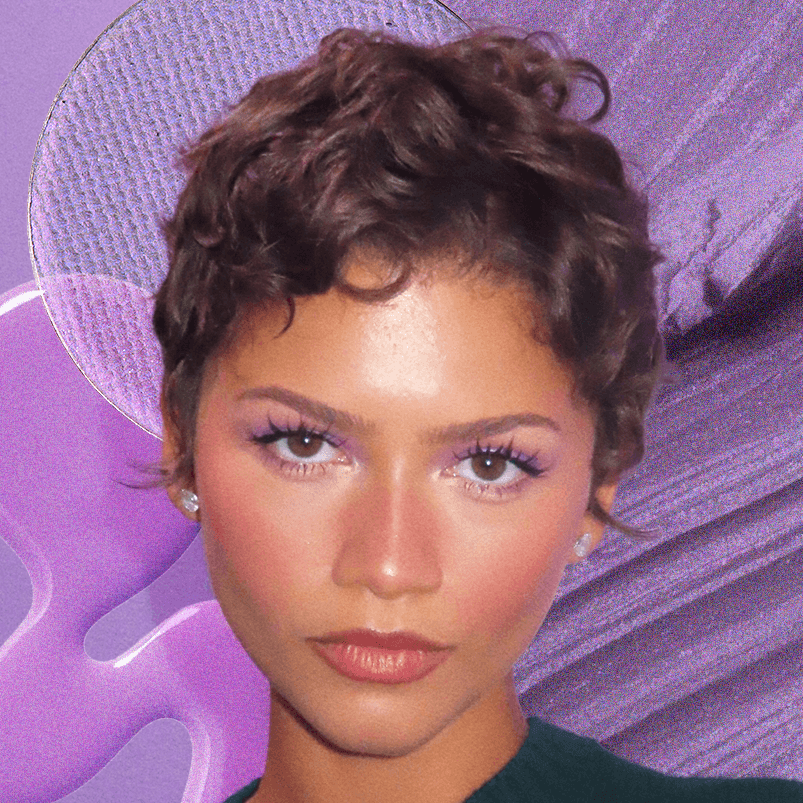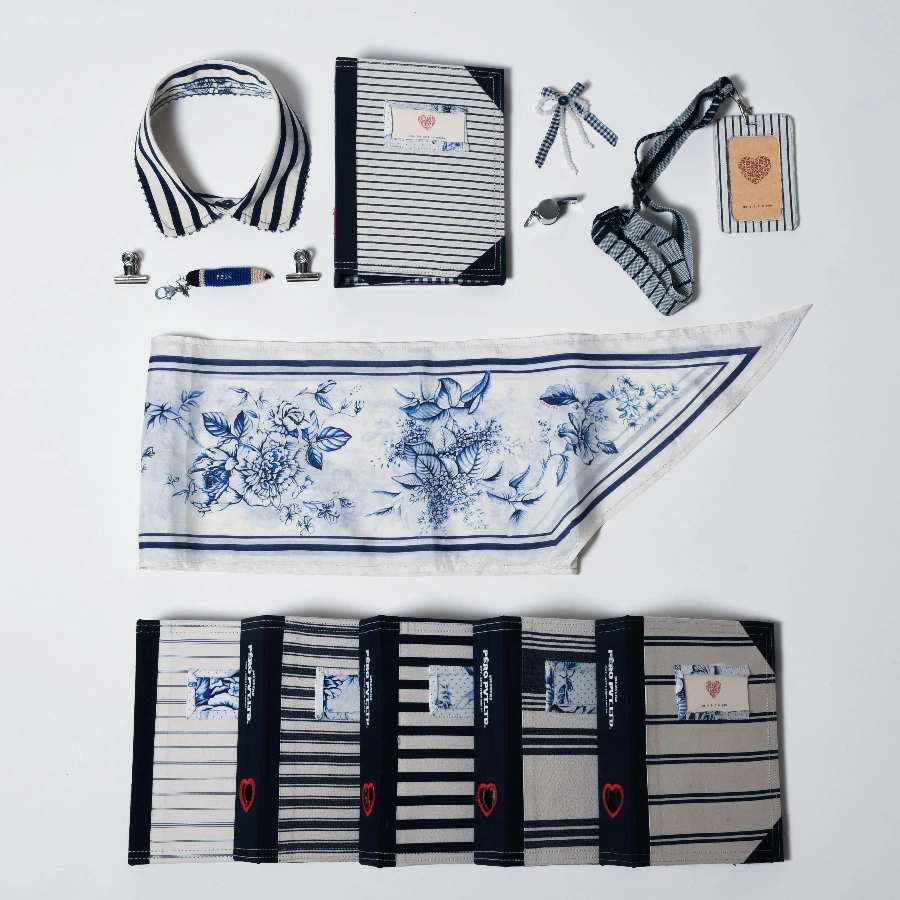






A few weeks ago, I received a link to a wedding website for the nuptials of one Emma Hardwood and Charlie Thompson. It had all the hallmarks of a digital wedding RSVP portal of a couple in love—engagement photographs, ceremony logistics, even a Boston travel guide. Cute. Of course, I agreed to be my friend’s plus-one to the event.
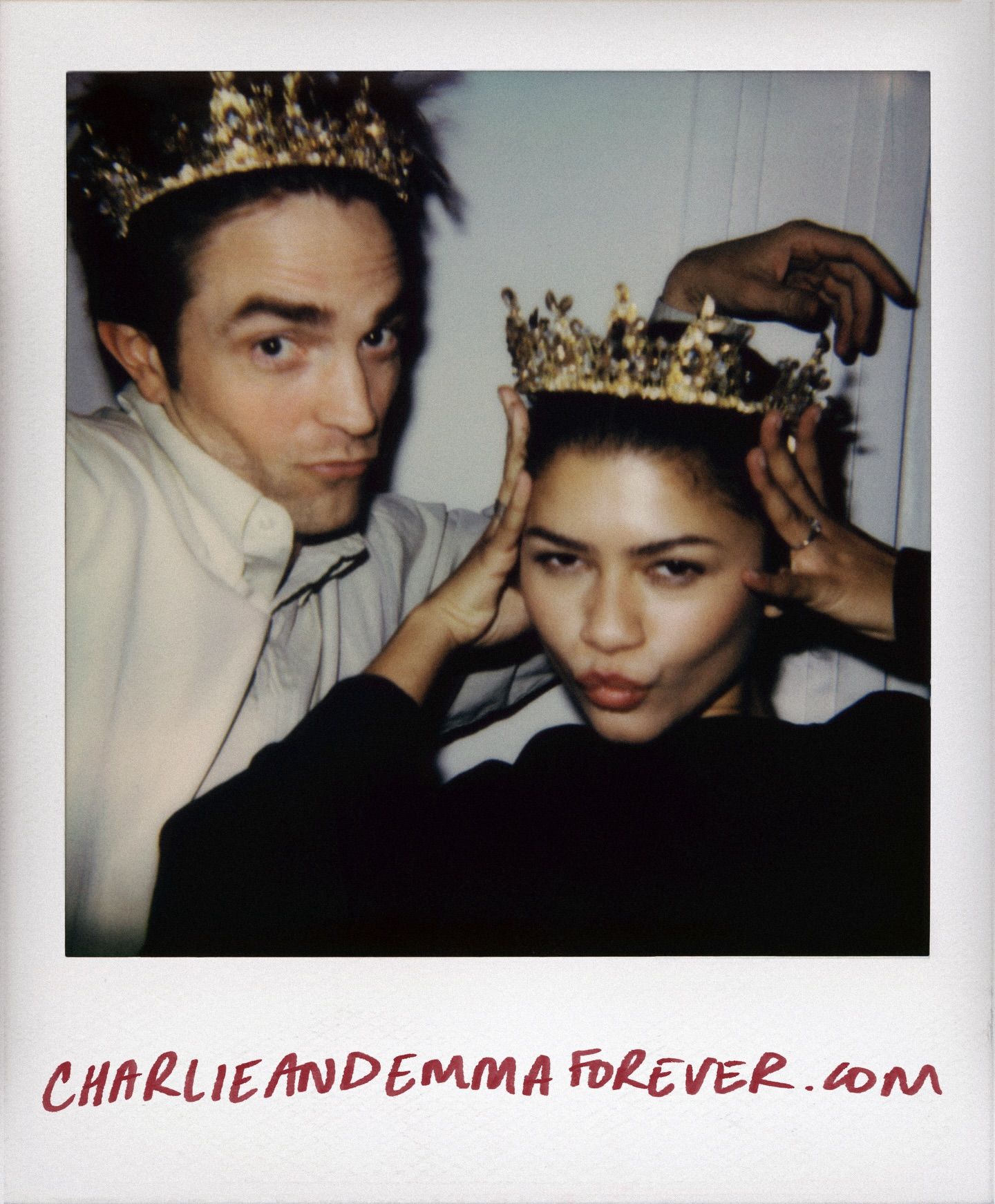
If you have been living on the internet like us, you already know the buildup was to the wedding of our dear friends Zendaya and Robert Pattinson’s characters in the upcoming movie The Drama, set to release on April 3. Since the website was unveiled on February 14, everybody I know and anybody they know was signing up for it. Will they all go to the theatres on April 3? Maybe. Maybe not. Were they all consumed by Studio A24’s strategic clouding of the veil between fiction and reality? Yes, absolutely.
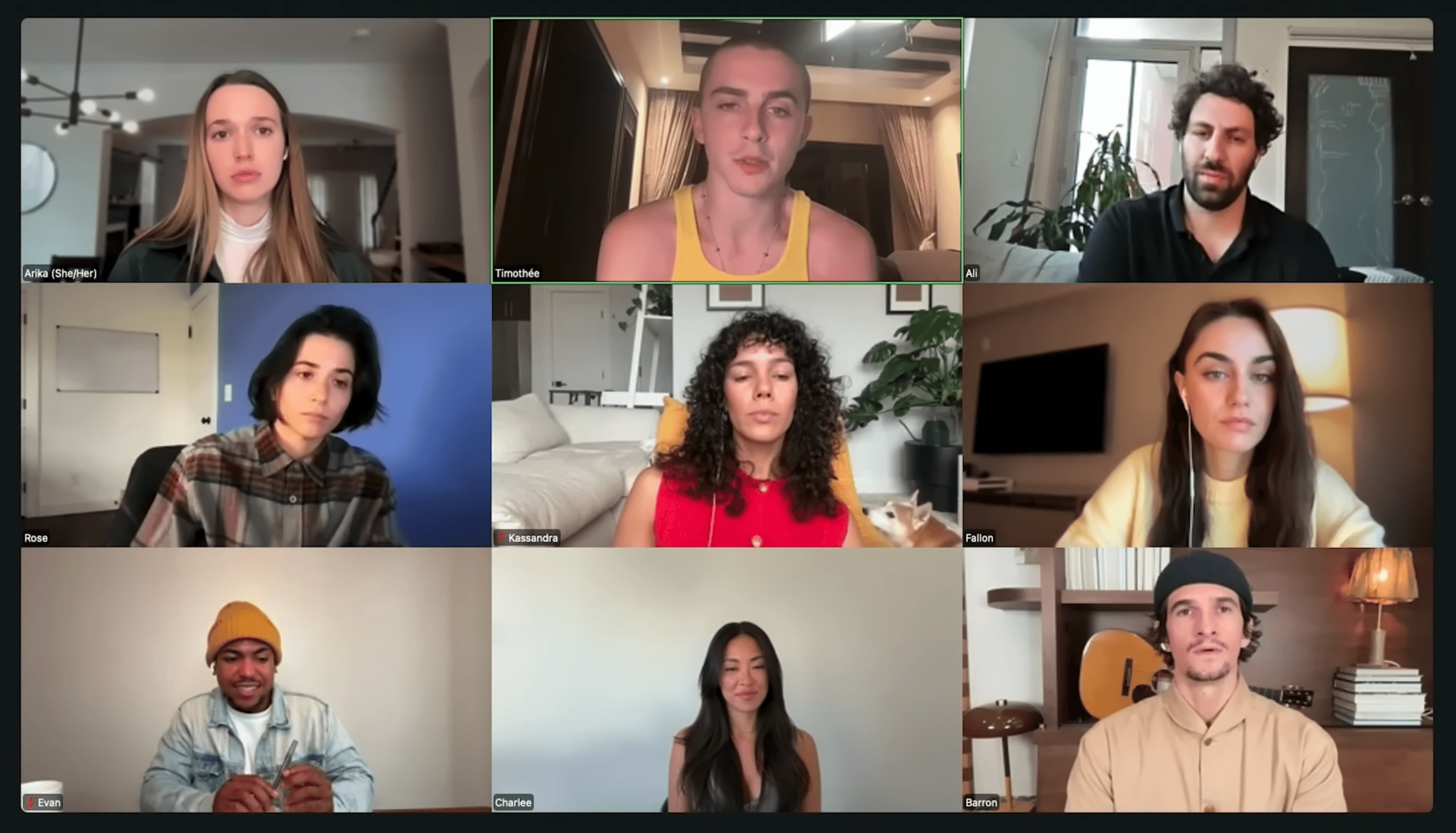
In November last year, the same marketing studio staged a Zoom call between Timothée Chalamet and a group of its employees. The video went viral after viewers were fooled by Chalamet’s awkward performance. In the 18-minute video, Chalamet, with a wild look in his eye, channels an insufferable star whose fame has gone to his head as he keeps pitching increasingly ridiculous marketing ideas for his upcoming film Marty Supreme. It was unhinged and, I’ll admit, a lot of fun.
Then there’s The Devil Wears Prada 2, which is on our feeds a little too much, with look drops every few months, location reveals, plus a Anna Wintour-Anne Hathaway moment on the Oscars 2026 stage and a Miranda Priestly and Nigel appearance in the front row at Dolce & Gabbana’s Milan show in September last year. And after all this, they now kick off a ‘traditional’ press tour.
Witnessing the current marketing pandemonium can feel a lot like entering a carnival, and if it all starts to feel dizzying, you should know it is by design. Here, you will be handed a Scarecrow Body Scrub from the Wicked: For Good collection, or a sandworm-shaped, lewd, and wildly impractical Dune popcorn bucket or a suggestive Bluetooth speaker that comes with five authentic sandworm sound effects and an hour-long ambient desert track for “lulling you into dreams of spice and sand beneath the twin moons of Arrakis”. You may be asked to turn into an amateur sleuth for Neon’s serial killer thriller Longlegs or be amidst an absurdist assembly of only bald people in the theatre for Emma Stone’s Bugonia. Look up, and an orange blimp may float by, and if you squint at the right time, you may even spot a tiny speck of Timothée Chalamet on there somewhere.
It is clear that the run-of-the-mill teaser-and-trailer combination doesn’t quite cut it anymore. But the question is, how much marketing is too much marketing? Nobody knows. Yet, everyone is at it, “pushing the boundaries” towards a collective goal: to bring audiences to the theatres. Audiences that are trapped in a scroll-induced stupor, have subscriptions to multiple OTT platforms, and won’t care unless something cuts through the noise and piques their curiosity.
So, when press tours feel increasingly robotic, rewriting the playbook to make sure the buzz around the movie isn’t just a week of star-backed, fully orchestrated appearances, is probably the only way forward. Maybe.
“Audiences are coming to theatres—it’s just event-driven, not habit driven,” says Parag Desai, founder of Universal Communications, which has handled publicity and media for Brahmastra Part One - Shiva, Gangubai Kathiawadi, Kabir Singh and the Golmaal and Singham franchises. “If urgency cannot be created [to watch the film in the theatre], no amount of marketing can compensate.” Universal, among others, is moving away from “star-led campaigns to idea-led campaigns”.
And marketing studios are taking this crisis seriously. In their war rooms, I imagine executives huddled in clusters, brainstorming the next ‘viral’ campaign and ways to ‘saturate the market’ and ‘capitalise on the cultural moments’. But when the dust settles, will these campaigns hold up?
In The Picture of Dorian Gray, Oscar Wilde writes: “There is only one thing in the world worse than being talked about, and that is not being talked about.” In film parlance, this has long been translated to ‘No PR is bad PR’. For decades, movie makers and marketers have relied on a bag of old-school tactics. On-set flings—crumbs down the grapevine, an insider source, a paparazzi shot—have always primed the audiences for more. And actors play into it even today—on red carpets and interviews—gently fanning the flames. Remember when Glen Powell admitted to leaning into rumours about his showmance with Sydney Sweeney sparked during their press junket for Anyone But You or, last year, the all-too-believable linkup rumours around Liam Neeson and Pamela Anderson during the promotional tour for The Naked Gun?
But audiences are far too weary about manufactured chemistry off-screen. Margot Robbie’s comments about her and Wuthering Heights co-star Jacob Elordi’s mutual obsession earned a couple of eyerolls at best.
For the Indian market, PVR-INOX Pictures created ‘The Dramaship Test’ (built on ChatGPT), which is designed to reveal the kind of energy you bring to your relationships, mirroring the film’s premise where Zendaya’s character does something sinister (spoilers are out now!) that upends their entire romance. I decide to take the test, and a couple of questions and some choice commentary later, my results read: “Dramaship Territory – 84%.” How perceptive, I groan to myself.
The test is, however, just one of the many ways this film is calling out to its patrons. Across Bengaluru, Delhi, Hyderabad, Mumbai, and Pune, blind dating and speed dating events have been organised for cinephiles. Saurav Arya of Small World, which organised the speed dating event, said they wanted to make the audiences feel like they were stepping into the world of the movie. “It’s all about giving the audience some skin in the game.” He added, “Today’s audience has a very high bullshit filter—they can spot a forced ad from miles away.” Everyone involved leaned into the cheeky, chaotic energy of the film, with one question on everyone’s mind: WTF did Zendaya do?
But the most unexpected crossover served on our screens a few days before Ryan Gosling’s Project Hail Mary hit theatres in India was the Gosling-Hrithik Roshan video chat where the two connect over having endearing, misfit intergalactic buddies Rocky and Jaadu, respectively. The two spoke of belonging to a very exclusive ‘space alien friendship club’ and the deep philosophical and human themes underlying the sci-fi premise of the film. Another video has Roshan teaching Rocky his iconic ‘Ek Pal Ka Jeena’ dance. “Left tentacle aage…right claw peeche,” he instructs, while the creature tries to follow along through a laptop. Drama ensues when Jaadu throws a fit, and Roshan cossets him. If you’re wondering who’s into this, digest this: The videos racked up almost 20 million views.
Jimit Kansara, director of marketing, India, for Sony Pictures Entertainment, whose team is the brains behind this campaign, said, “When it comes to method marketing in India,” he says, “you have to balance immersion with scale, keeping it massy. It has to feel like a natural extension of the film. It’s like a method-lite version.”
Though, once in a while, studios completely miss the mark—the news of more than 800 missing people in Delhi, which sparked genuine fear among the denizens, was allegedly co-opted as paid posts to promote Mardaani 3.
On other occasions, however, we appreciate the effort.