


Accessories07 Oct 20263 MIN

This homegrown label is turning vintage lace into tactile jewellery

Niyati Chheda’s Nenikaar is giving old chikankari lace a second life in metal, translating its softness, texture, and motifs into sculptural earrings and necklaces

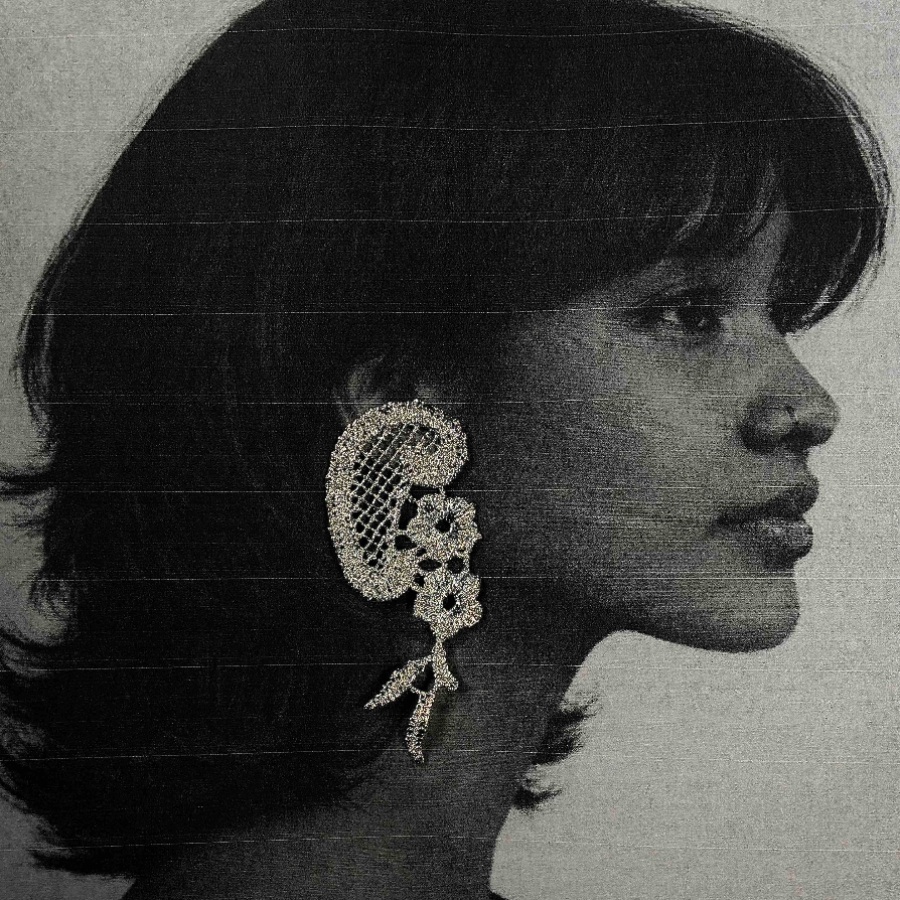
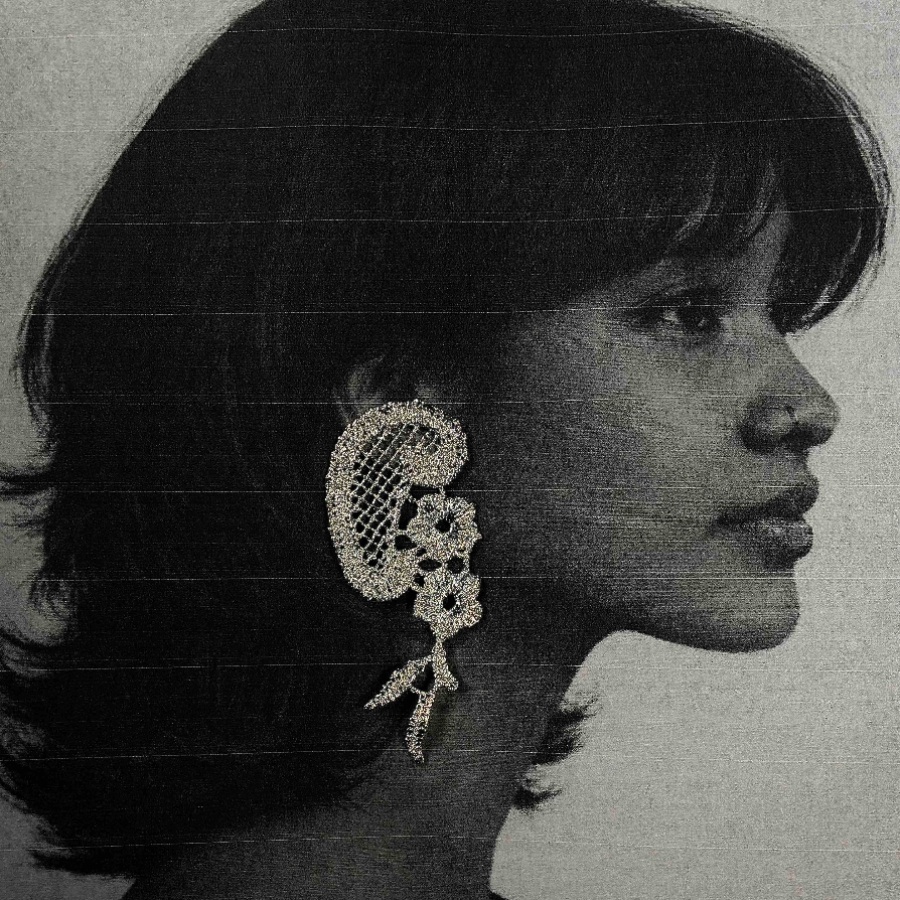
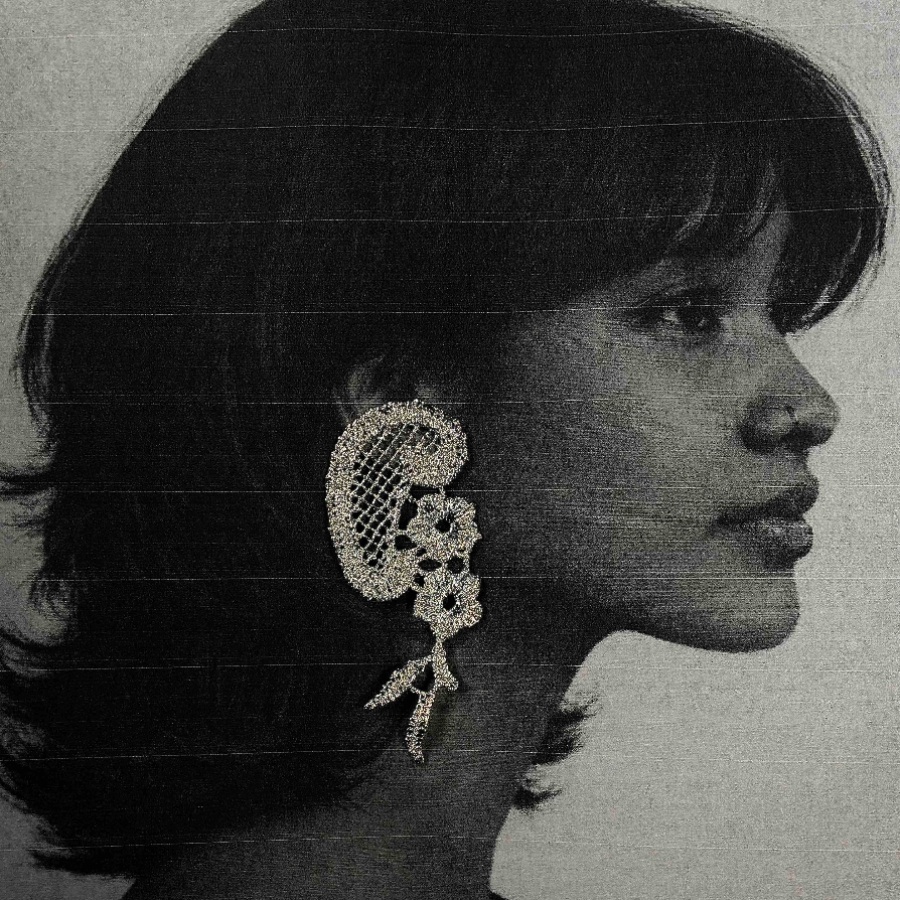
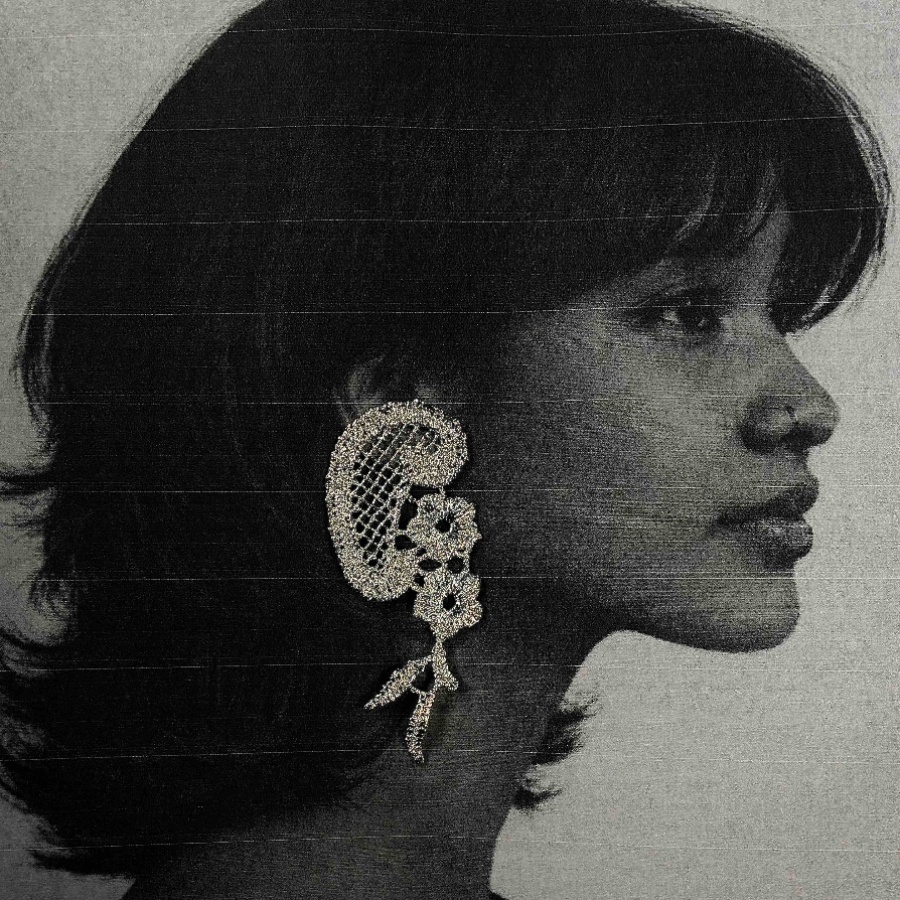
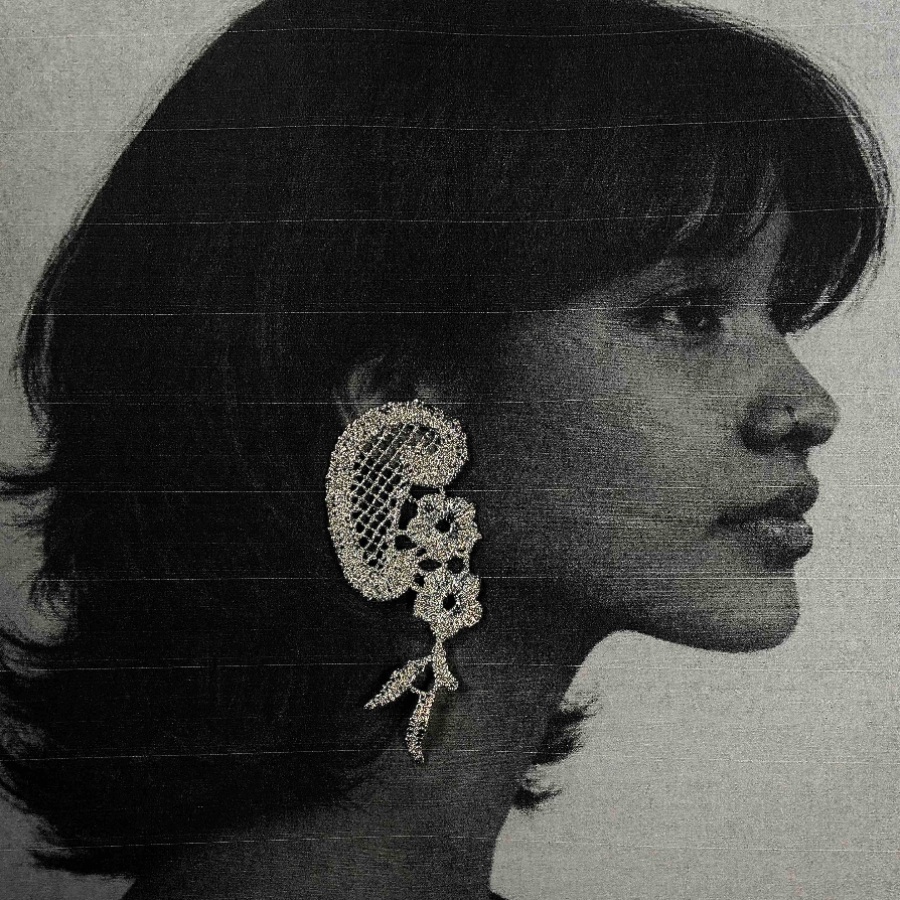
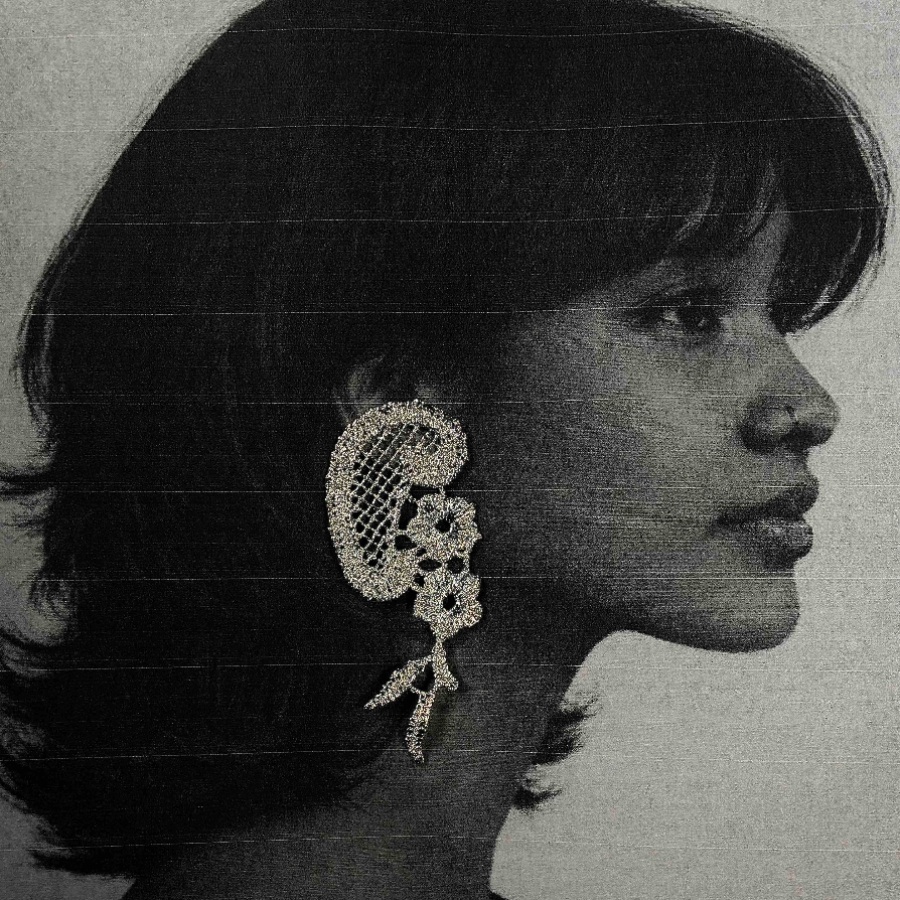
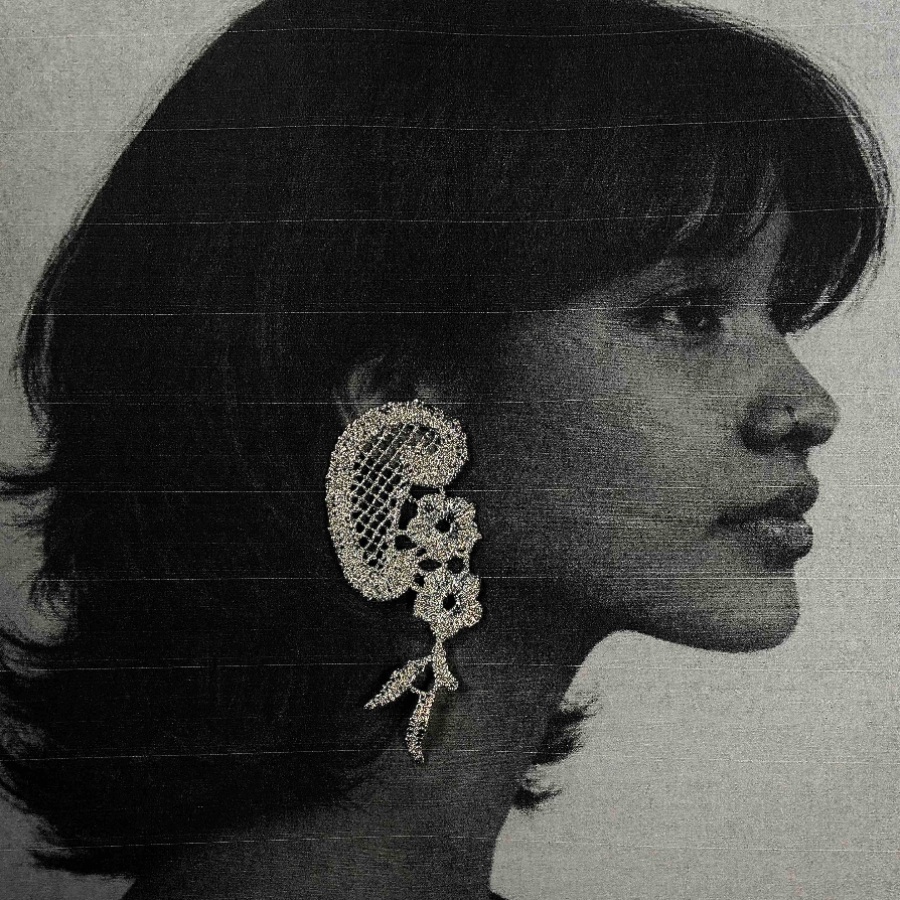
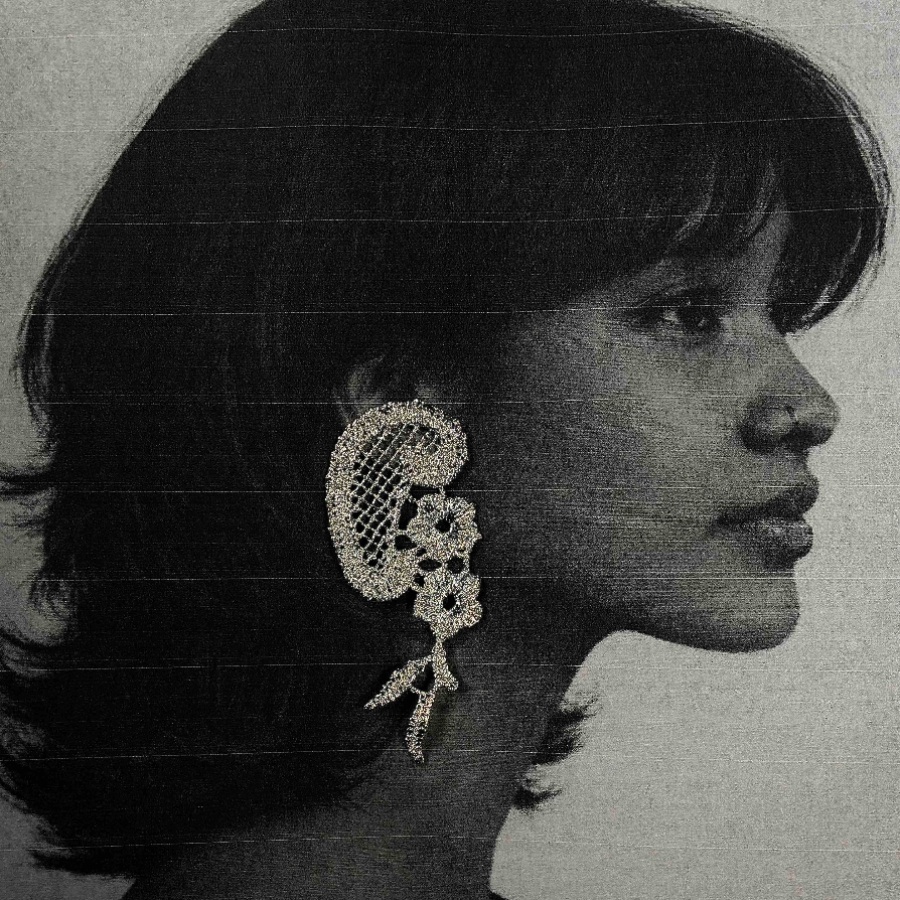
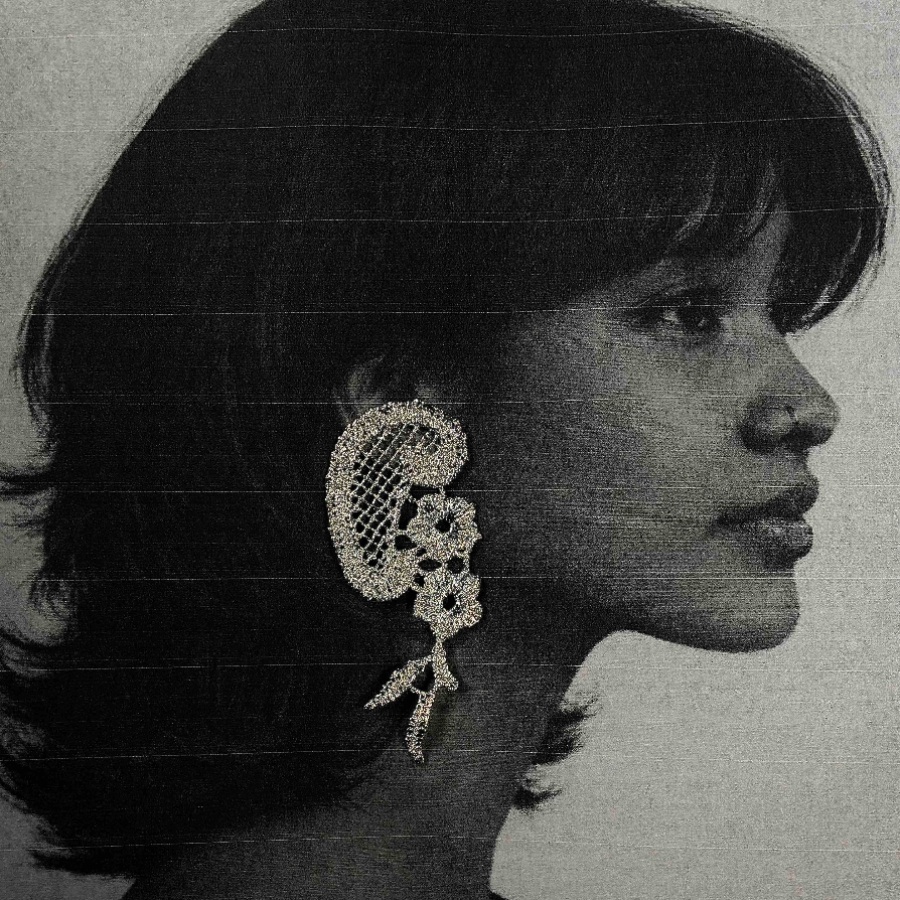
The ‘Aam Panna’ earrings by Nenikaar

The ‘Aam Panna’ earrings

Courtesy Nenikaar

In the spring of 2020, as the world shrank to the four walls of home and most people turned to baking sourdough to pass the time, Mumbai-based Niyati Chheda and her mother, Neeta, sat down with a box of beads. There were bits of wood, glass, ceramic, and loose gemstones, alongside a basic kit of findings ordered online. What began as a simple mother-daughter activity to pass the time during the lockdown quickly turned into a small-batch fundraiser to support Covid-19 relief efforts.

For Niyati, the passion project became a gateway into the world of jewellery making. Over the next few months, fascinated by ancient metalsmithing techniques, she pushed her practice beyond basic assembly, experimenting with soldering and ceramic structures, before arriving at wax sculpting and lost-wax casting.
By May 2021, the largely self-taught jewellery designer’s experiments had become Nenikaar, her Mumbai-based jewellery label, which she launched through Instagram. The name of the label is inspired by the small ecosystem behind it. “Ne is Neeta, my mother, who is the creative heart of it all. She pushed me to start Nenikaar, and while eventually I took it up as a business on my own, I still turn to her for her opinions on everything,” Niyati explains. “Ni is me, Niyati. ‘Kaar’ comes from karigars, the artisans who help bring the pieces to life. Nenikaar is the amalgamation of the three people who make it happen: the heart, the vision, and the hands.”

The emphasis on the hands is most clearly seen in ‘Tantuja’, a collection built around the unlikely pairing of lace and metal. Its name come from the Sanskrit word for “born of thread”, an apt description for jewellery that begins with a piece of fabric and ends in solid metal. Niyati had already drawn visual cues from the delicate jaali latticework of Jaipur’s architecture for previous collections. Her interest in pattern and negative space eventually led her to Lucknowi chikankari lace, and she began looking for a way to preserve the fragility of the soft, porous textile in something solid and structural.

For her pieces, Niyati sources vintage lace through antique markets and online sellers, and her design process bypasses digital CAD renders entirely. Instead, she works directly with the textile, coating the lace in wax so every textural detail and nuance of the stitches is captured in the wax model.

From there, her team of skilled karigars in Jaipur takes over, handling the lost-wax casting process. Through a precise balance of pressure, steam, and intense heat inside kilns and flasks, the wax and lace burn away, leaving behind a cavity that is filled with molten metal. (Nenikaar’s pieces are primarily created in brass, then silver- or gold-plated, though Niyati also produces pieces in 92.5 silver on request.) Eventually, what survives is the impression of the lace in metal. A single fragment of lace can only be used once to create a design before it burns away along with the wax in the kiln, making each design one of a kind.

The resulting jewellery carries an unmistakably Indian design vocabulary without feeling overtly literal. The ‘Aam Panna’ earrings capture the symmetry of the traditional paisley, while the ‘Paan’ necklace transposes the familiar leaf motif into a tactile emblem. Niyati’s eye is naturally drawn to what she sees around her—organic symmetry, natural forms, and architectural details that she then translates into wax sculptures.

The impulse to preserve something fleeting runs through Niyati’s other works too. For instance, her bespoke finger jewellery uses custom fingerprint castings to reproduce the discreet ridges of individual fingerprints in metal. The process allows wearers to immortalise their exact prints, turning jewellery into a wearable archive of human presence and a shared memory. In both cases, the underlying idea is similar: taking a surface that otherwise might disappear and turning it into something that can be worn and kept.

The Nod Newsletter

We're making your inbox interesting. Enter your email to get our best reads and exclusive insights from our editors delivered directly to you.