



check-in03 Aug 20264 MIN

Not every Cappadocia fantasy involves hot-air balloons

A boutique hotel in Ürgüp turns Dante’s ‘The Divine Comedy’ and ‘Inferno’ into one of the region’s most unexpected experiences

Image

The Inferno Spa is designed nine metres below the surface as a tribute to the nine circles of Dante’s ‘Inferno’

Like most people visiting Cappadocia, I had spent the better part of my trip chasing the classics: wandering through ancient cave dwellings, marvelling at the fairy chimneys, and setting alarms for an ungodly hour in the hope of catching the region’s famous hot-air balloons. Except, on my second-last day, the weather had other plans. The balloon ride I’d been looking forward to was cancelled, and after an early wake-up call for nothing, I was tired, a little disappointed, and ready to head back.

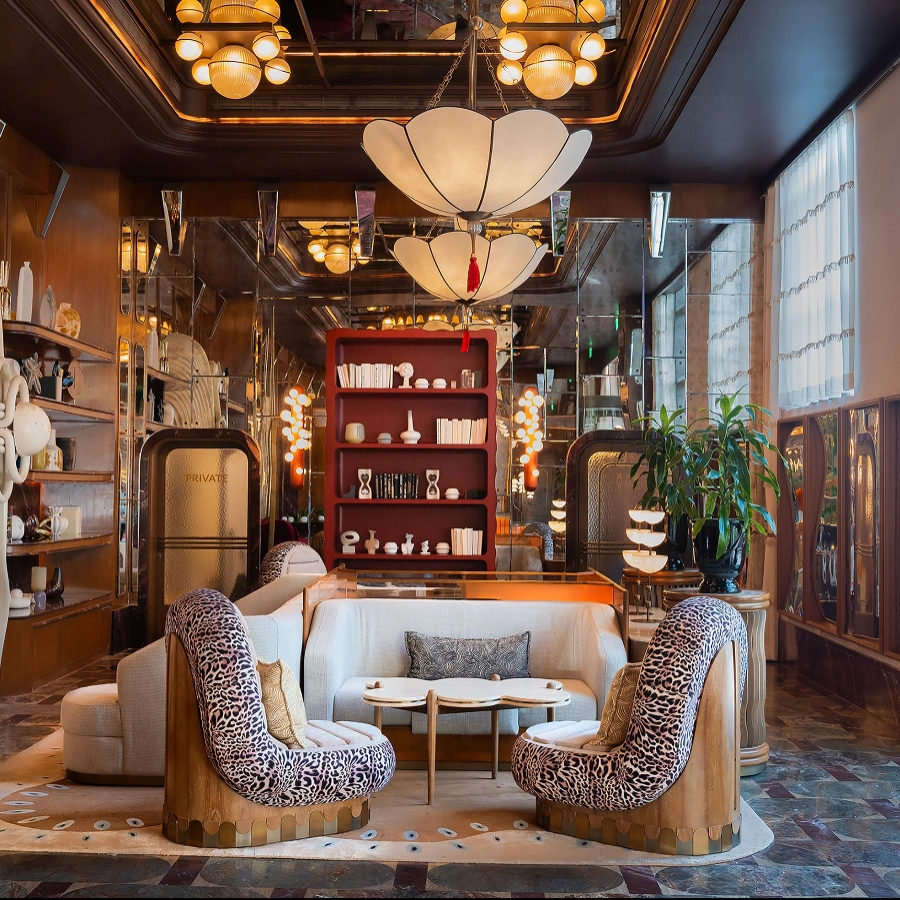
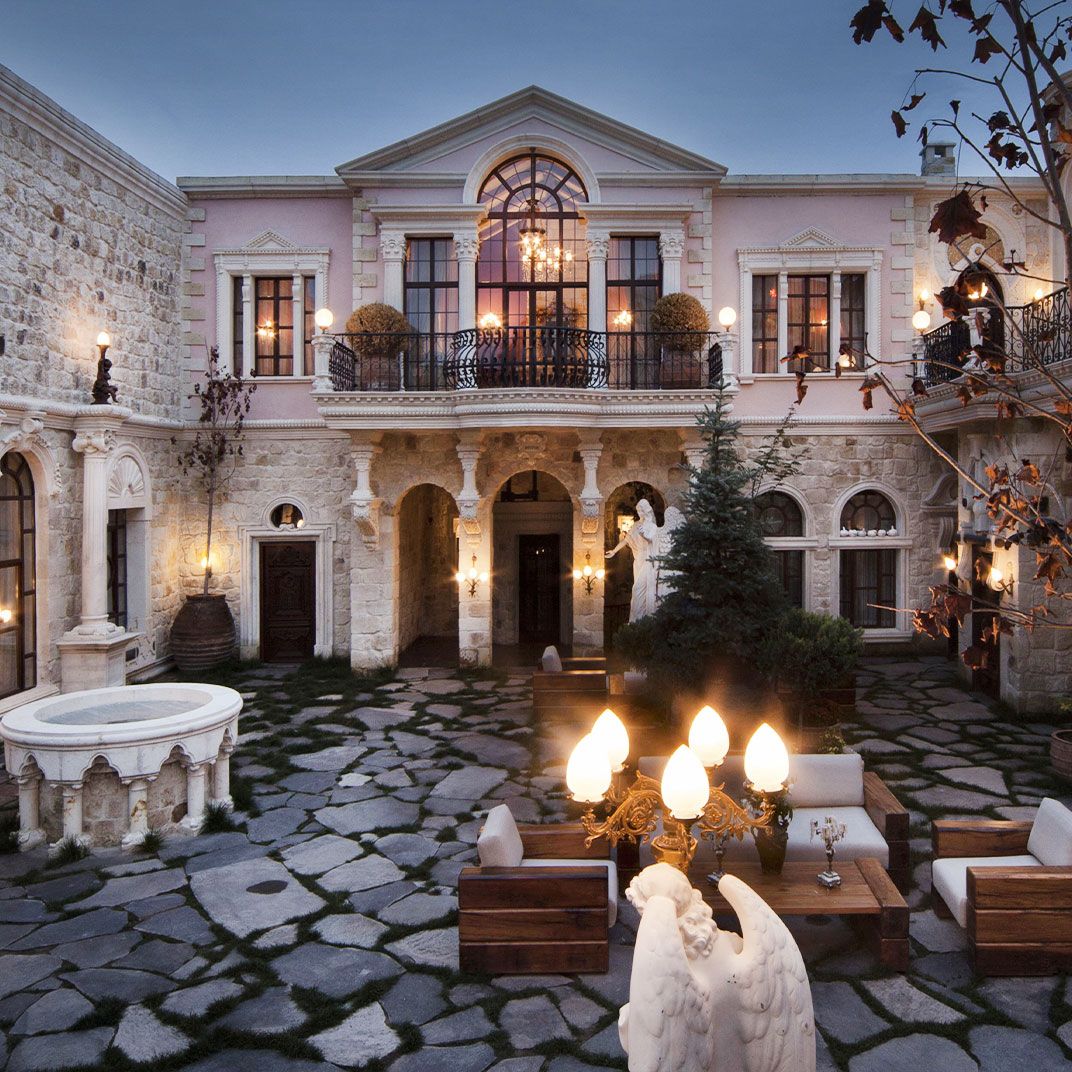
Perhaps our tour guide sensed the mood because, instead of calling it a day, he made one final stop for dinner at a boutique hotel tucked away on a narrow lane in Ürgüp. Like much of Cappadocia, the town is known for its cave dwellings, fairy chimneys, and sprawling vineyards, so I thought I had a fairly good idea of what to expect. From the outside, Sacred House looked like a charming old stone building, giving almost nothing away about what was waiting on the other side of its doors. I pushed open the heavy wooden doors and was met by candlelight, a towering marble statue staring back at me, and enough antiques and flickering fireplaces to make me instinctively look around for Count Dracula. After spending the day surrounded by Cappadocia’s warm, honey-coloured landscape, this felt like someone had smuggled a Gothic mansion into the middle of fairy chimney country. Inspired by Dante Alighieri’s Divine Comedy, particularly ‘Inferno’, Sacred House builds its identity around the idea of Heaven and Hell.
1293662.jpg
Sacred House has been themed around Dante’s Divine Comedy, particularly ‘Inferno’

Sacred House, which has also been featured in the Michelin guide, is a 23-room boutique hotel housed inside a restored 250-year-old Greek mansion. But calling it a hotel almost feels reductive. Reimagined by owner and architect Turan Gülcüoğlu, every room is conceived as its own little universe, drawing on the eternal push and pull between heaven and hell, light and darkness. The suites range from Archangel, where winged sculptures and cathedral-like stone arches evoke a celestial sanctuary, to Bacchus Hideout, named after the Roman god of wine, with its crimson drapes, carved wooden bed, roaring fireplace and Gothic touches that wouldn’t look out of place in a vampire’s private chamber. Elsewhere, there’s the opulent Opium suite, the richly decorated Sultan suite, and the mystical Allegory of Jealousy and Byzantium Treasury suites. No two rooms look alike, but they’re all united by the same cinematic quality.
Before dinner at the hotel’s Virtus restaurant, we made a detour to the Inferno Spa, tucked nine metres beneath the ground. As we walked down the stone passageway, a rush of warm air hit our faces before revealing a pool so intensely crimson that it almost looked unreal. “The Inferno Spa is designed nine metres below the surface as a tribute to the nine circles of Dante’s ‘Inferno’. Before reaching the pool, guests descend seven stone steps, each representing one of the Seven Deadly Sins. The idea is that you pass through these symbolic stages before entering the water,” a spokesperson for Sacred House explained. Standing there, it genuinely felt as though we’d stepped into Hell. The entire room was bathed in a crimson glow that reflects off the water and walls, while an upside-down angel sculpture loomed above a seating area lined with deep-red velvet sofas.

Climbing back up from Inferno, we found ourselves in the Angels & the Searchers Bar, tucked beside Virtus. If hell had been drenched in crimson, this was Sacred House’s version of heaven. The room was overflowing with foliage that spilled across brick walls and curled around antique furniture, creating its own take on the Garden of Eden. Everywhere you looked, there was another detail waiting to be noticed. A stone fireplace was carved with a lion locked in battle with a snake, symbolising the eternal struggle between good and evil, while portraits of Adam and Eve on either side captured the moment before their fall from paradise. One entire wall was covered with haunting portraits by Spanish artist and physician Dino Valls, and right at the entrance sat a table crafted from the door of an old church once found in the region. Even the cocktails continued the storytelling. Drinks arrived perched on tiny figurines, and the menu featured names like Tears of Angel, Poseidon, Hera and the ominous Devil’s Breakfast, a tequila-based concoction with Tabasco that I was warned was far fiercer than it looked. I opted for the Lilith instead, a lighter mix of Gordon’s Pink Gin, Limoncello, passion fruit and lemon, before heading next door for dinner.

Dinner at Virtus felt like another extension of the hotel rather than a separate restaurant. Housed in what was once the property’s chapel, the dining room is softly lit by candles, with deep oxblood walls covered in religious icons and paintings. The host told me many of these were unearthed during the restoration of the 250-year-old mansion, giving the room the feeling of a space that has slowly accumulated stories over centuries rather than one that was simply decorated. We began with a generous mezze spread of hummus, baba ganoush and muhammara before moving on to a vegetarian lasagne and mantı, Turkiye’s beloved dumplings. While the food was enjoyable without being the standout of the evening, the setting easily stole the show.

Throughout dinner, the woman at the table next to us, dressed in a dramatic black corseted gown with a lace veil, kept slipping away between courses for photos around the hotel. She looked as though she’d wandered straight off the set of Frankenstein. A scroll through Sacred House’s social media later confirmed that she wasn’t an anomaly. The property regularly doubles as a backdrop for weddings and elaborate pre-wedding and post-wedding shoots, with guests dressed to match the drama of their surroundings. In almost any other restaurant, it would have felt bizarre. People don’t seem to treat Sacred House simply as somewhere to sleep or have dinner. They treat it like a set, and after spending an evening there, I could see why. I took more than my fair share of photos too. Next time, I’d stay long enough to explore the place properly.

For reservations and bookings, check here 

The Nod Newsletter

We're making your inbox interesting. Enter your email to get our best reads and exclusive insights from our editors delivered directly to you.