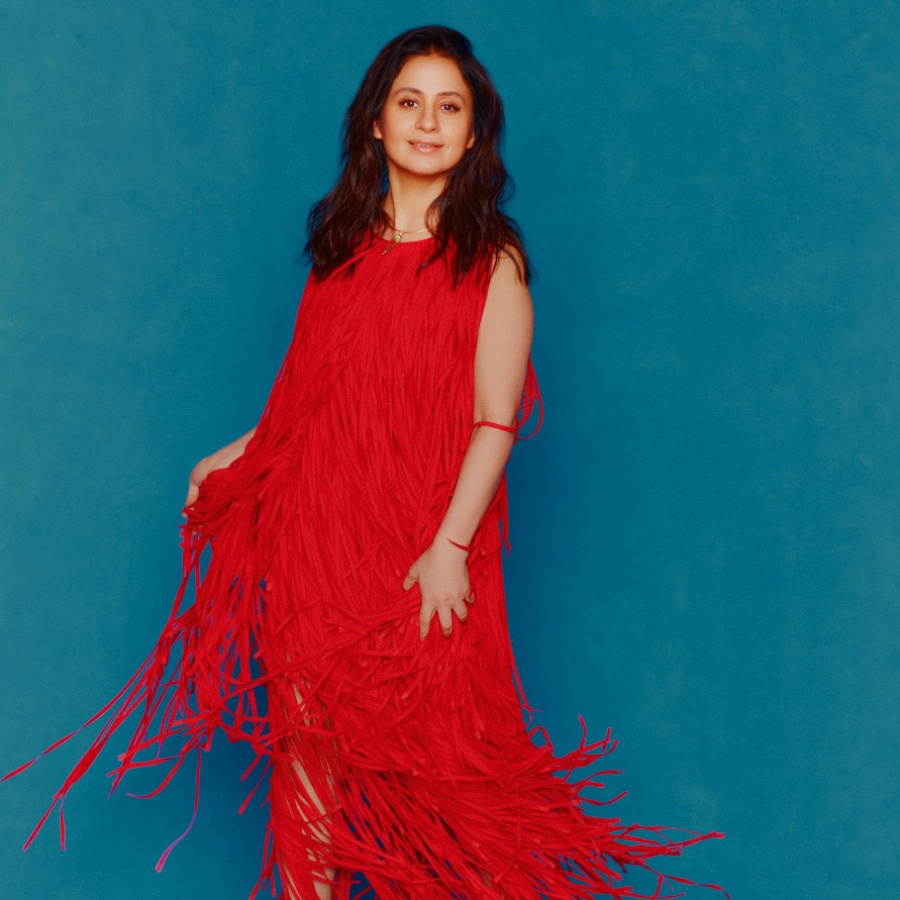





Name: Samantha Noronha
Age: 25
Location: Mumbai
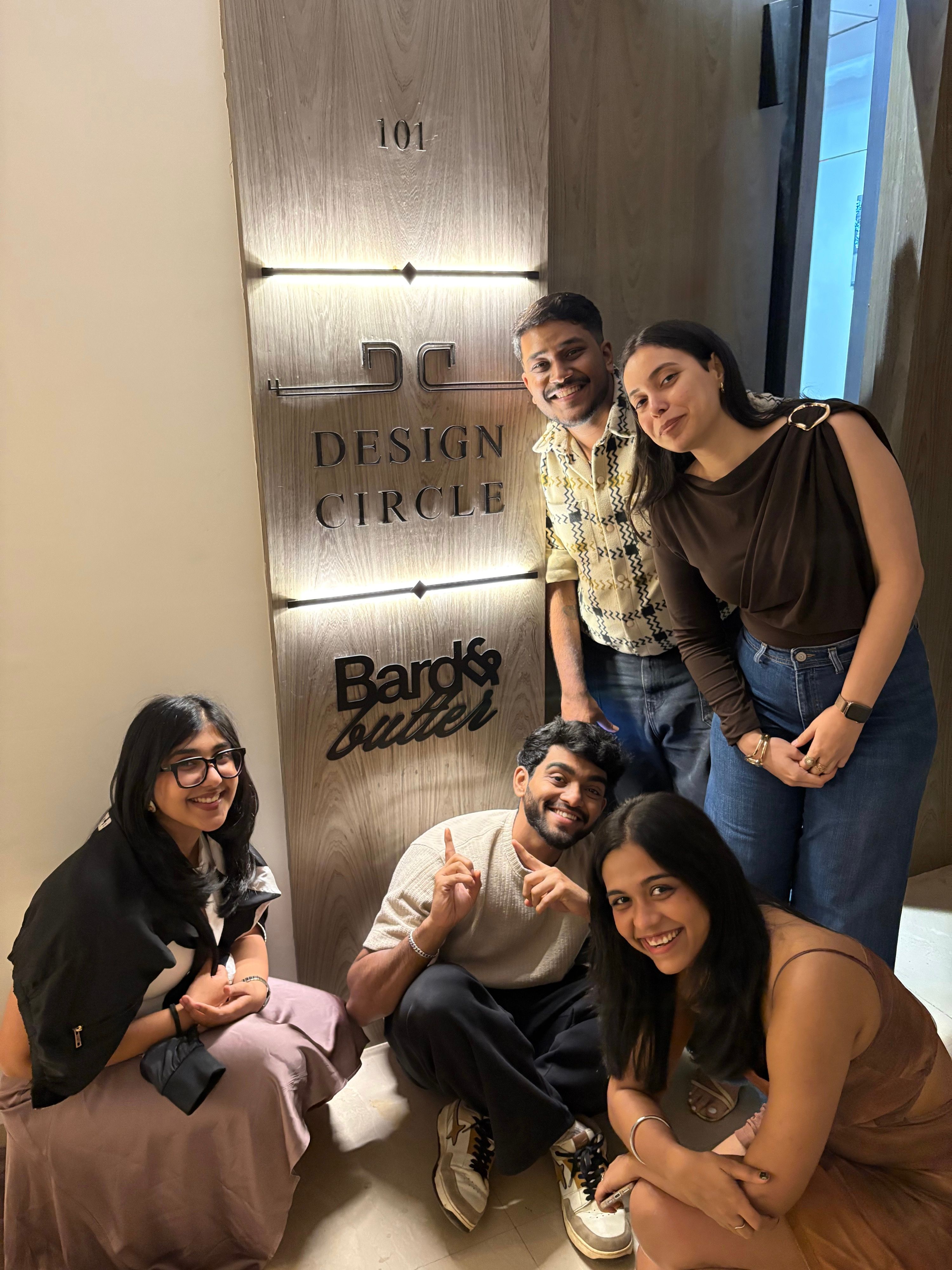
Profession: Founder, Bard & Butter; hospitality consultant
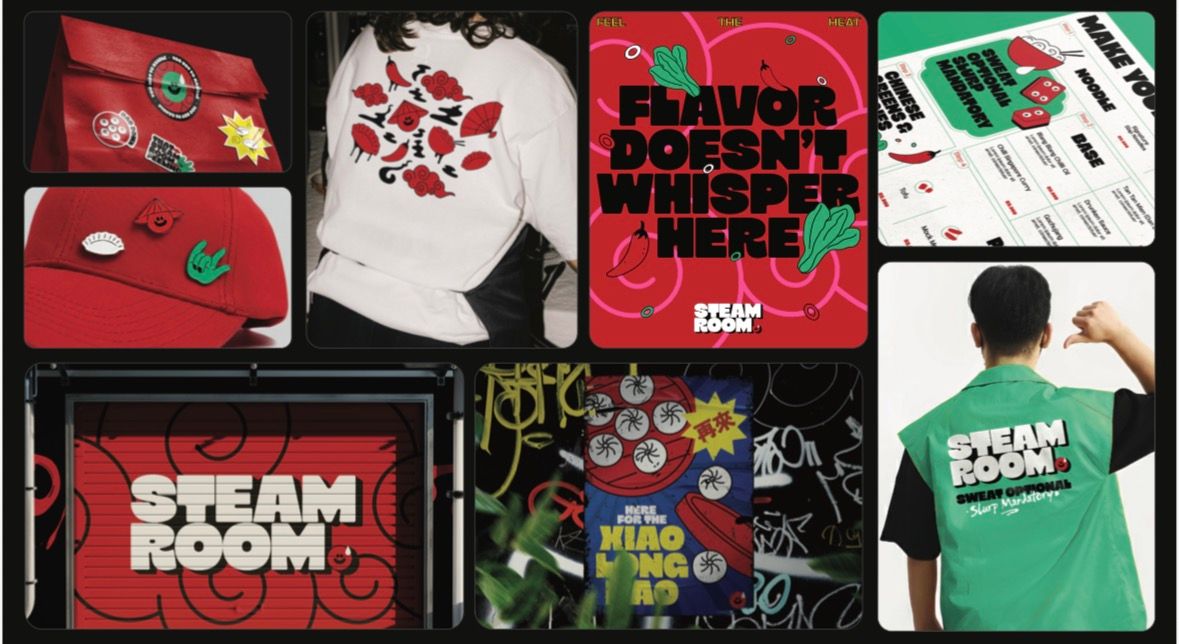
Why you should know her: Samantha Noronha was one of the first faces on the Mumbai Foodie Instagram page, and the reason you probably queued for that restaurant you discovered mid-scroll. Now, she builds them instead. Through Bard & Butter, her hospitality branding studio, she’s shaped some of Mumbai’s newest concepts, from chef Beena Noronha’s Staqx, where a bathroom switch triggers disco lights and Michael Jackson, to the hawker centre-style Steam Room to the cocktails on tap at Papi on Linking Road.
This year she’s had one restaurant, bar or cafe launch for every month that’s passed, and there’s one scheduled for every month after. For July, it’s Jùun. a Cantonese restaurant at the Eros Theatre in Churchgate, Mumbai. This time she’s also a partner alongside her brother Sherwyn and Ruchyeta Bhatia and Amit Sharma of Love & Cheesecake.
Why her hospitality studio is the go-to for restaurants: In just a year and a half, Noronha’s hospitality studio, Bard & Butter has found its niche in the hospitality space. “We are first a branding studio—new restaurant concepts, brand identities, new IPs, anything that falls into design. Then production, strategy, and marketing across content and physical experiences. The name is a take on bread and butter with a literary wink thrown in. I think, if there is a story, everything else on the table starts to make sense. We’ve created the content series ‘Tourist Traps’ with chef Picu (chef Rahul Gomes Pereira) for District’s Goa Instagram page and collaborated with Raaj Sanghvi’s Culinary Culture Co on content for their awards IP ‘Food Superstars’.”
What growing up at Mumbai Foodie taught her: An English Literature graduate from St Xavier’s (with Applied Media Studies), Noronha tried a law internship and a writing job before realising neither was her calling. In her own words, Mumbai Foodie was her real college. “I started as a creative producer at 20. Instagram Reels had just rolled in. For my first shoot, they sent me with an iPhone to what used to be Brew Dog in Lower Parel. The five-minute brief was: take videos of everything interesting. The first week I did not know what I was doing. Soon, I started understanding what people are reacting to but also when something is only a gimmick, when something has legs, and when something is just built for one video. Working on multiple brands, shoots, and openings, you start seeing patterns. The access I had at Mumbai Foodie was simply unparalleled. I have seen how work converts with Mumbai Foodie unlike anywhere else. If a restaurant is on a Mumbai Foodie Reel today, expect massive queues outside their door tomorrow. Mumbai Foodie taught me content, but it also taught me hospitality, business, launches, visual language, audience behaviour, and how restaurants function when nobody is looking.”
Her first project saw her design tables out of Coca-Cola crates: “Steam Room, our first ever restaurant concept project, came from Aditya Wanwari of Toast Inc. The idea came from the kind of places everyone has been to on their travels through southeast Asia—hawker centres in Singapore, night markets, Chinatown shops. We wanted to translate that feeling for Bandra but not copy it. So, the stools are plastic; the tables are fashioned from old Coca-Cola crates; the menus sit under mirrored tabletops; and the fridge is self-service and stocked with nostalgic drinks like Rani Float. Every detail tells the same story. When you walk in, you know exactly where you are, even if you have never been there before.”
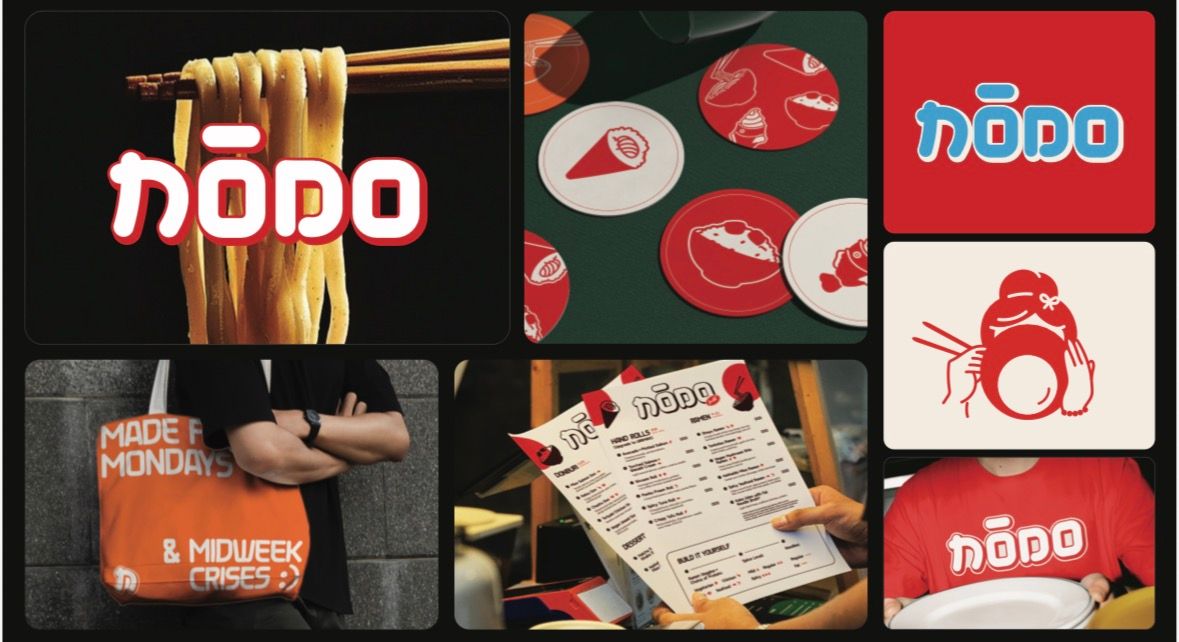
What first-time restaurateurs get wrong: “Clients are very good at referencing—they will have Schmuck from New York on their mood board and Double Chicken Please saved on their phone to replicate here. My job is to tell them that it does not align with what people want and that the city may not be ready for it yet. The disconnect I see most often is that first-time restaurateurs lead with what excites them, not what the city actually needs. When Raunak and Digvijay came to me with Nōdo, their casual ramen bar, they were set on opening in Bandra. I told them Bandra would work against what they were trying to build. Higher rents meant higher prices, and people would assume it was just another expensive Bandra Japanese spot. I told them to take it to Andheri. They did and are thriving. That is the gap I try to fill.”
Why she didn’t just become a food influencer: Before she quit Mumbai Foodie, many colleagues had already spun off their own pages and gone all in on the creator route. “I would probably have 5,00,000 followers today. I could have been in Switzerland touring a chocolate factory, but that was never really the drive. When it comes to content creation, you are constantly chasing reach, doing mass-forward content or making decisions that dilute your perspective. Unfortunately, that is how the content world works. My plan was always to save my salary, put a small team together, and train them. The money coming in from the first few clients was just enough fuel to get Bard & Butter off the ground.”
What it’s like to lead a 15-person team at 25: “There are 15 of us, all between the ages of 22 to 35 and we’re entirely self-sufficient, from design, concepts and strategy to production, post-production and client servicing. But I don’t believe coming into work is as simple as handing a JD. In fact, most of us are on the field or working from home and maybe come in once or twice a week at our office in Khar. Working at Bard & Butter is like getting a college degree. Everybody has a major and a minor. Your major is what you were hired to do but your minor is what you’re curious about. A videographer can have a minor in marketing IPs. A production person can have a minor in branding. That thought not only guided how Bard & Butter functions but also the kind of work we take on.”
Why Jùun is her riskiest opening yet: “We actually wanted to do southeast Asian food, but after a failed attempt at recreating a Filipino noodle dish I knew we couldn’t fake authenticity. Everybody dining out today has travelled and will call us out. So, at the end of January we scrapped the idea, pivoted to Cantonese, built the menu around steamers, woks, roasts, and claypots. Jùun means talented, but, honestly, we just wanted a name that was short and crisp. I don’t want a 10-minute conversation at the dinner table about how to pronounce the restaurant’s name. Jùun. That’s it.”