



Books09 Feb 20264 MIN

For the author of the Morisaki Bookshop series, daily life has its own drama

Satoshi Yagisawa on why he writes about bookstores, cafes and other everyday things, the bias against “comforting” books, and surprisingly dark fiction he loves to recommend

Satoshi Yagisawa

Satoshi Yagisawa

Satoshi Yagisawa is the quietest thing at the Kerala Literature Festival. There is a specific, high-frequency hum to the literary event. In Kozhikode—which was crowned a UNESCO City of Literature in October 2023—the air is thick with salt, sun, and the frantic energy of a thousand overlapping ideas. Everyone is rushing to hear someone: on the bill are Nobel laureate Abdulrazak Gurnah, Booker Prize-winning authors Kiran Desai and Banu Mushtaq, Indian literary stars like Benyamin, and the crowd-puller of them all, Sunita Williams, the record-setting India-origin astronaut. Readers move in circles, tote bags full of books, and iced coffees in hand. Panels pulse with urgency, making it seem that literature is the only saving grace for this modern world.

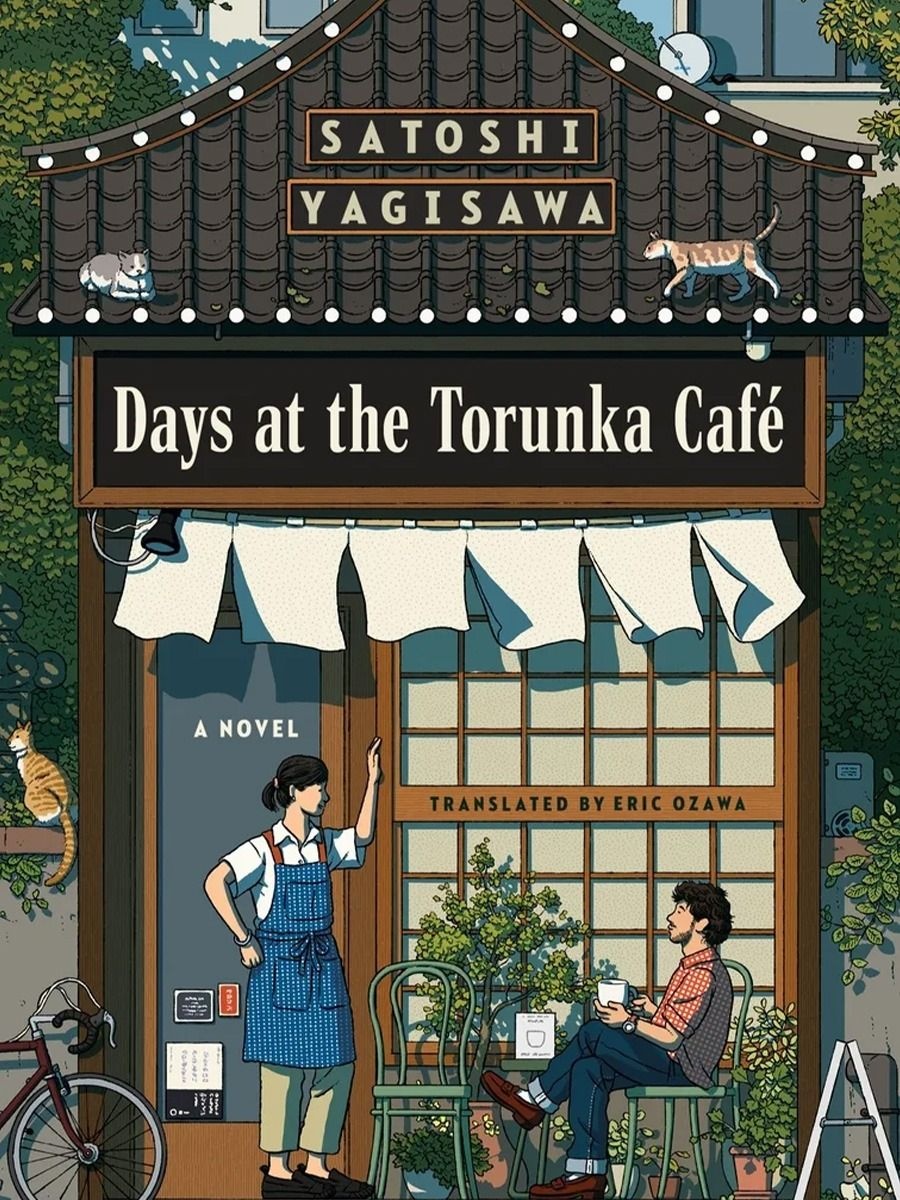
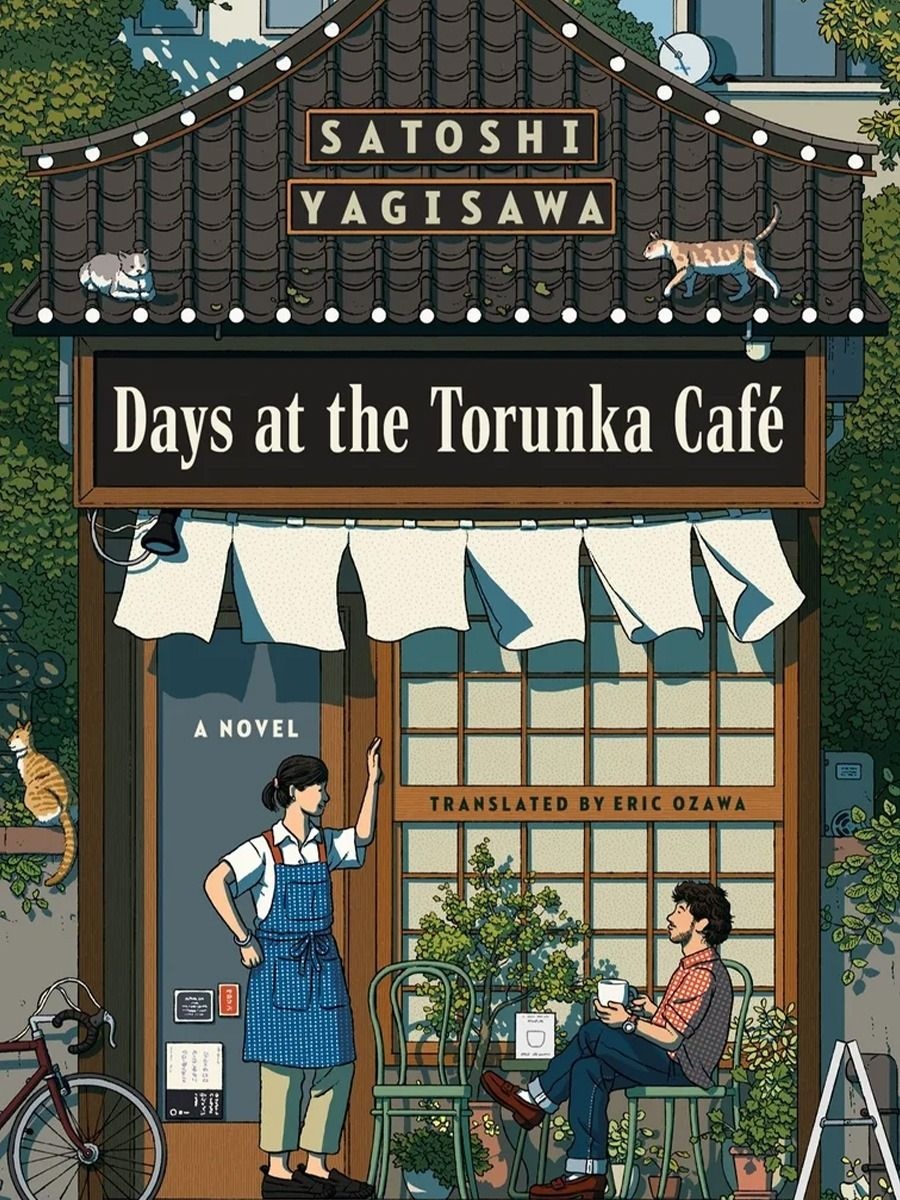
Amidst this chaos, Yagisawa, the Japanese novelist, best known for books like Days at the Morisaki Bookshop (and its sequel More Days at the Morisaki Bookshop) and Days at the Torunka Cafe, sits slightly folded into himself, holding the microphone close to his mouth. When a question is posed, he pauses, considers it carefully, and responds in a low, measured voice.

Like his comforting books, the author occupies a space that feels rare in modern fiction: the middle of a long overdue exhale. His stories don’t live in the climax; they stake their claim in the dust-moted aisles of secondhand bookstores and the rhythmic sounds of a cafe. His characters aren’t anything special either, really. They’re ordinary people—just like his readers.

Take Takako, for instance. Reeling from heartbreak, she retreats into her eccentric uncle Satoru’s secondhand bookshop in Jimbocho, where her grief slowly softens not through confrontation but through routine. In Torunka Cafe, lonely regulars drift in and out through the cafe doors, carrying disappointments and the weight of life that ease with conversations and familiarity. Yagisawa’s characters find their way back to the light with the architecture of the ordinary: shelving books, steeping tea, and sitting with their thoughts long enough to actually hear them.

In his books, life becomes bearable again not through drama or high-speed narratives but through the steadying grace of the ordinary and routine.
Seated in a tent, with the sound of waves in the background, he sits down with The Nod to talk about the dignity of small moments, the sanctity of third spaces, and why simple stories are needed in today’s chaotic world. In this overstimulated, “noisy world”, his work serves as a radical invitation to lower the volume. 

Excerpts from our conversation:

Your novels are often described as healing or gentle. In an industry that often rewards grit and high stakes, was this a deliberate rebellion?

I don’t think my writing and gravitating towards these stories is a strategy. I simply feel that I am creating these stories as an answer to a noisy world. My hope is that readers can use my work as a refuge, a place where they can feel at ease and realise that they don’t always have to take part in the pace of the world around them.

You tend to bypass the “big drama” to focus on the microscopic rituals of daily life. What is it about the small moments that feels so vital to you?

We are surrounded by high-stimulation storytelling—movies, manga, anime, mystery, thrillers—all competing for our adrenaline. I strongly believe that we need to balance that. However small, daily life also has its own drama. And I want to write about those tiny things that touch us deeply, not the big, fantastic events.

Bookstores and cafes aren’t just settings in your books; they have an emotional presence. What do these spaces represent for you?

They are spaces I personally love, of course. But functionally, I want the reader to feel that they are physically stepping away from their world. Having these intermediary “third spaces” helps me explore heavier themes like grief or loneliness without making the reading experience itself heavy. It’s like when you enter a bookshop and browse through the shelves—you might be carrying a lot, but for that little time, it becomes bearable. You can breathe for a bit.

Your writing feels so unhurried. Does your actual life and writing routine mirror that rhythm?

When I am home in Japan, I live in a quiet town with my wife and our cat. I write for a few hours in the morning, then I go for a walk or to the gym. I mostly stay away from the internet and focus on being in touch with my thoughts. Noticing the tiny changes in my own mood or the world around me is where my novels begin.

You have a global readership now. When you sit down to write, do you find yourself writing for a specific type of person?

I don’t think about nationality, age or gender. I think about the person who is searching for a very specific kind of solace, someone who might need to be healed by a story. I write for humans and their feelings, which I believe are universal regardless of where you are from.

There is a bias that “comforting” books are somehow less serious than “difficult” literature. Does that distinction matter to you at all?

Some people will always classify books that way. I don’t focus on whether my work is “literary enough”. I want to write books that are accessible; books that even people who don’t usually read can enjoy. If my work becomes an entry point for a young person to discover the world of books, that is more important to me than being called “serious”.

Many readers enter the world of Japanese literature through your books. What authors would you recommend to them?

I don’t read a lot of contemporary authors, especially in my genre, to protect my voice from indirect influences. I read a lot of older authors—masters of the Japanese canon—who focus more on the mind of the characters than the plot.

I love reading Natsume Sōseki (Kokoro); his approach to writing is simple. His prose is rhythmic, which makes it easy to read. Another author recommendation you won’t expect from me is Osamu Dazai (and his book, No Longer Human). Though his books are quite dark and nihilistic, I admire the precision with which he portrays emotions.

The Nod Newsletter

We're making your inbox interesting. Enter your email to get our best reads and exclusive insights from our editors delivered directly to you.