



Fashion12 Aug 20263 MIN

How ‘Survival of the Thickest’ rewrote the fat-girl style handbook

Facetune and Ozempic better watch out when the fattie baddies take over

Image

Michelle Buteau as Mavis Beaumont in 'Survival of the Thickest'

Courtesy Netflix

A passing comment in the eighth grade ensured I never wore horizontal stripes again. An aunty (somehow, it’s always one) looked me up and down in my red-and-white striped top and casually remarked, “You know horizontal stripes make you look wider, right?” It was presented as a fundamental law of physics, an undisputed rule for anyone with a thicker body. That single comment was enough to banish stripes, and eventually patterns, of any kind from my wardrobe for years. Like so many of us who have navigated changing bodies, I was conditioned to believe that our primary objective was to minimise and camouflage (Flab? Who even is she?).

Enter Mavis Beaumont.

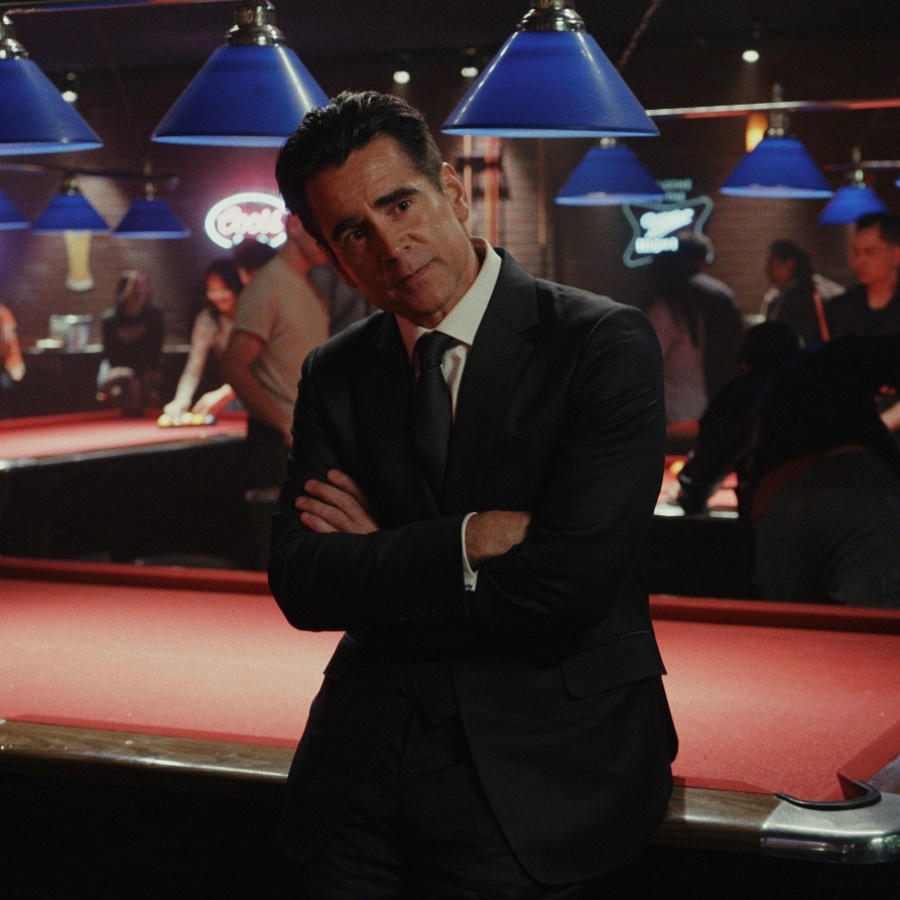
Inspired by actor, co-creator, writer, and executive producer Michelle Buteau’s acclaimed book of essays of the same name, Survival of the Thickest illustrates what happens when you stop shrinking yourself to fit into a world that wasn’t built for you. Across three seasons, Buteau’s irrepressible protagonist, Mavis, does away with antiquated rules, burning the traditional fat-girl style handbook to the ground.
In an industry notoriously hostile to body diversity, her wardrobe is loud and an unapologetic declaration of presence. She eats prints for breakfast and makes sure that sometimes they clash too, quite gloriously. Professionally, her mission is to ensure that the “fattie baddies” and “oddie bodies” feel seen, celebrated, and show the bird to societal standards. As a black woman navigating an industry built on white, Eurocentric, and sample-size ideals, Mavis understands that her very presence in these spaces is already seen as disruptive. Rather than softening her edges, costume designer Keia Bounds ensures her wardrobe acts as an unapologetic declaration of visibility.

In season two, Mavis opens a boutique of her own, which she envisions as a haven for community and radical inclusivity. It’s a space where she dresses everyone from a nostalgic supermodel afraid to embrace growing older to a trans drag queen in the wedding gown of her dreams.

In its final season, the show’s sartorial drama hits a fever pitch. Mavis’s wardrobe becomes a masterclass in tactile maximalism and pattern play. She cycles through graphic polka dots, plaid, abstract prints, and, yes, those once-forbidden stripes. But it doesn’t stop at just colours and prints; it leans into physical texture. She moves through her world wrapped in fringes, satins, plissé, ruffles, and plush fur. This head-turning approach reaches its zenith when Mavis takes on an established luxury designer at Paris Fashion Week. After discovering her original design was stolen—a familiar story for creators of colour whose work is co-opted by institutional fashion—she doesn’t retreat. Instead, she stages a renegade runway show in Paris, taking her final bow in a beret. Completely unbothered by fashion snobbery, she claims the cliché of ‘American girl who loves berets’ with total ownership, turning a tourist trope into a victory lap for those on the fringes of fashion.

What makes Mavis’s style so compelling is that it isn’t surface-level vanity. As she navigates heavy personal turmoil this season—including the painful and emotionally taxing journey of trying to conceive—dopamine dressing serves as her personal armour against a world that demands women of colour remain stoic and muted. When life feels overwhelming, her clothes don’t contract; they expand. I don’t know about you, but on days when getting out of bed feels difficult, wearing colour can sometimes make all the difference.

Yet, watching Mavis build this utopia feels almost radical when contrasted with the frustrating reality of shopping in 2026. While fashion marketing on our social feeds is loud about diversity, the actual retail experience tells a vastly different story. The “fat tax”, where larger sizes are marked up under the guise of extra fabric costs, remains alive and well. Even worse is the performative inclusion of homegrown fashion brands. I’ve lost count of how many labels boast about being “body-inclusive”, only for me to open the size charts and find a “4XL” that inexplicably caps out at a 38-inch bust. It’s a form of gaslighting where brands want the social capital of being progressive without doing the work of actual patternmaking for real bodies.

For anyone who has spent years unlearning restrictive styling rules or fighting with delusional size charts, Mavis Beaumont isn’t just a fun TV character. Through her, Michelle Buteau proves that style isn’t about seeking approval from gatekeepers or editing yourself down to fit a narrow template. It’s about refusing to go quietly.

The Nod Newsletter

We're making your inbox interesting. Enter your email to get our best reads and exclusive insights from our editors delivered directly to you.