





If your idea of a good trip involves more than just saving cafes and ticking off “must-sees”, you’ll know this feeling. Standing under Tokyo’s neon-lit streets and wondering why everything still feels so ordered. Walking into a hotel in Sri Lanka where the building seems to disappear into the landscape. Or stepping into a centuries-old square in Uzbekistan and realising it somehow feels familiar, even if you’ve never been there before. If travel, for you, comes with questions like ‘why does this feel this way?’, then a trip via Three Flaneurs might be exactly the kind of thing you didn’t know you needed.
The design collective, which was initially founded by three friends, over time evolved into a two-member practice headed by architects Ekta Idnany and Sahil Latheef, who met as students at Kamla Raheja Institute in Mumbai. What started as a shared interest in architecture turned into a very specific way of travelling. After graduation, the two went their separate ways—Idnany pursuing a Master’s in Architecture and Design Theory at the Ohio State University in the US, and Latheef heading to Europe to study Architectural Design at the Berlage Institute in Rotterdam—but the habit stuck. They travelled constantly, often structuring their trips around storied buildings, architectural cities, and the way spaces work.
“We had this travel bug…like a proper keeda,” Idnany says, and it wasn’t just about going places. “Most of the travel that we did at that point was really looking at architecture.” That meant spending time in places rather than rushing through them, paying attention to how cities function beyond the obvious, whether it was walking through Bawa’s Sri Lanka or tracing design histories in Gaudi’s Spain.
“We used to travel a lot with friends…and the intent was always to look at a lot of design.” This was also before travel became something you curated for social media. “Social media was very nascent, so it used to be mostly through blogs,” the duo says, recalling trips to Japan, China and Morocco that were driven more by curiosity than by trend.
Eventually, friends started asking for their itineraries. Then more people did. “We used to keep getting these requests and that’s when we said, okay, let’s throw this open.” Three Flaneurs grew out of that moment, built around the idea of travelling slowly. They kicked off the venture in 2018 with a design trip to Sri Lanka.
Their trips are not your standard guided tours. Most are about a week long and built around a theme rather than a checklist. The groups are intentionally small, usually between 10 to 20 people, which keeps things flexible and allows for a more immersive experience. The audience is also fairly niche—architecture students, designers, mid-career professionals—but increasingly includes people who may not come from the field and are simply curious about how spaces shape everyday life. “The idea is to really observe, to really experience. We believe in doing it like the locals,” Latheef explains. “In places where we can, we try to use the metro and buses so that we have an understanding of the city as an everyday lived experience.”
Before each trip, participants are introduced to the city through sessions that unpack its history and design context. Once you’re there, the pace can be surprisingly intense. “You end up spending a whole day trying to visit one or two projects, which a general tourist package would never do,” Latheef says. It’s slower, more focused, and, yes, tiring. “People generally say they need a vacation after those trips because they’re so hard,” Idnany laughs.
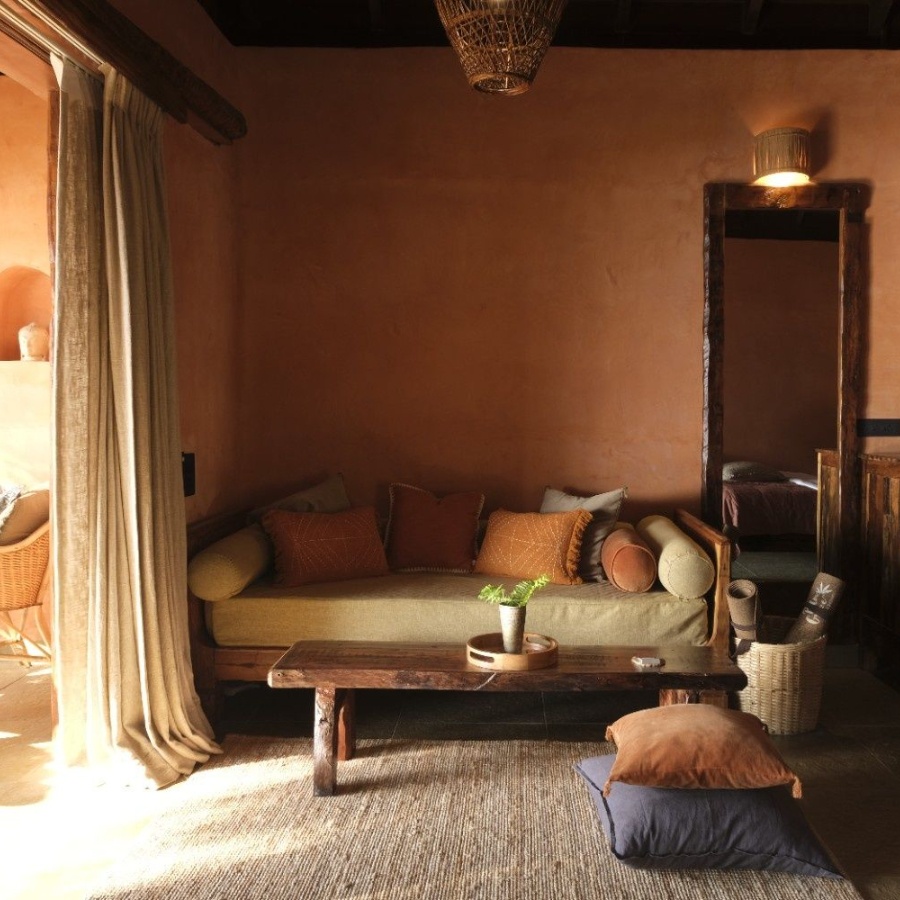
What really makes these trips stand out is how they quietly shift your focus within places you think you already know. Take Sri Lanka. On paper, it has everything you’d expect. Coastlines, slow mornings, that easy, unhurried pace. You might find yourself spotting the neighbourhood bread man or settling into that rhythm. But alongside all of this, you might find yourself staying at or walking through spaces like the Lighthouse Hotel in Galle or visiting private gardens and residences that reveal how design responds to climate and landscape. While Geoffrey Bawa is a key reference, the trip also includes visiting and inspecting sites designed by Sri Lankan architects like Anjalendran and Palinda Kannangara. They won’t share the budget you need to plan this trip, but judging by the itinerary, which sounds relaxed and luxurious, the trip seems designed for architecture-obsessed high earners.