




The Nod, in collaboration with Singapore Tourism Board, brings you 'Off-Book'—an exclusive content series uncovering a more layered, beyond the usual side of Singapore. Discover the content destination here.
What does it really mean to live like a local in Singapore? In this intimate conversation, Renjie Wong—chef, photographer and founder of cultural space 52cc—invites us into the rituals that shape everyday life on the island. From Mahjong as social glue and wet-market-to-table breakfasts to a gritty, colourful counterpoint to the city’s “squeaky clean” image, this is Singapore as only a local knows it.
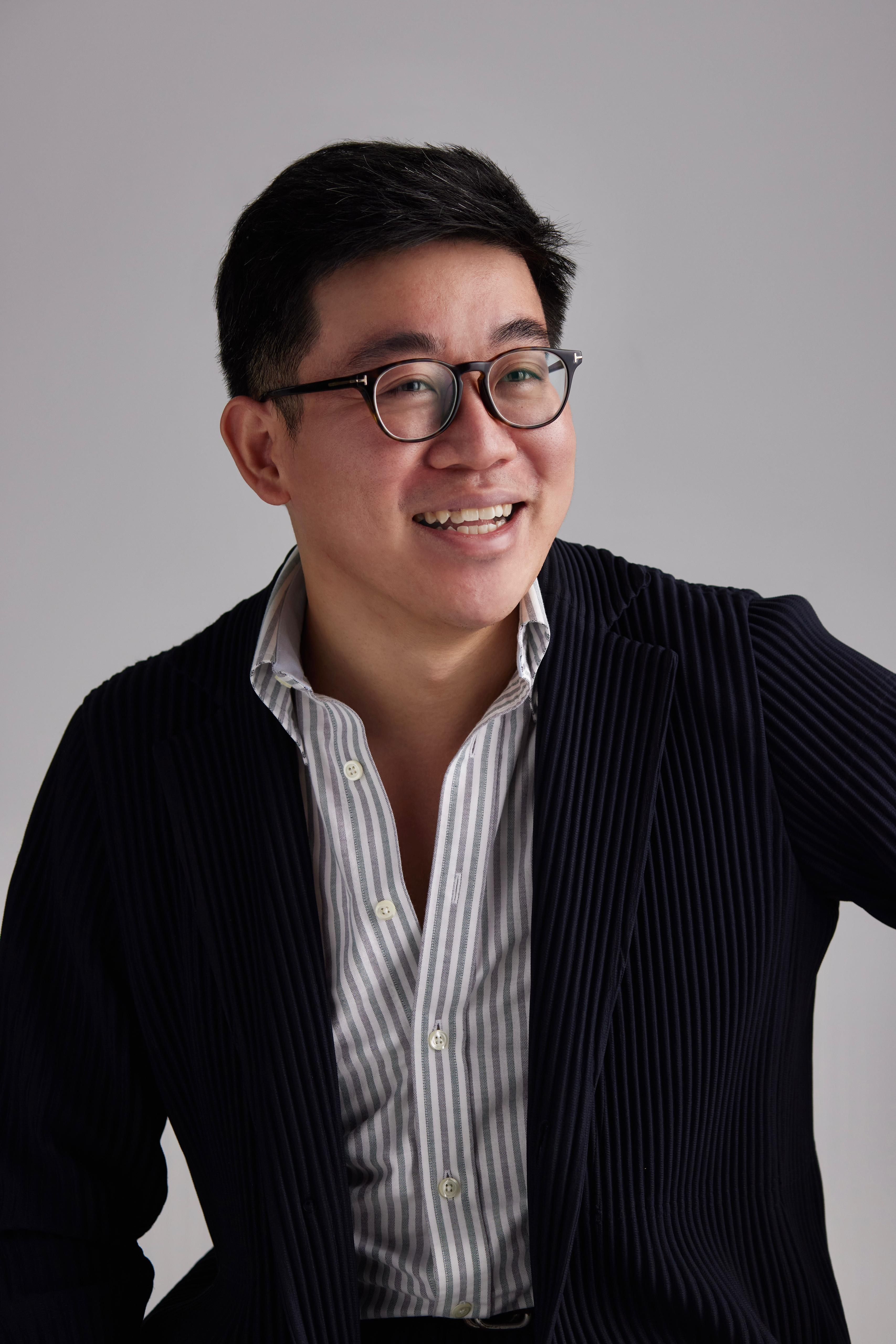
At the heart of Wong’s approach is a belief in experiencing Singapore through everyday life rather than landmarks—then elevating it through curation and conversation. That belief now takes physical form in his newest project, 52cc, which will open later this year in Joo Chiat. Conceived as a space for supper clubs, photography exhibitions and a small gallery of antiques and design objects, it will offer a more immersive, reflective way into the city’s lived rhythms.
You recently moved back to Singapore over a long stint living overseas. What does “local Singapore” mean to you now?
I think people often arrive in Singapore expecting the big things. Gardens by the Bay, Sentosa, the Night Safari, the skyline. And those are great. For me, what makes Singapore special are the small moments you notice when you slow down. That’s where the texture lives—in the everyday contrasts of people making things happen in a big city.
Are there particular neighbourhoods where that lived texture reveals itself most clearly?
Singapore is really a pastiche of neighbourhoods, and you see that most clearly once you step outside the city centre.
I live in Joo Chiat, the old Peranakan precinct just beyond the city core, and it tells Singapore’s story beautifully. The Peranakans are a subculture unique to the region—a blend of the many cultures that have shaped the island. Historically, many were prosperous merchants, which explains the beautiful buildings that were once shops, houses and seaside bungalows.
Walking down Joo Chiat Road, you see Singapore evolve on a single street: early shophouses give way to ornate Peranakan homes, then mid-century Art Deco buildings with a tropical modernist edge. Chinese, Malay, Victorian and colonial influences sit side by side. Some have even been converted into home museums.
At the same time, restaurants, bars, cafés and local coffee shops—including several recognised by the Michelin Guide—coexist naturally. I always bring friends here because it’s so emblematic of Singapore on a small scale.
Where does your day in Joo Chiat begin?
There’s a wonderful café called 174Bingo. It feels less like a café and more like a stylish friend’s home: a big communal table, dried flowers, thoughtful bakes—including some of the best pain suisse I’ve had in Singapore—and excellent sourdough (my mother agrees). It makes you rethink what a café experience could be: nothing flashy, but deeply local.
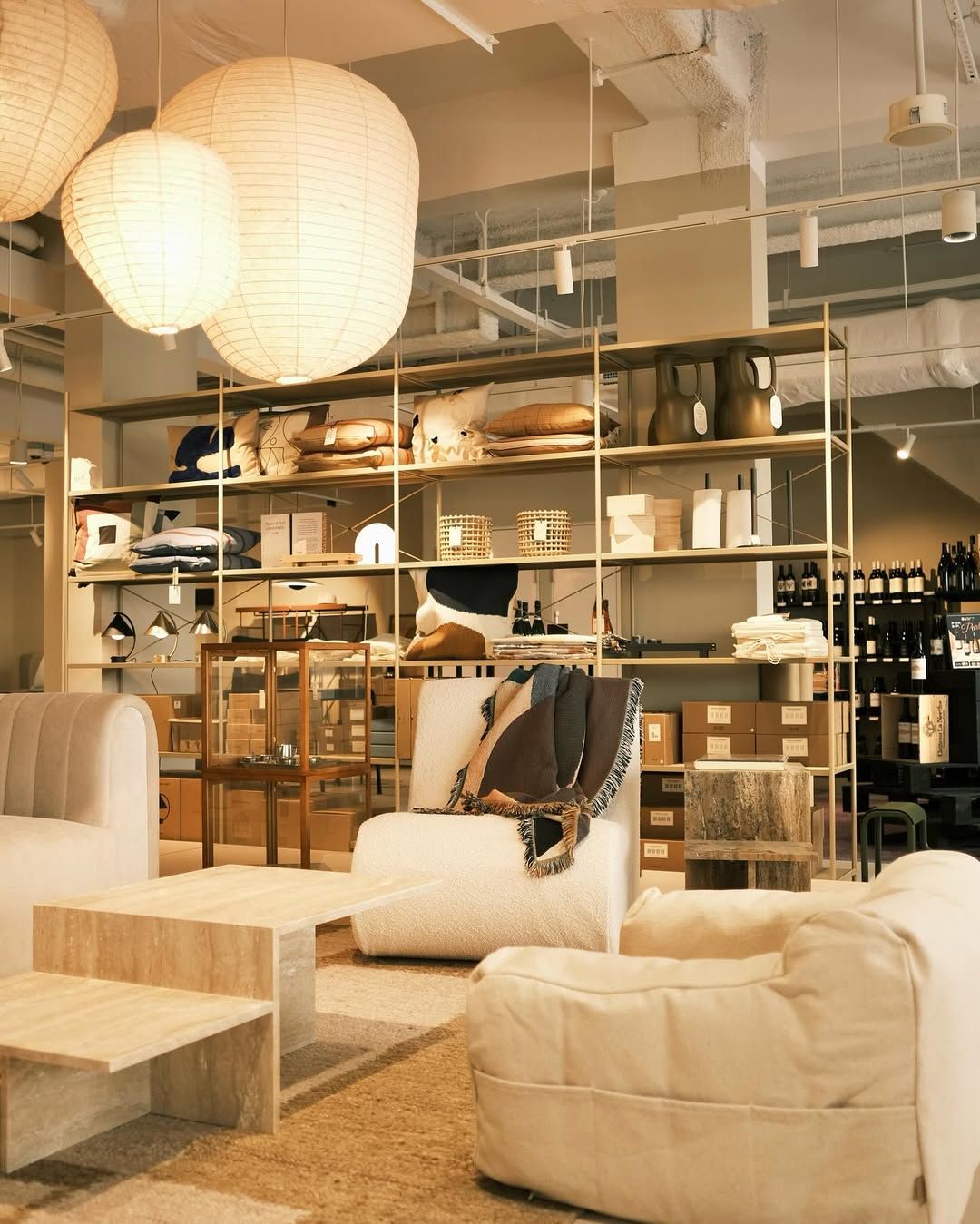
Another design stop I love is Grafunkt. Housed in a three-storey, late Art Deco building from the 1950s—once a hotel, later a bank—it reflects a time when Joo Chiat was a fashionable weekend destination. Grafunkt feels like a compact department store, each floor unfolding differently, with mid-century furniture, antiques and Japanese artisanal crafts. Many people walk right past it, because they’re busy photographing the colourful Peranakan shophouses nearby.
How are you re-integrating as a local?
With the luxury of time, I’ve been able to slow down. I notice the small details that feel deeply Singaporean: the distinctive sight of soy sauce vials on a coffee shop table, the white pepper people sprinkle over soft-boiled eggs, paired with kaya toast. It says so much about how we begin our days.
Or the scripts and typography in Little India, Chinatown and Kampong Glam. The tiles that make up the five-foot ways. These are the things I gravitate towards in my photography now.
Food seems to be one of the most powerful ways into local life. Is there a ritual visitors shouldn’t miss?
Going to a wet market that’s attached to a hawker centre. In Singapore, this is very common. You shop downstairs at the wet market, then eat upstairs at the hawker centre, where a multitude of local dishes compete for attention. A great example is Tiong Bahru Market, where locals buy produce for their everyday needs and then queue for their favourite food stalls.
My breakfast there is Jian Bo Shui Kueh (steamed rice cakes with sundried and fermented daikon, which is like mooli, cooked down in shallot oil and a spicy sambal) followed by traditional Singaporean kopi made with dark-roasted robusta beans and condensed milk at Kopi Museum.
At the wet market, you see the Malay ingredients, the Indian, Chinese and Western ones—it really gives you a sense of the larder of the nation. They say the easiest way to start a fight among Singaporeans is to tell them where your favourite chicken rice is [laughs.] That’s sure to cause an uproar.
Which is your favourite bar in Singapore?
Laut. It’s a tiny speakeasy-style bar with about ten seats, open four days a week, hidden inside Fortune Centre, a 1970s mall known for its Chinese vegetarian Buddhist food. The building is full of feng shui shops and Buddhist masters you can consult about your life, yet in recent years it’s also quietly rejuvenated itself.
Laut’s cocktails draw on Singapore’s maritime heritage using regional ingredients—a unique and intimate venue loved by locals and creatives.
There’s also Tsumiki, a Japanese bakery that’s consistently sold out, and Paraphrase, a popular sake bar and bistro.
Singapore often gets described as overly polished. I recently read about Everyday Tour Company’s architecture-led tours that explore public housing in Singapore. Are there more such experiences?
Geylang at sundown, without question. Singapore’s legal red-light district is also one of its most fascinating and vibrant neighbourhoods. It’s one of the food capitals of our country. So, you'll see multi-generational-families, aunties, uncles, grandmas, grandpas tucking in and eating these wonderful clay pot noodles or frog leg porridge. It’s a part of Singapore that comes alive at night.
“Hush: Night Food Tour through Geylang” by Indie Singapore Tours does a thoughtful tour that explores the area with sensitivity and historical context, often through food, offering the casual visitor a lens to understand what is ultimately a very Singaporean part of the country.
Anything else that someone inclined to go off-the-beaten path should do?
Walk through Chinatown’s alleys. Look out for the clan associations. When people came from China 100 or 200 years ago, they formed these associations as community centres.
I love hearing the clacking of the Mahjong tiles when I walk along these alleys in the afternoons. It’s like the aural signature of Chinatown. In Singapore, playing Mahjong is a deeply domestic activity—you play with family, close friends. Whenever I hear it, I’m reminded of Chinese New Year or Sunday afternoon at my aunt’s house.
Tell us about any recent cultural shifts that continue to make Singapore feel alive and vibrant.
Over the past few years, Singaporeans have started turning their cultural gaze inwards. There was a time when everything revolved around international labels. Now there’s renewed pride in local culture without kitsch.
You can see this at New Bahru, a stunning lifestyle enclave by Lo & Behold Group. It brings together food, fashion and design rooted in Singaporean sensibilities. The Prawn Bisque Ramen at One Prawn & Co is excellent.
Where do you go to escape the city?
The Rail Corridor. It’s a former railway line turned green trail that runs from southern Singapore to the Malaysian border. You walk through the jungle, hear cicadas, and then, suddenly, you’re back in the city. Families, children, elderly walkers, everyone uses it.
This interview has been edited for brevity and clarity.