






You have probably bumped into an indie-bookstore-branded tote-bag-wearing, iced-matcha-sipping, Joan Didion-reading, Laufey-loving performative male. Maybe more than once. It’s the type that’s everywhere today. And it’s a type that perfectly fits The Catcher in the Rye’s Holden Caulfield’s definition of ‘phony’, if the JD Salinger classic was based in 2026.
We’ll be honest. Though we had heard of this 1951 novel, it never made it to our TBR list in the exploration of coming-of-age literature; Little Women and The Bell Jar still sit on top of our book pile, though. That was until last week, when we took it on as an assignment. We mean, if, even 75 years after its release, the millennials in the team were passionate fans of The Catcher in the Rye, it made obvious sense to read it.
At just 200-odd pages, this pocket-sized book is a manageable read even for those with an alarming screen time. Its conversational tone and unique vocabulary (adding “crumb-bum” to our arsenal of insults) may be one of the reasons for its popularity—the book has sold over 80 million copies since it released. The story follows two days in the life of the rebellious 16-year-old Holden Caulfield after his expulsion from his school, Pencey Preparatory Academy, and a fistfight with his roommate. Before his parents get word of his expulsion, he, on a whim, decides to take the train to New York. The boy bids goodbye to Mr Spencer, the one teacher he likes—he does not like a lot of things—and takes off.
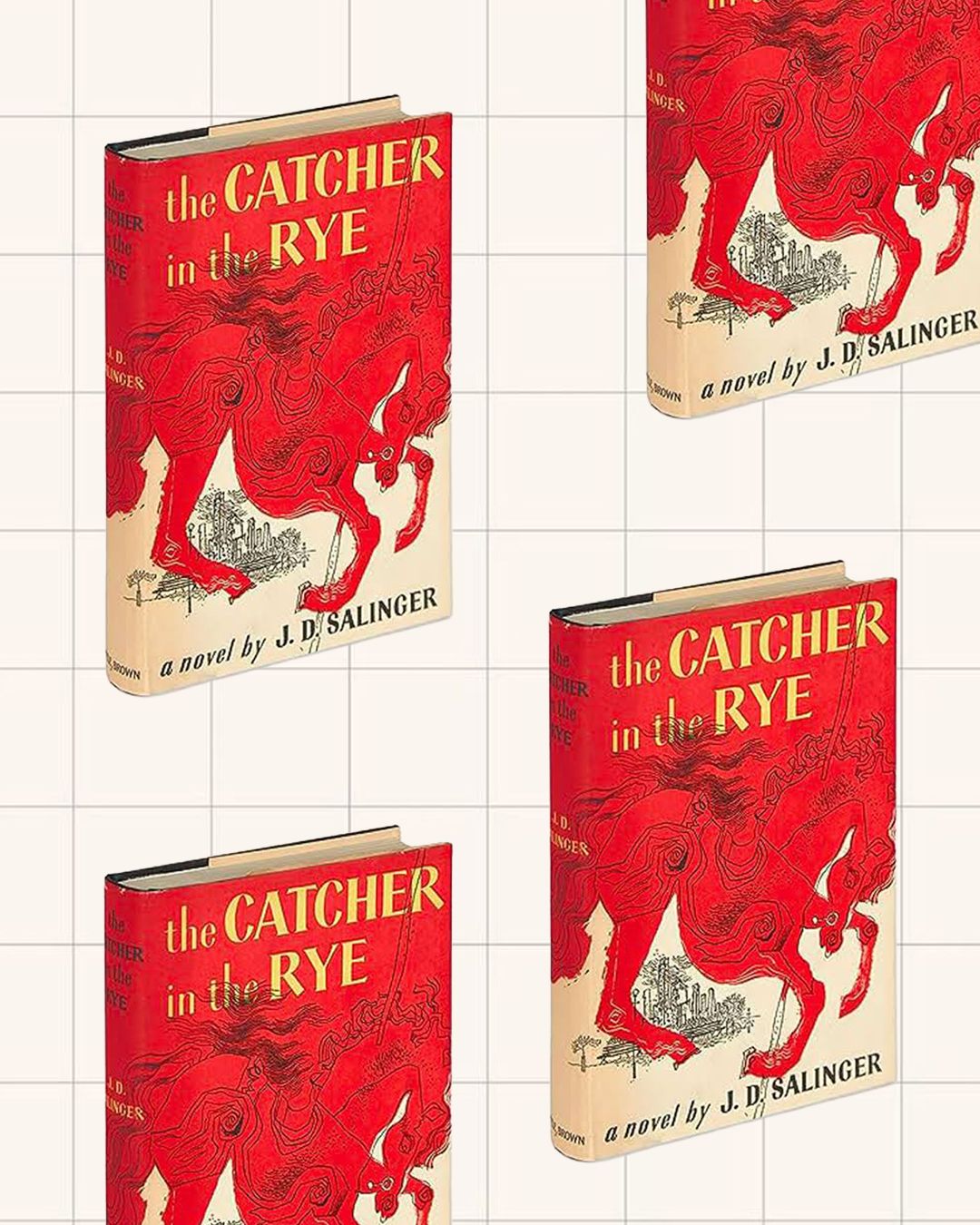
Grieving the loss of his brother, Caulfield struggles to find his place in the adult world, which he finds deeply hypocritical (“phony”). His world seems riddled with characters like elitist headmasters and wealthy undertakers who preach goodness while counting cash. He smokes cigarettes by the minute, thinks everyone is materialistic, and wanders New York City with a flâneur’s nonchalance. While we understand his love-hate relationship with 1950s Manhattan as he feels a sense of familiarity but also chaos, we would argue that Caulfield, with his cynicism and moral superiority, is probably the blueprint for this archetypal male that he professes to dislike so much.
“If you want to know the truth”, below, all the thoughts we had while reading the cult classic:
1. “If there’s one thing I hate, it’s the movies.” Of course Hollywood’s too mainstream for this guy. No wonder the book never got a movie adaptation.
2. Aww, it’s sweet that he’s seen Hitchcock’s The 39 Steps (need to add to our watch list) ten times with his little sister, Phoebe.
3. Boy, does he say ‘phony’ a lot. He uses the word 35 times to describe his peers—we counted.
4. There’s Caulfield telling his history teacher, Mr Spencer, that he’s “just going through a phase”. Legend.
5. The phonies at the bar “snowing” on girls is corny, but it’s apparently okay for him to tell his girlfriend, Sally, he loves her without meaning it. Hypocritical much?
6. Caulfield’s crew cut is the modern-day equivalent of a mullet—a performative male fave.
7. We wish Ernie’s was real. The Greenwich Village bar that the boy frequented with his Hollywood screenwriter brother DB sounds like the perfect, if slightly chaotic, night-out for jazz music. The music here, after all, has Caulfield’s rare seal of (semi) approval.
8. “I decided I’d take a room in a hotel in New York—some very inexpensive hotel and all.” Running away to New York on a whim? Staying in an “inexpensive” hotel room in Manhattan? 2026 can never.
9. Caulfield’s rich! He goes to Pencey Prep, has a typewriter (the MacBook Pro of that time), goes to New York and blows 180 dollars, but he hates materialistic people with dough. Truly performative of him.
10. “I have this tiny little tumour on the brain”. Why, Holden! Stop putting nazar on yourself. Also, it's crazy to make up an illness just to escape a conversation on the train.
11. Guys, he’s not like the other boys around him. His go-to drink, a scotch and soda, is so much more mature. So what if he has to make do with a Coke because no bartender is giving out drinks to a 16-year-old?
12. Caulfield, boy! Call Jane! Stop being so nonchalant about a past connection you still think about.
13. His quest to find the ducks in Central Park is incessant. When he does go to the lagoon, drunk and freezing, they’re not there. What better metaphor for his isolation?
14. He keeps on saying he’s depressed and sad, which feels like a cry for help, but also very self-aware of him. Talking about his feelings before people started talking about theirs? A real trend-setter.
15. Flunking out of multiple schools, hiring a prostitute just to talk, stumbling drunk through the city... Just teen angst? We don’t think so. He’s been through some serious stuff.
16. Caulfield’s grief for his late brother Allie explains his window-smashing, school-ditching antics. His little sister Phoebe asks Holden what he likes (after he only talks about the things he hates) and the only thing he can come up with is Allie. He’s stuck in the past and is holding up a neon sign for help. Somebody take him to therapy.
17. ICYMI the book’s core metaphor: the only other thing that Caulfield would like to do is be the “catcher” that protects children and their innocence because there was no one to catch or protect him.
18. TLDR: Holden Caulfield’s just a boy dealing with grief and depression. Unlikeable? Sure, at times. But still, a child who has been put through the wringer.