



Accessories20 Feb 20265 MIN

The Indian artisanal shoe is taking over our shoe closet

Ditch the sneaker, the new hype footwear is handcrafted in India

Disobedience footwear

A look from footwear brand Disobedience

In the summer of 2019, I found myself in a curious spot. At an event organised by a heritage sportswear label, a flock of sneakerheads convened in a circle, their heads bowed down in conversation as they pointed at each other’s feet and spouted sneaker models and collab names, with words like ‘rare’ and ‘grail’ injected generously—it was utterly confused. Dressed alike in baggy pants and graphic tees, the group seemed like a hive of streetwear-loving ants, each one the same but slightly different.

Since then, much has changed: A distinctive sense of style has become a new form of social currency, and supporting local design is cool. Riding this wave, a bevy of individualistic footwear brands are sprouting across the country, appealing to those looking for the non-boring shoe. Whether incorporating new-age materials, such as banana leather, or offering hyper-personalisation and one-of-a-kind design, these homegrown footwear brands are for those who favour craft over logos.

Last Made

Sometimes being in the thick of the industry is the best way to identify a gap. That’s what happened for Mumbai-based duo Arjun Dutt and Manpreet Kaur. Dutta, 31, a former model, has spent the last decade working in his family’s bespoke footwear business, while Kaur, 33, is a stylist and creative director who studied leather design in college. Their brand, Last Made, sprouted from their never-ending quest for a good homegrown shoe. The solution? They made it themselves.
“Last Made officially launched in 2024, but the groundwork started much earlier. At the time, a lot of people in the contemporary fashion space were dressing well, but footwear options were limited almost entirely to sneakers. There wasn’t a relevant space for shoes that could sit comfortably alongside the way people were actually dressing—mixing colour, prep and street, and a desire to look put together without feeling overdressed,” shares Dutta.

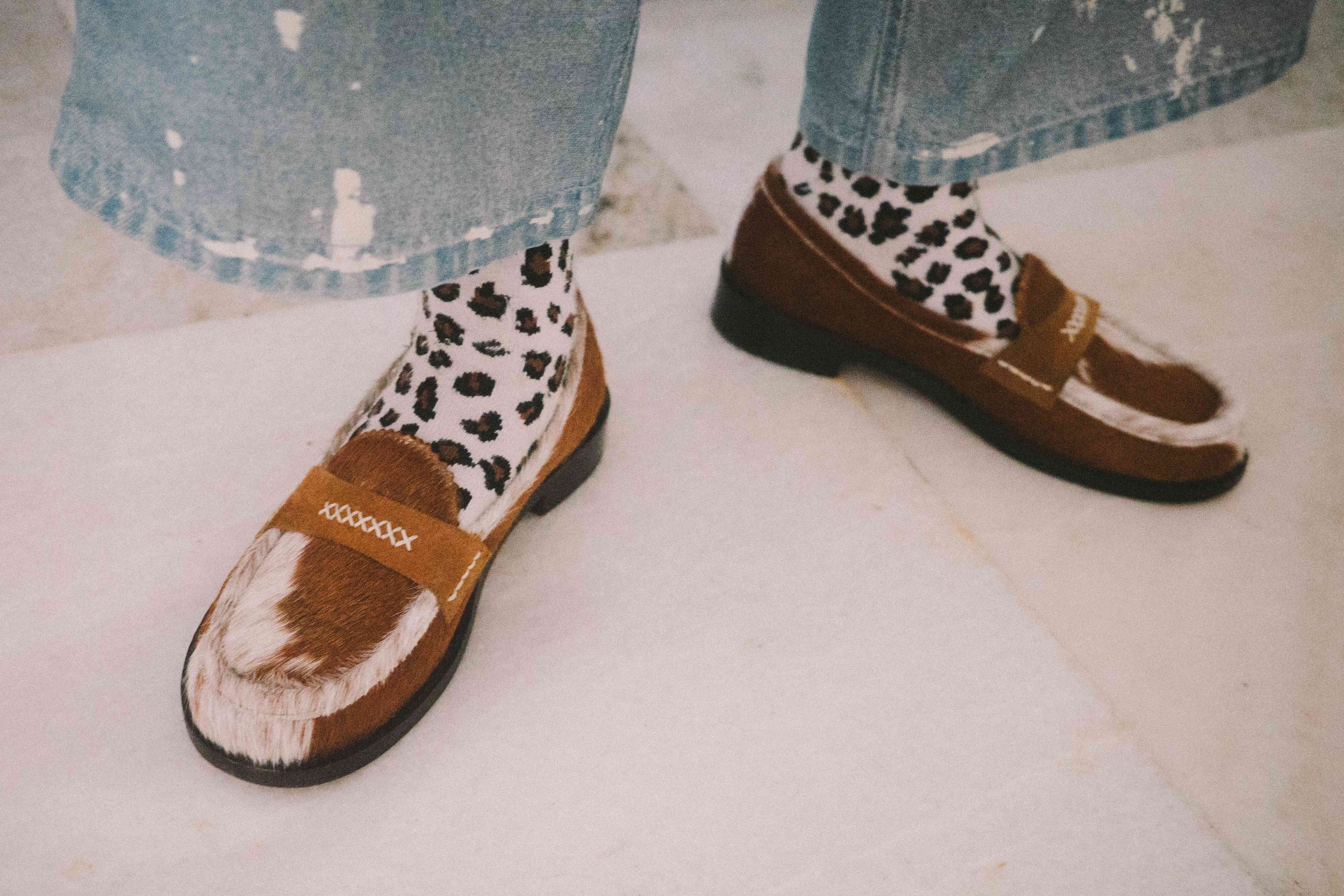
Appealing to teenagers and 85-year-olds alike, their whimsical shoes feature everything from a beaded fringe to floral appliqué work, and curious colour-blocking. Their first creation was a two-toe loafer silhouette, which is now available in multiple iterations. They operate on a system of small batches, with Instagram functioning as their storefront. “A big part of our design language comes from treating the shoe as an object, not just footwear. Sometimes that means reworking unexpected materials or fabrics that carry personal or cultural value, like cutting up a gingham tablecloth from my grandmother’s house, purposely ripping and scratching leathers to get the aged and distressed look, or finding small trims and details that add narrative and depth,” shares Kaur.

Shoes by Last Made

Last Made started retailing their handmade shows in 2024


Slash in Brackets

“While travelling through Vietnam a couple of years ago, I saw an image that stayed with me—a well-dressed woman standing tall in the middle of a crowded fruit market. She was calm, composed, and effortlessly herself. This blend of chaos and grace is what inspired our current collection,” shares Anamika Sethia, 29, co-founder of New Delhi-based footwear label, Slash in Brackets.

A NIFT alumna, Sethia went on to study luxury brand management and ended up working for Birkenstock. In 2025, she launched her brand with co-founder, 32-year-old Tanmay Batra. Their shoes come in classic silhouettes devoid of any embellishment, yet they’re anything but plain. Think: a sculptural mule in an au courant shade of buttermilk crafted with a carved heel. Or chunky Mary Janes in a cherry red evoking Dali-esque surrealism with their curved backs and angular block heels.

Everything is handcrafted in Delhi and the brand prides itself on using the highest quality, full-grain Argentinian leather from a certified environment-friendly tannery. Priced between ₹9,000 and ₹18,000, their offerings appeal to a diverse consumer base not just in India but also other fashion-forward cosmopolitan cities such as Bangkok and Ho Chi Minh City.

Like Last Made, Slash in Brackets also moves away from the traditional ‘seasonal collection’ model in favour of limited-edition drops, which are sold primarily through their website. “Worn in, aged beautifully, maybe with a bit of patina that tells their story—that’s the kind of longevity we design for,” says Sethia.

Disobedience

In just a few months, 43-year-old Anita Soundar’s Disobedience has quickly become an industry favourite, spotted in glossy fashion editorials and on the feet of stylists and actors alike. The former chemical engineer studied handbag design and later footwear design at several reputed institutes such as NIFT and the Central Footwear Technical Institute in Chennai. After exploring production units from Agra to Guangzhou, Soundar decided to start her own unit in a small space within her family’s chemical factory in Chennai, continuing to work her day job there while funding her dream.

One of her key goals was to create footwear with a smaller carbon footprint, which meant not using leather. “We have been speaking to a company that makes recycled nylon and polyester from discarded pet bottles. Similarly, we work with ahimsa silk. Organic cotton is sourced directly from weavers and NGOs from Bhuj that promote fair working conditions and pay. One of our collections contains cotton woven by autistic students from Vidya Sagar in Chennai,” shares Soundar.

Using innovative materials such as banana leather and repurposed teak wood is the brand’s USP, but their unique design makes the footwear feel more like art objects. Take her gladiator shoes, where the ankle strap is replaced with a tribal-inspired silver anklet. Or the goblet sandal, where the heel is made of carved teakwood. 

Slowness is introduced not only by way of materials but also processes; shoes by Disobedience are available on a pre-order basis only, and a pair can take up to 15 days to be ready. 

With a price range going up to ₹23,000, Soundar wants the consumer to view the pieces as a form of accessible luxury, revered for their complex, multi-step craftsmanship. “I’ve showcased my shoes before several multi-designer retail stalwarts in the country but often they find my pieces too ‘design-forward’ and not appealing to the bridal market. While these experiences are often disappointing, I’ve realised that I’m creating for the cognizant consumer who values intention, somebody excited to wear a stainless-steel heel to a cafe.”

The Nod Newsletter

We're making your inbox interesting. Enter your email to get our best reads and exclusive insights from our editors delivered directly to you.