



The Real Deal16 Feb 20266 MIN

How millennials made diamonds an everyday habit

From tennis stacks to trackpant pairings, millennials are rewriting when—and how—natural diamonds get worn

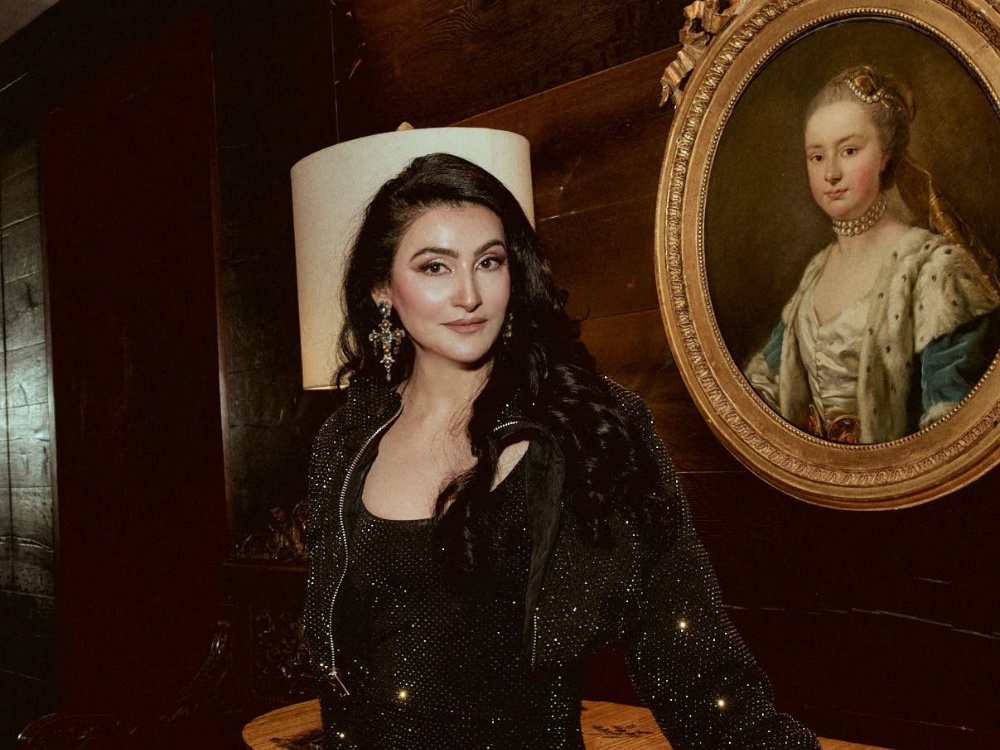
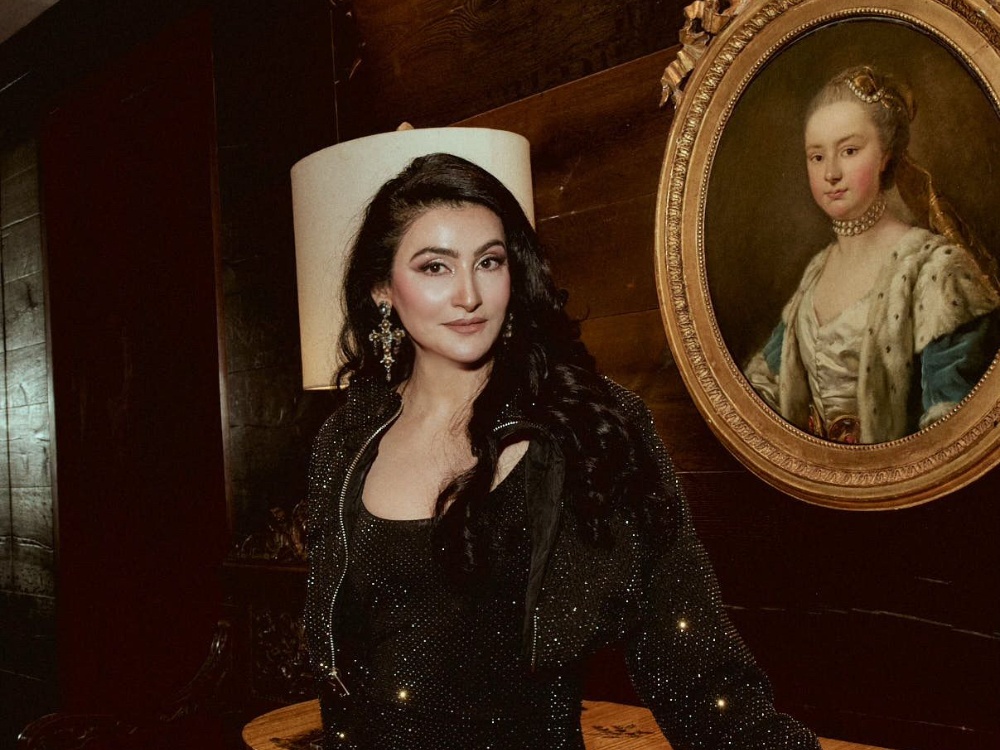
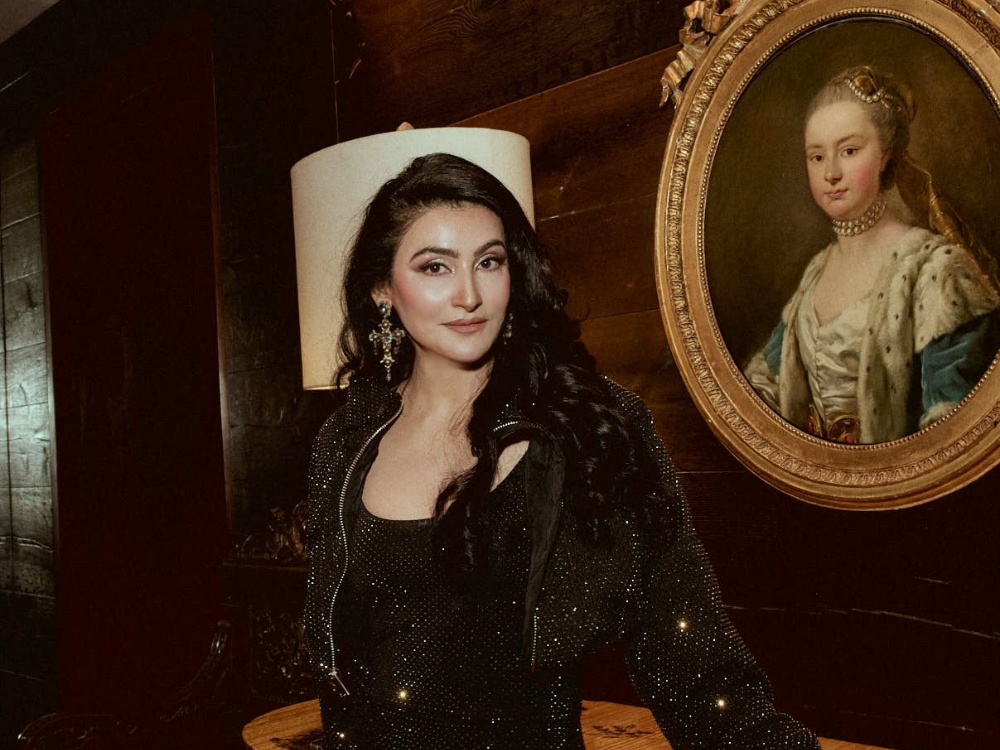
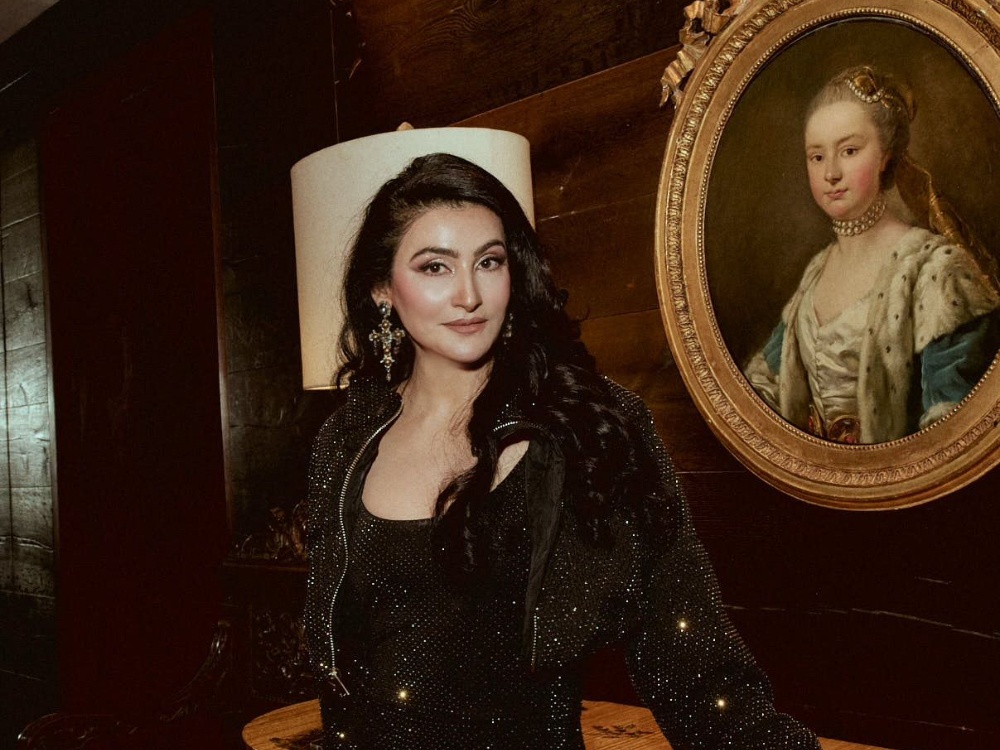
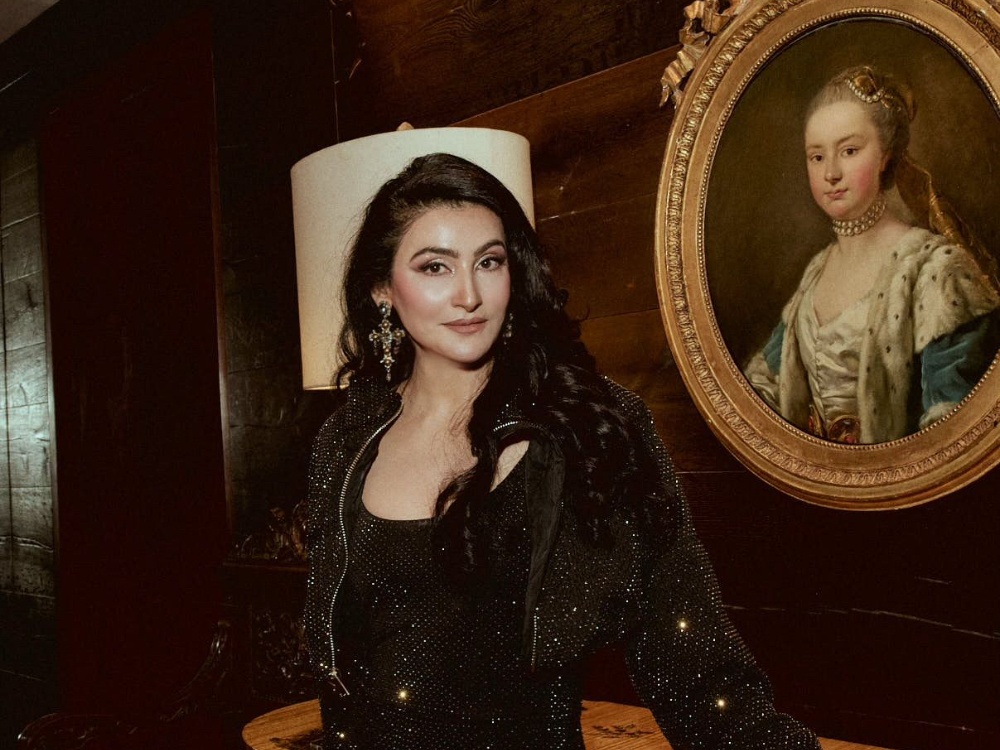
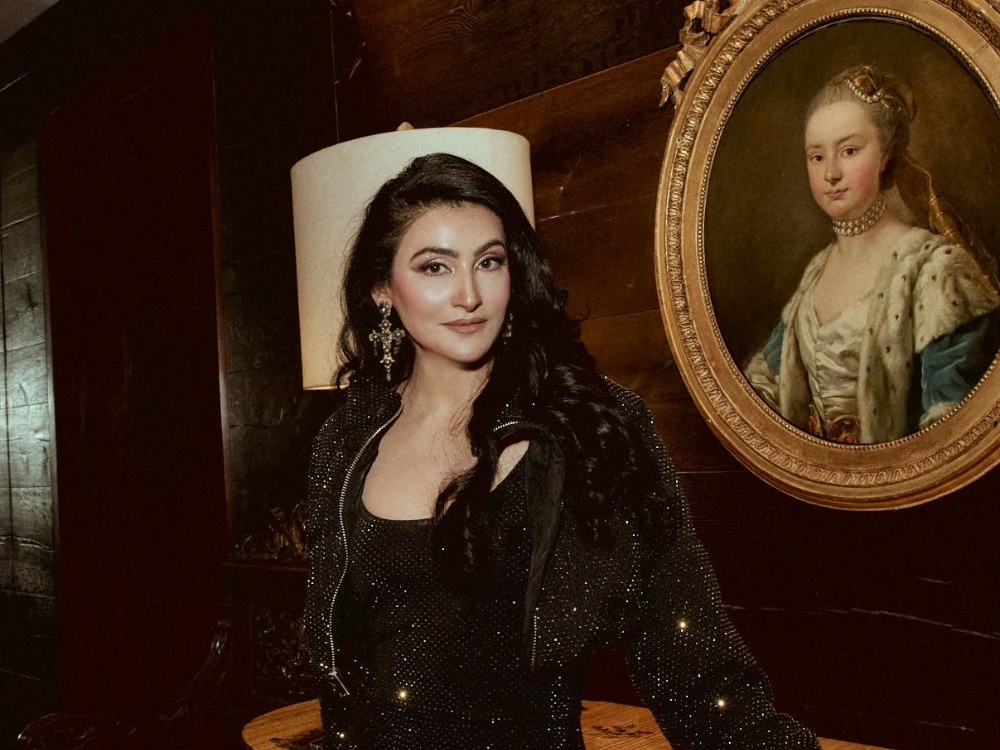
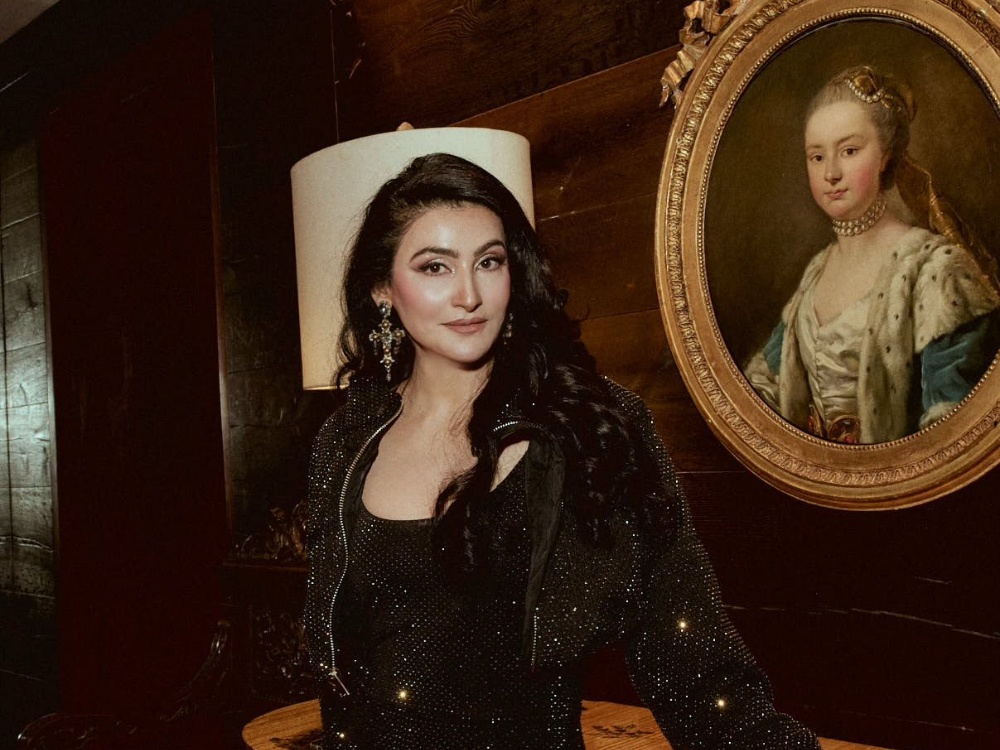
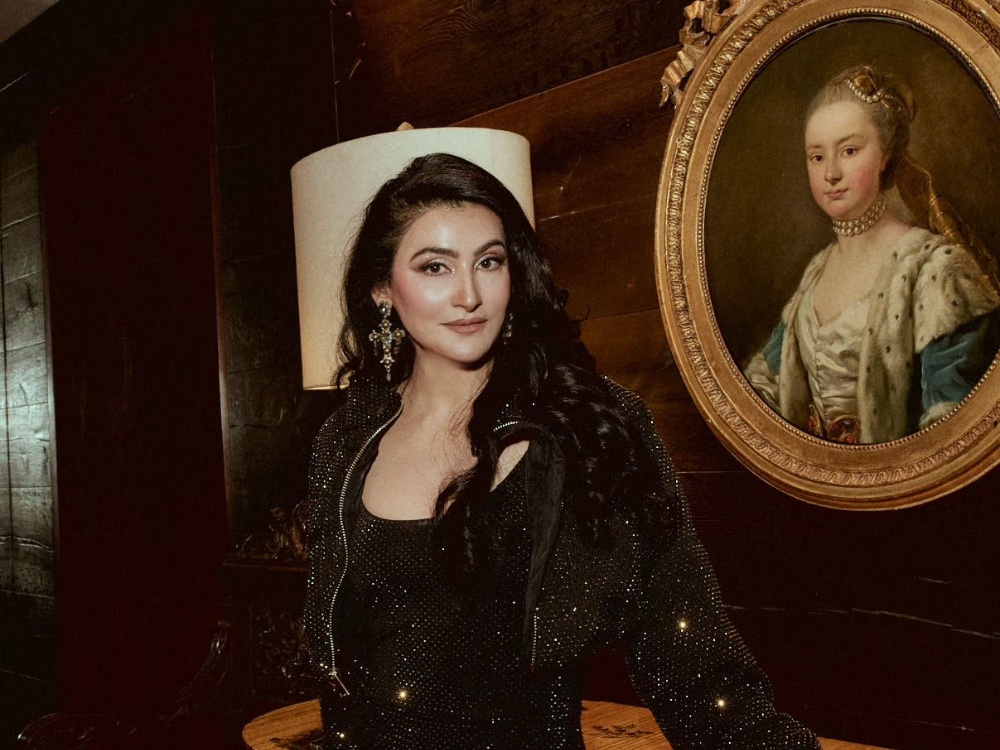
Millenial Diamonds featured image

Growing up, we watched our mums reserve their treasured natural diamond jewellery for special days. These family heirlooms, carefully stored in lockers, made their rare appearance only on “worthy” occasions: a wedding, a milestone anniversary, or on festivals.

Millennials, however, have flipped the script. Not waiting for permission or an occasion, they’re wearing diamonds everywhere—from corporate lunches to weekly “I survived this week” girl dinners. The “once-in-a-lifetime” psyche has shifted. It’s the era of the democratised diamonds, where jewellery is self-bought, re-styled, stacked, and proudly unboxed from velvety cases without excuse. We spoke to casual diamond wearers to ask how they’re shopping and styling theirs today.

Everyday is occasion enough

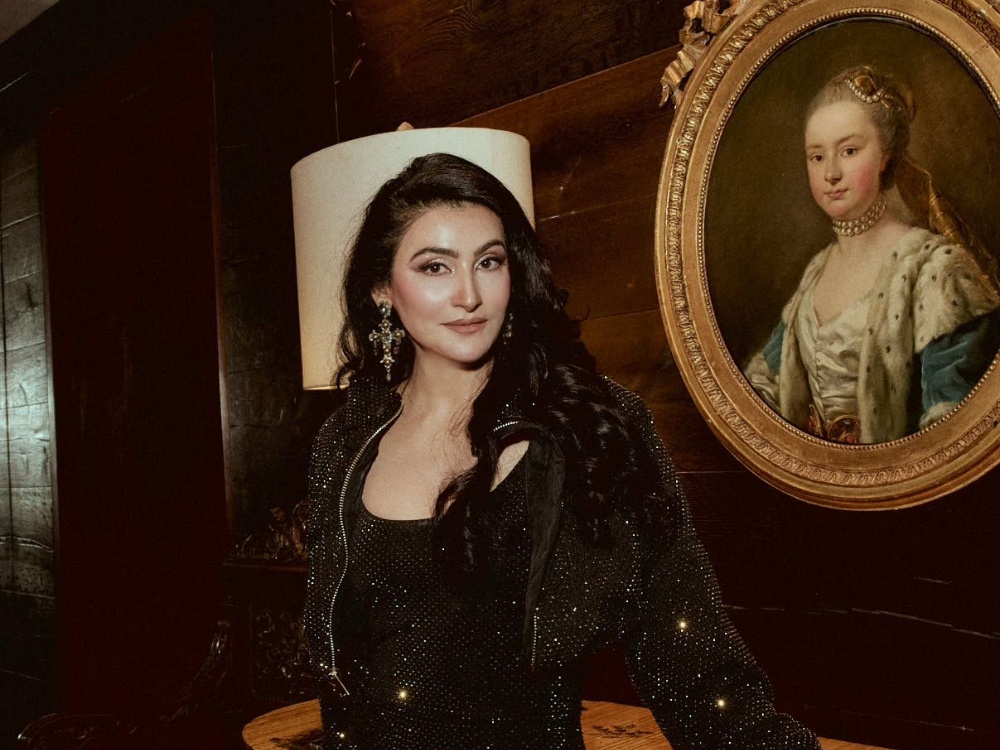
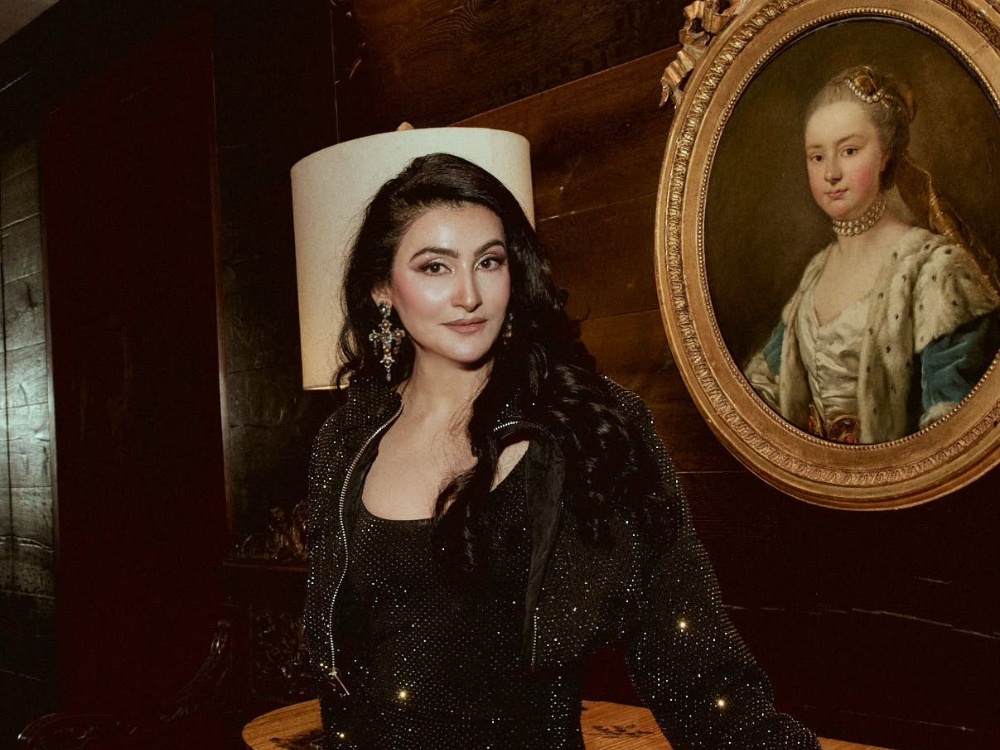
“The tables have definitely turned,” says luxury lifestyle influencer Richa Begani, whose husband is in the jewellery business. “Instead of buying big necklaces and chunky earrings for weddings, people are now going for more wearable pieces. Even our parents want to wear what we buy because they too prefer daintier options.”

Begani points to tennis bracelets and necklaces, simple pendants, earrings, and earcuffs as popular examples. “Diamond earcuffs are really in style—the younger crowd loves them. Millennials are collecting them to pass down to their daughters, because they know it’s something they would be able to wear every single day.”

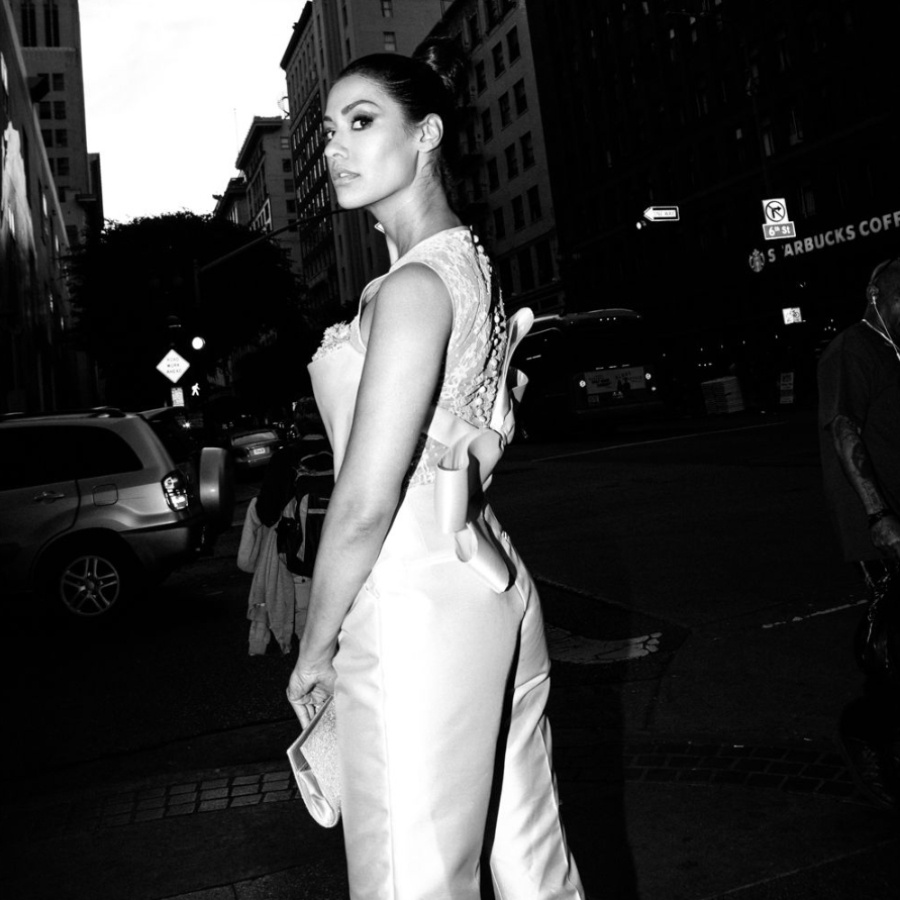
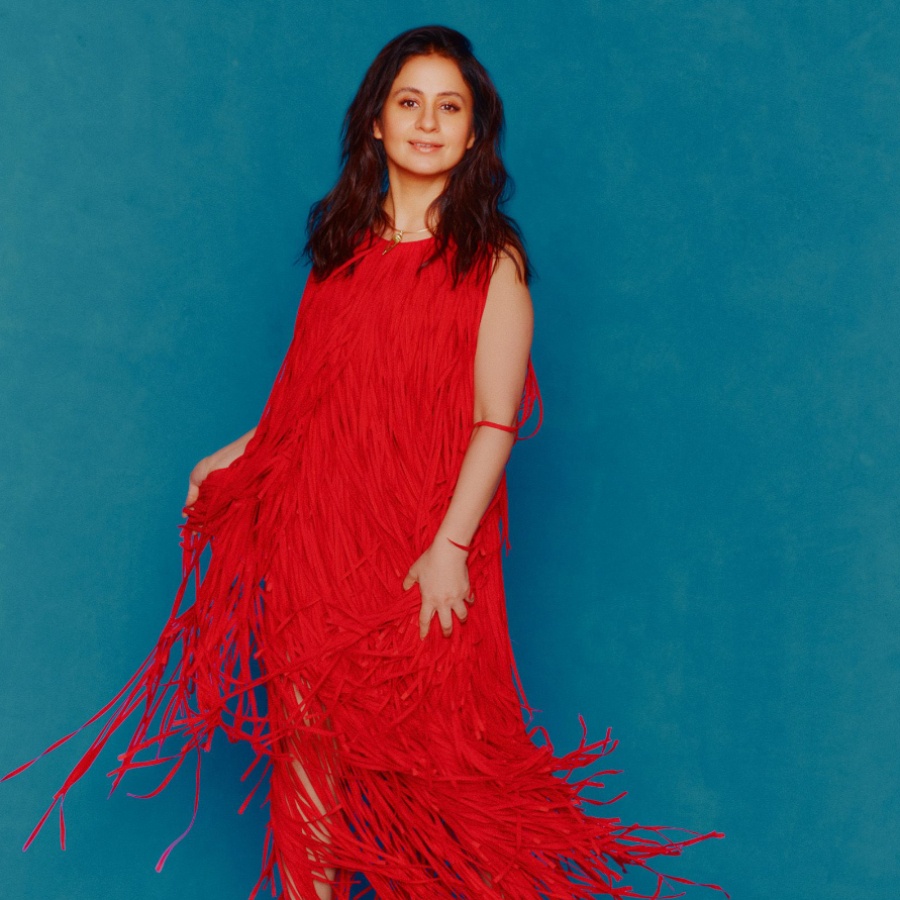
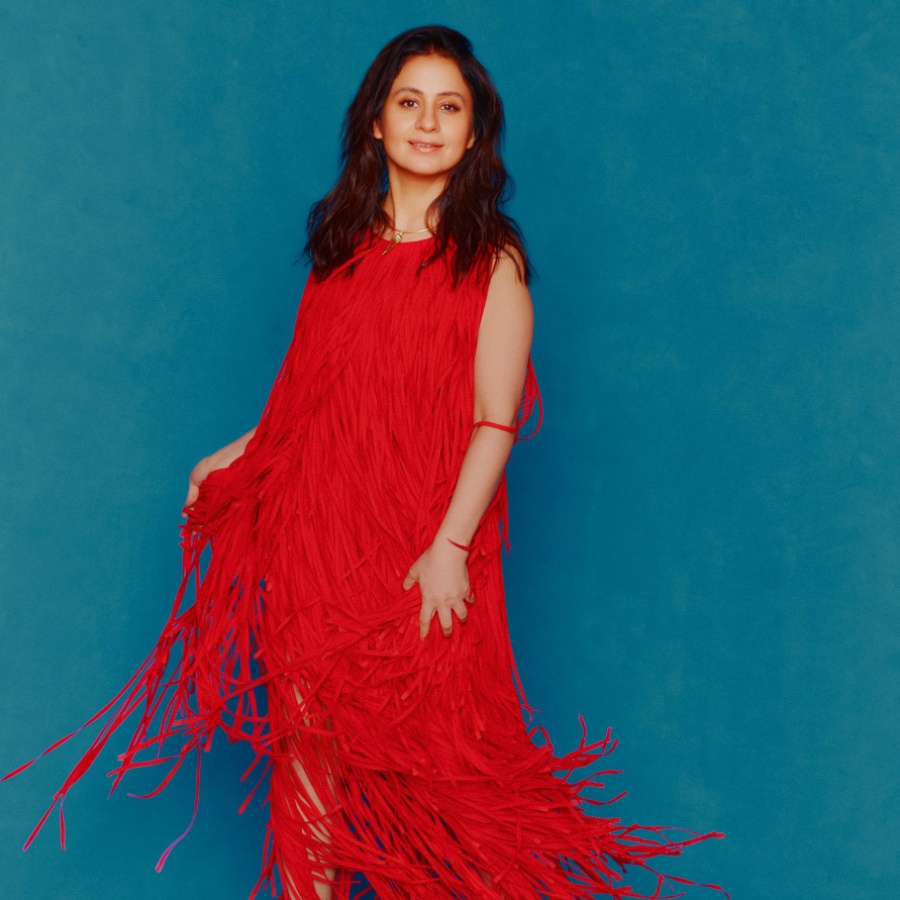
Nadine Dhody, founder of her eponymous luxury artisanal clothing brand, agrees with this newfound approach. “I think millennials are smart about how and what they choose to spend their money on—and if you’re investing in jewellery, then why not in pieces that have more wearability? You might as well enjoy what you buy instead of keeping them locked away. ”

Styling the stack

Younger buyers are also styling their diamonds differently, prioritising comfort and customisation over heirloom statement pieces. Take Dhody for instance. She inherited her grandmum’s jewellery collection. The star piece is an antique uncut jadau necklace with a meenakari setting—a rare find today. “It’s made so beautifully. That kind of workmanship doesn’t exist today. I cherish what I inherited from her, but I gravitate towards more modern designs and pieces.”
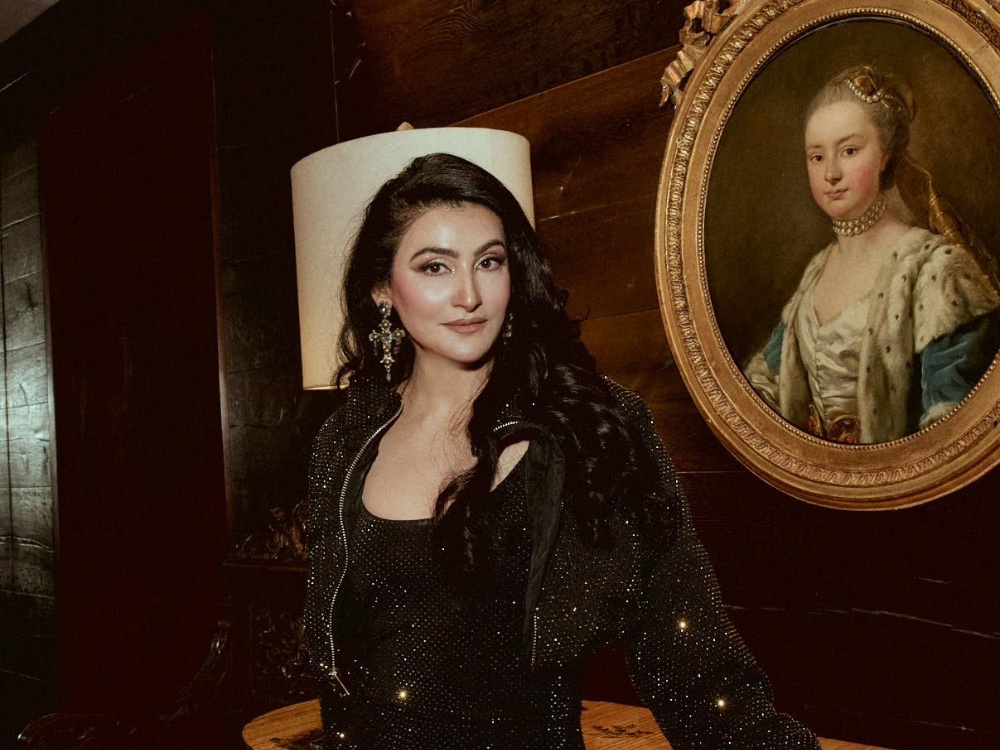
Her personal rotation includes the classics: natural diamond solitaires, her wedding band, and a heart-shaped solitaire gifted to her by her husband. “I personally don’t like to be super OTT, but these pieces instantly elevate any outfit. I’m looking to add more wearable pieces to my collection, starting with necklaces and rings that can be stacked and layered. Mixing and matching is so personal—it really adds so much character to any look.”

Dhody keeps her daily stack more understated. “My engagement band is part of my everyday wardrobe. If I’m running errands around town, I’m very casual. But if I’m going out to lunch, dinner or an event, I enjoy pulling out a few classic pieces I wear on repeat.” Begani sits on the opposite end of the spectrum with a maximalist streak. “My mother-in-law and grandmother-in-law stick to solitaires, maybe a bracelet and ring for weddings. But I’ll go all out—choker, big earrings, necklace, all with natural diamonds—everything! Daily, I’m minimal, but for occasions I love drama. It depends on personality.”

Having a partner in the business helps. “I turn muse for new designs that come into the store. I make sure I’m wearing something different at every event.” Her go-to is a thick natural diamond band featuring pear, marquise, and emerald cuts. “I wear it every day, from lunches to cocktail parties, and it still feels statement.”

The flaunting is not restricted to exclusively traditional or Western wear. Her diamonds extend into casualwear, too, as she comfortably pairs them even with trackpants. “I’ll pair the same ring stack with Indian and Western outfits—I just swap out the earrings. With Western looks, it’s cuffs or colourful diamond studs. I love a diamond choker and tiny studs with a suit.”

The end of the family committee

Initially, buying behaviour was hardly individualistic, with store visits treated as a collective family exercise. Dhody recalls wedding shopping over a decade ago with guidance from her mother and in-laws. “The few pre-wedding diamond pieces gifted to me—statement earrings and versatile cocktail rings—are still the ones I get compliments on.”

Family remains influential, but autonomy is growing. “I still see wedding shoppers come in with a full hierarchy of mothers, in-laws, and fiancés who help them pick diamonds,” Begani says. “But younger women know what they want. They’re buying pieces they can reuse. Earlier, families chose jewellery you could only wear with heavy Indian attire. Now girls buying everyday natural diamonds don’t need permission or approval—they pick what they like.”

A natural choice

While wearability leads the conversation, the allure of natural diamonds remains intact. For Dhody, it’s about legacy. “The fact that I will be passing my diamonds on to my daughters will always be on my mind,” she explains.

For Begani, opting for natural diamonds is a no-brainer, almost instinctive. “Everybody loves a natural diamond; that’s never going to go out of style, ever. They feel timeless and generational. It’s an Indian mindset—we’ve seen our families buy them, and we continue the tradition. It’s something that will always be there.” The trust factor does not go unnoticed, either. “I think trust comes from time and truth. Natural diamonds are not a recent invention or a trend. They’ve been a part of families, heirlooms, and milestones for generations. When someone chooses a natural diamond, they’re not just buying a stone; they’re buying into history.” Begani also appreciates the reassurance and emotional value that the stone offers. “There’s also a sense of transparency with regards to where natural diamonds come from, how they’re graded, and why they hold value, especially when the purchase is tied to something deeply emotional, like a marriage, an anniversary, or a legacy piece.”

As someone closely associated with the jewellery business, Begani points to customers’ clear preference for natural diamonds. “Especially when the purchase is emotionally significant,” she says. “While some customers do explore alternatives out of curiosity or budget considerations, many ultimately return to natural diamonds when it comes to the final piece. One friend told us they realised the ring would one day be passed down and that thought alone made them want something timeless and irreplaceable. Natural diamonds have an energy and symbolism that goes beyond aesthetics.”

Size isn’t the status symbol—clarity is

Bigger is no longer automatically better when it comes to millennials shopping for diamonds. They’d rather spend now on meaningful, smaller purchases than save up for the long-term pieces that may not make it to their daily wardrobe. “Millennials look more at the quality and clarity of a diamond versus the size,” says Begani. “You can buy a big stone, but if there’s a yellow or brown tinge, people don’t want it. They’d rather buy smaller diamonds with clean facets because that is an investment for their future as well.”

Nadine emphasises utility above all else. “Wearability should guide your first purchase. Jewellery should be worn and enjoyed, and not stored away collecting dust.”

And if diamonds are a girl’s best friend, it makes sense we’re meeting them far more often now.

The Nod Newsletter

We're making your inbox interesting. Enter your email to get our best reads and exclusive insights from our editors delivered directly to you.