



Fashion23 Mar 20265 MIN

In Aizawl, three designers offer an antidote to the fashion sceptics

Over cups of tea and 3 am conversations with designers Hannah Khiangte, Patricia Zadeng, and Escape Engmoia, I rediscovered the joy in fashion

Backstage at the Aizawl Design Project

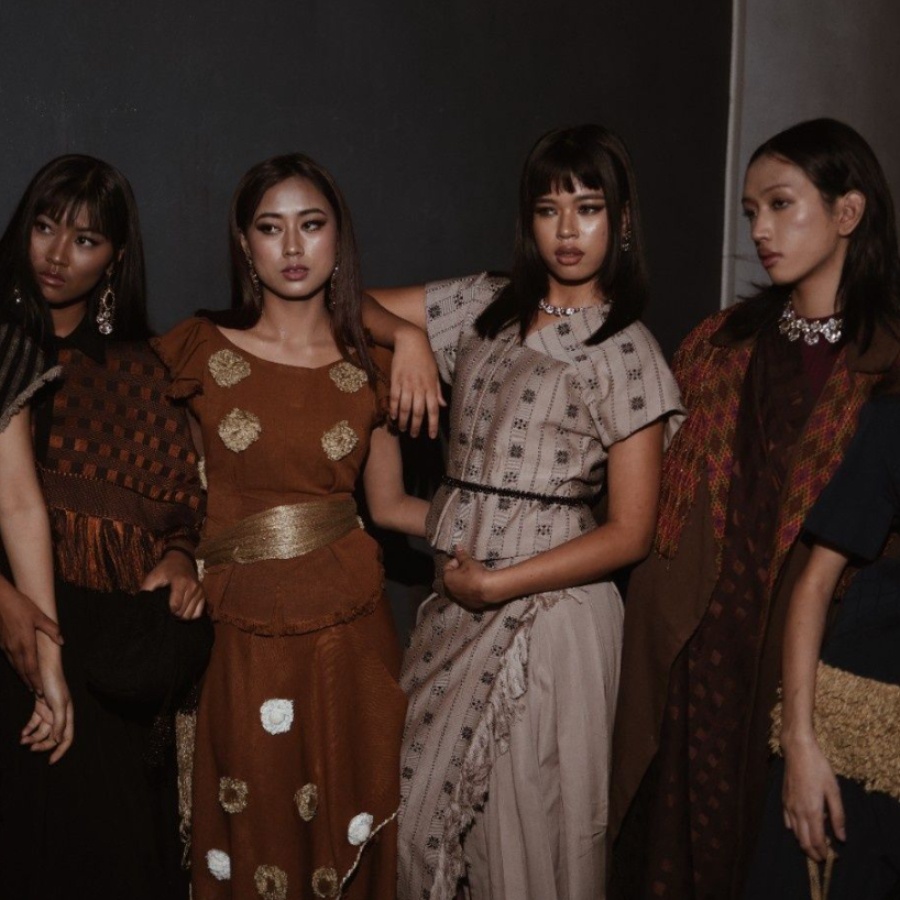
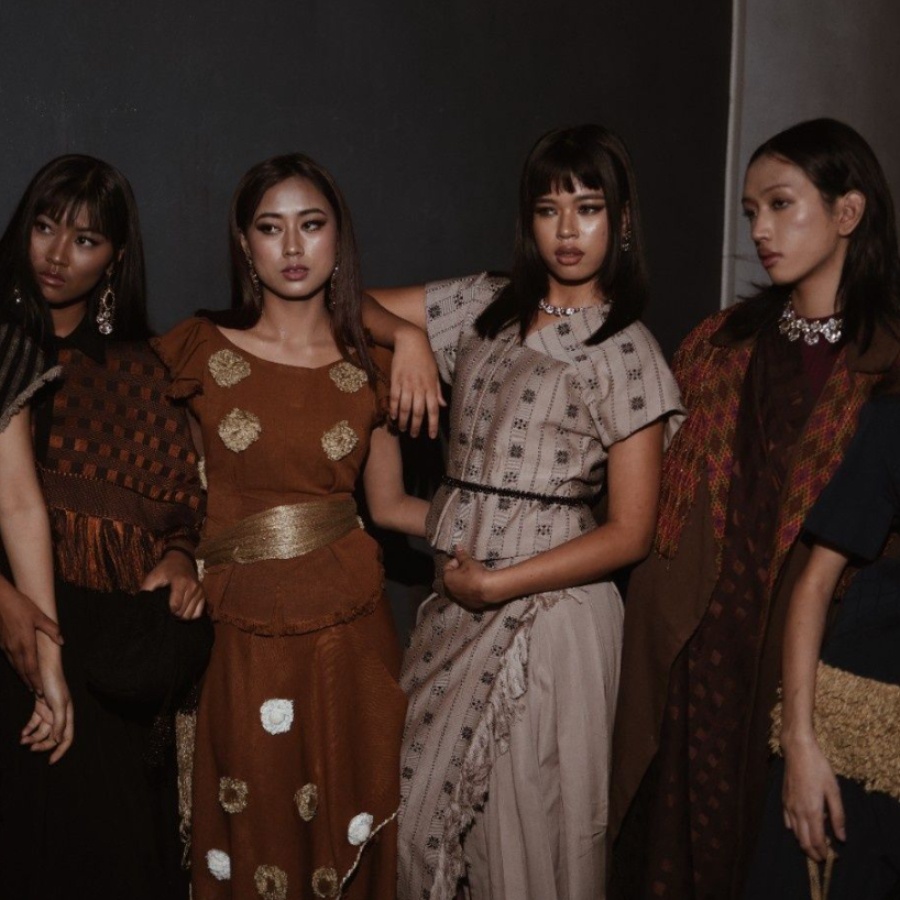
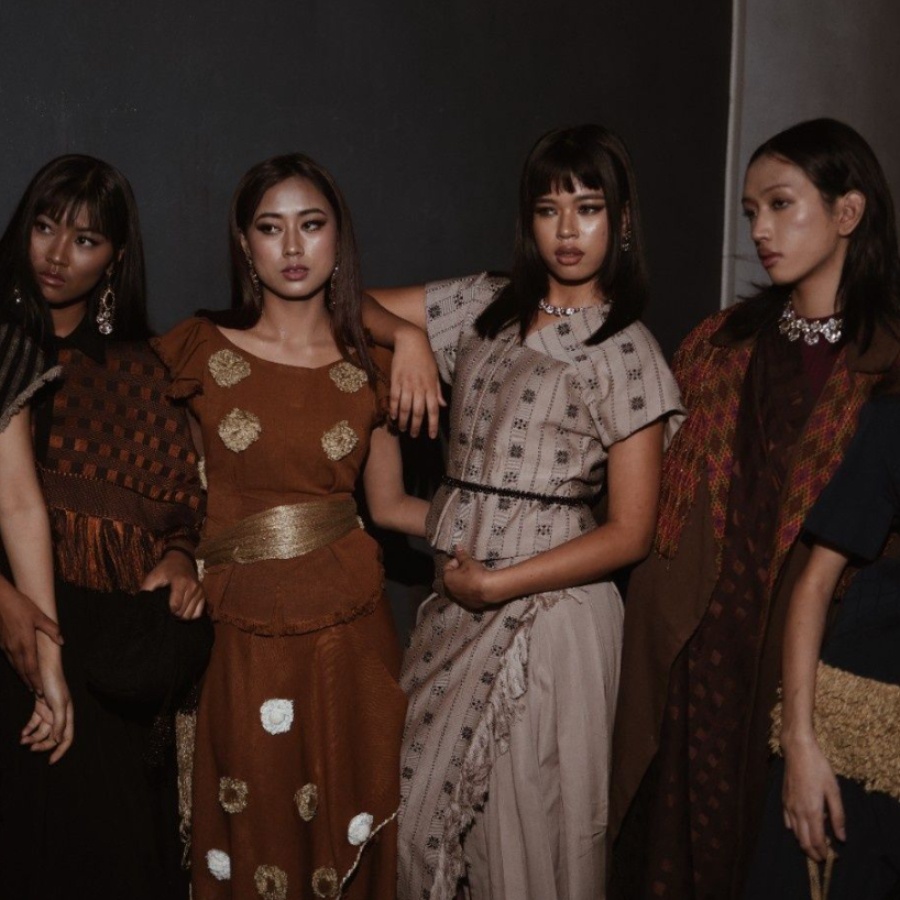
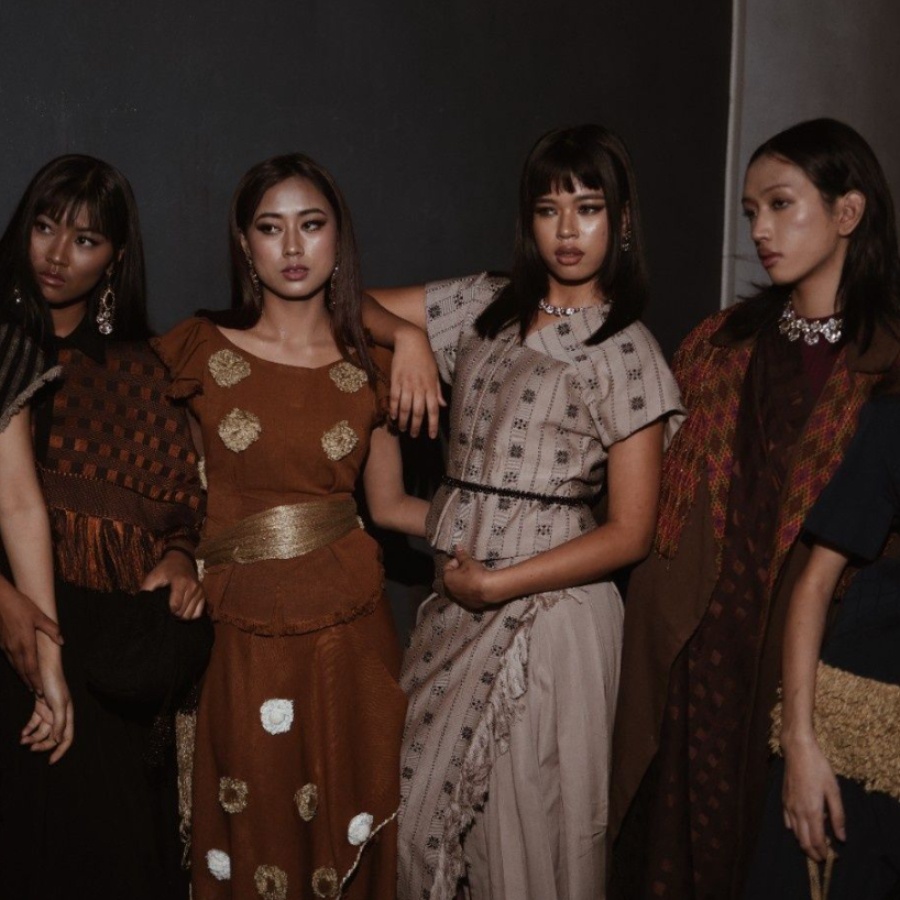
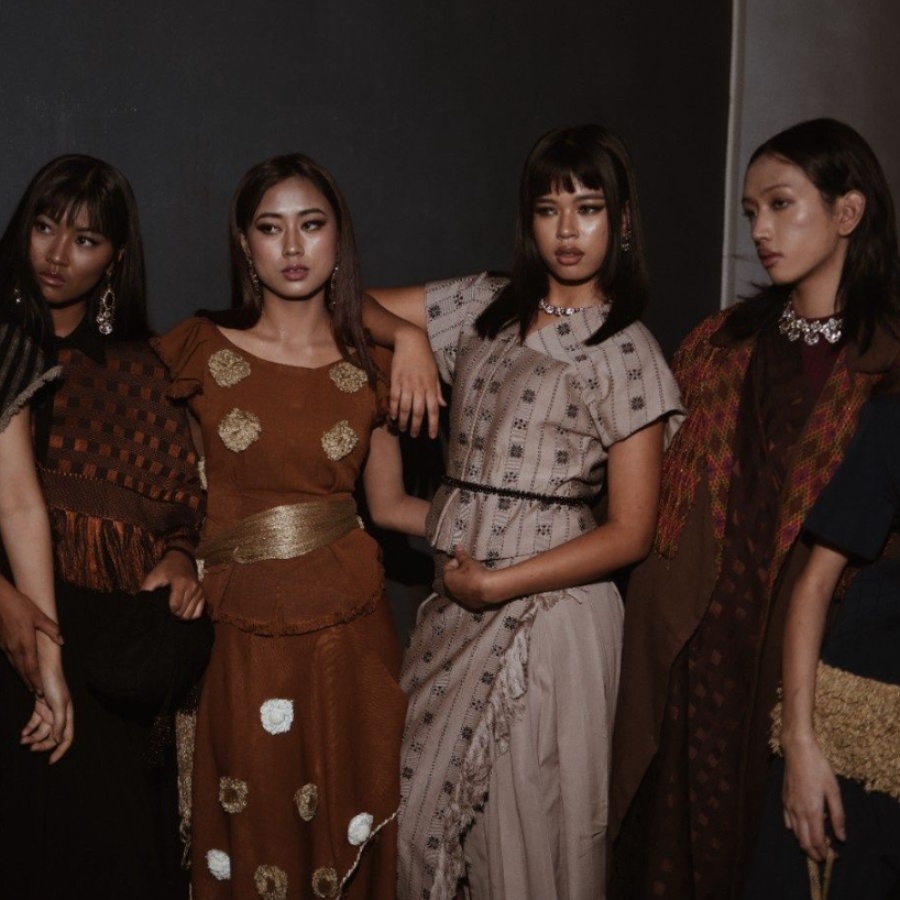
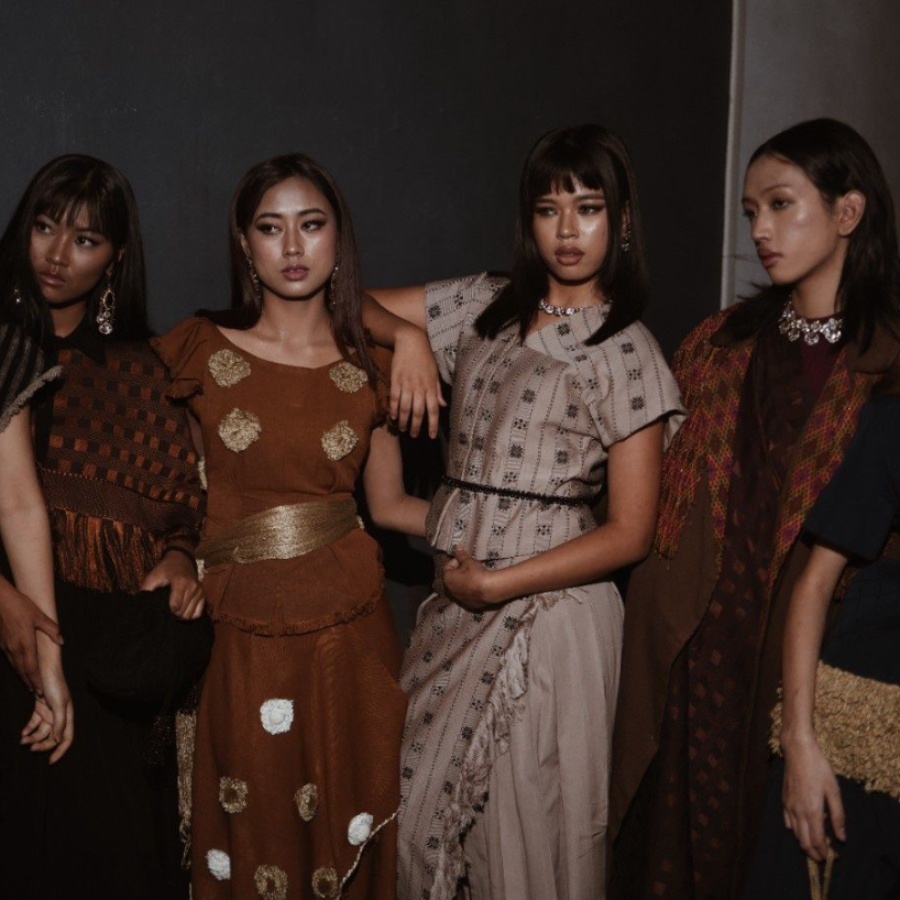
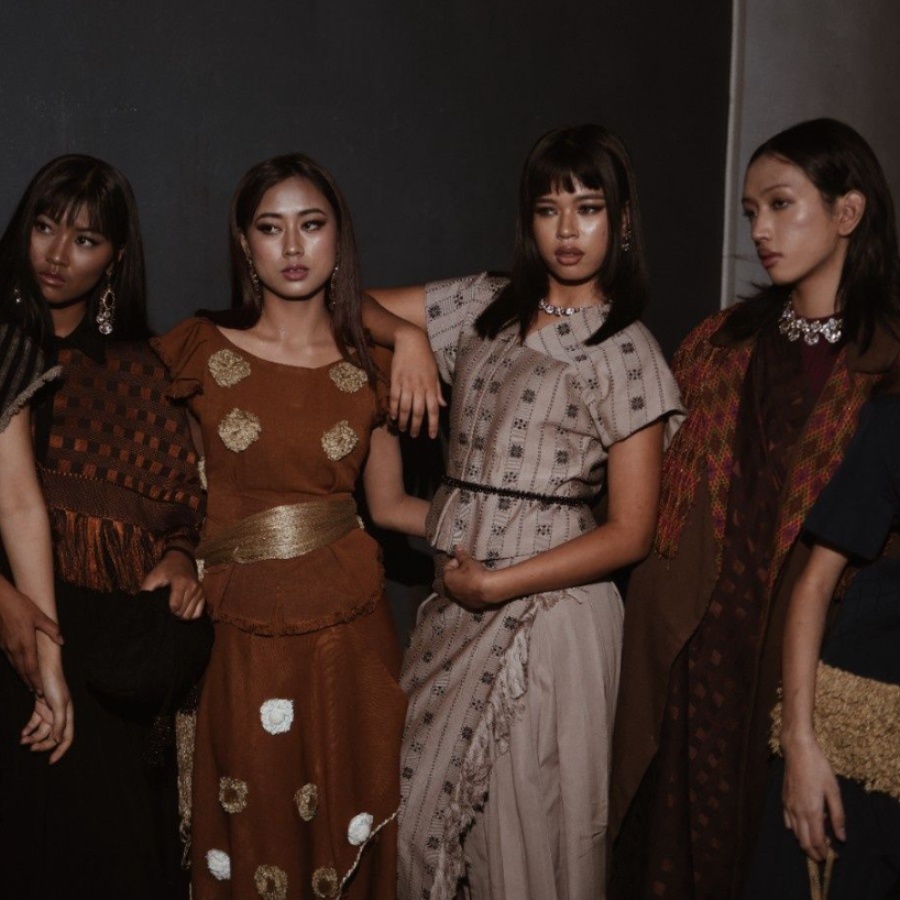
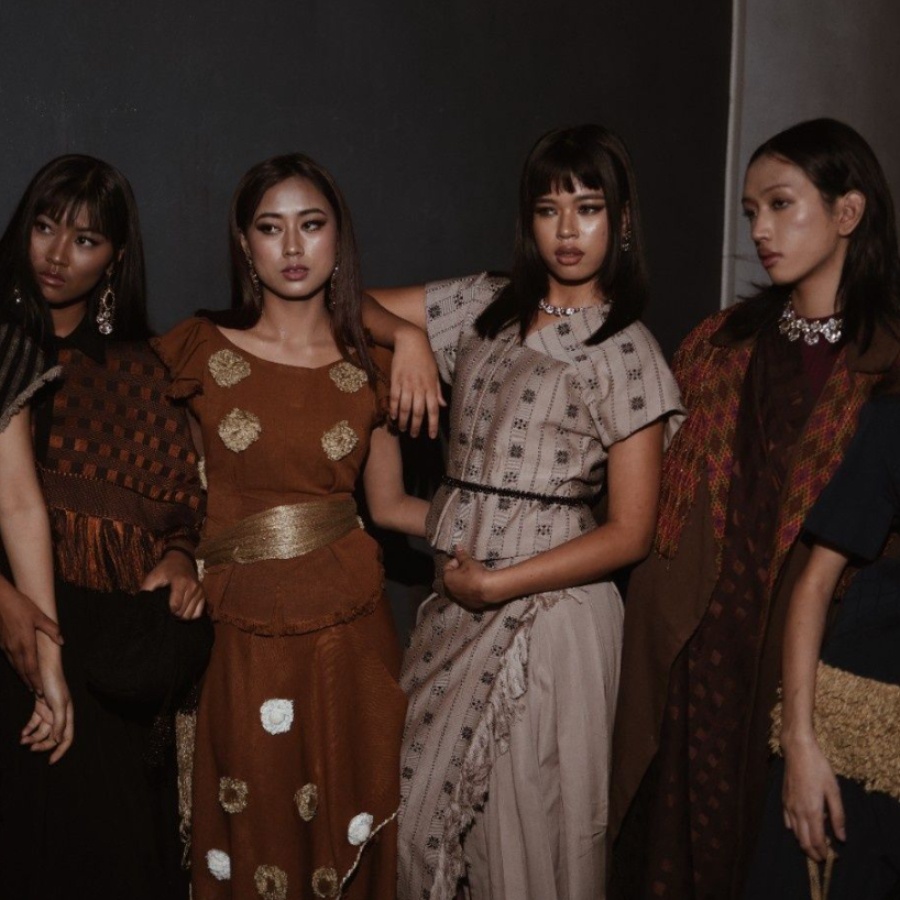
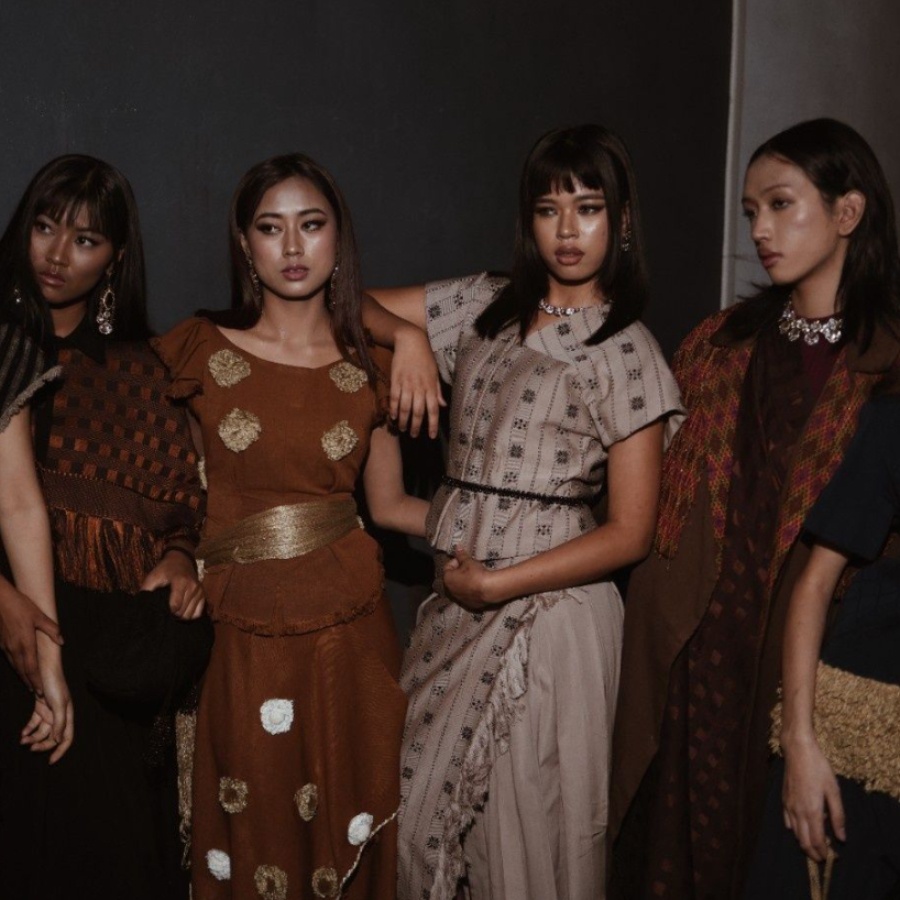
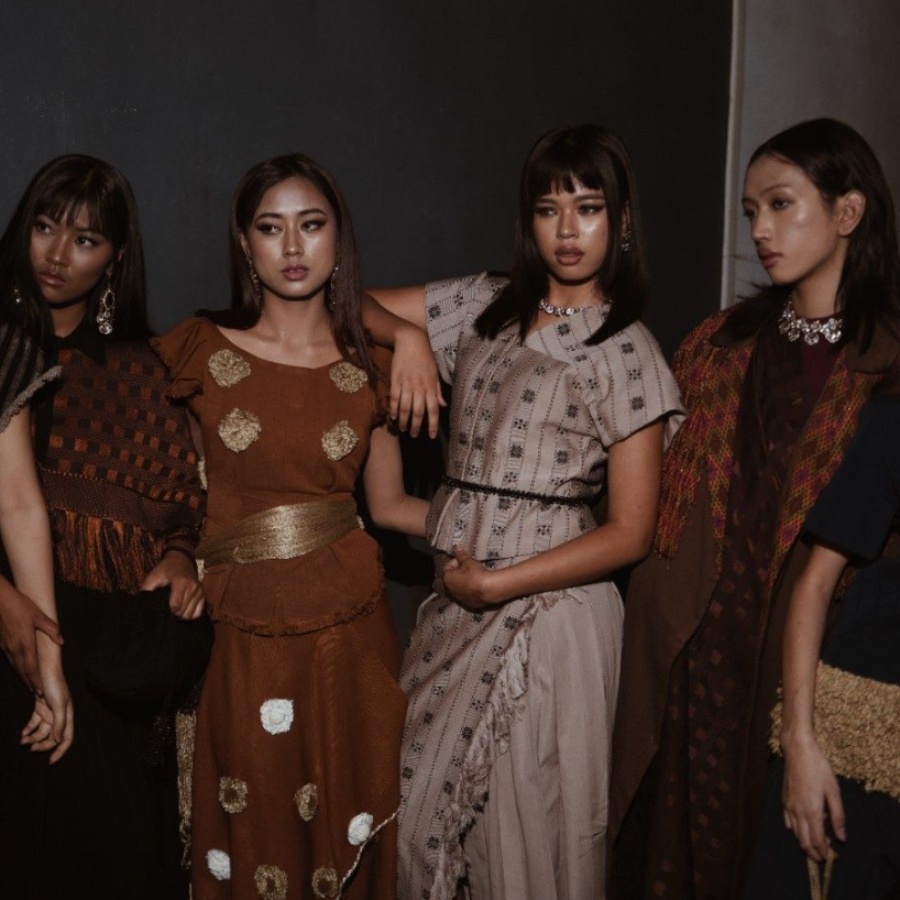
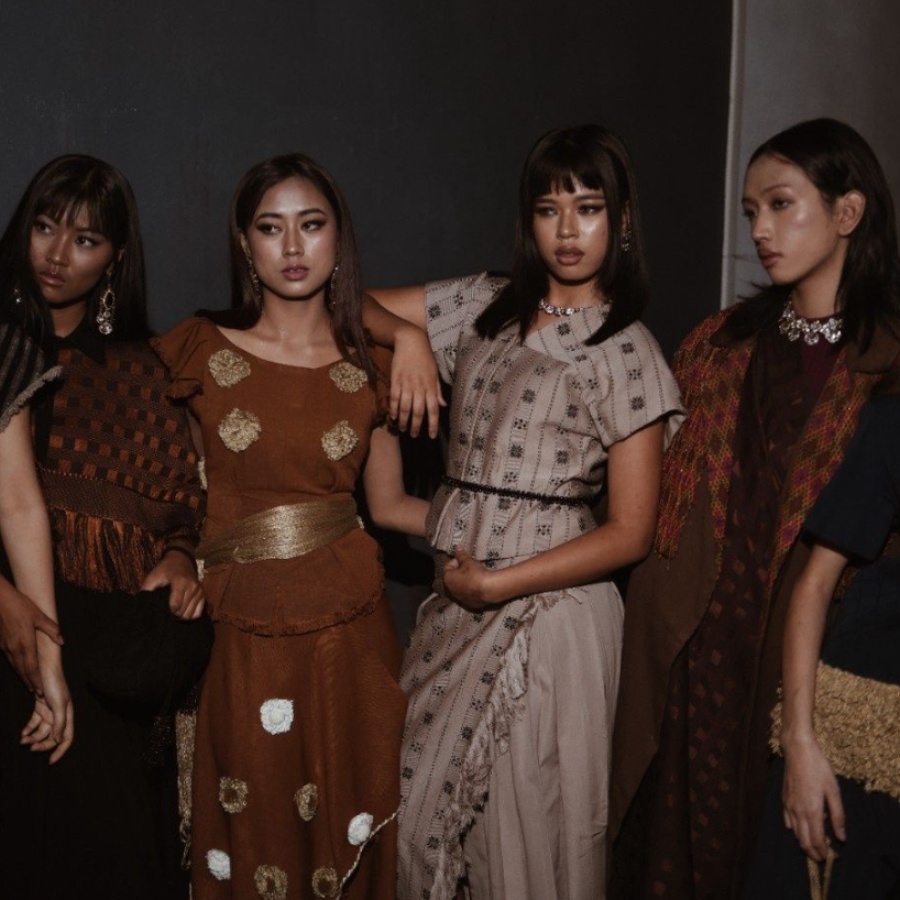
Looks from Lapâr backstage at the Aizawl Design Project

Photographs by Green Rocket

If I had a penny for every time someone called the fashion industry toxic, I’d be first in line, ready to splurge on Matthieu Blazy’s latest confections at Chanel. Yet, for all its vices, fashion occasionally reveals something far more compelling—its quieter virtues of community, purpose, and creativity. These are the facets that were highlighted during my first visit to Aizawl, Mizoram, and which renewed my faith in the industry.

India’s north-east states, as the broader fashion ecosystem has come to recognise, is home to a wealth of thrifting culture, individuals with a keen eye for style, and an emerging pool of creatives. But my case for Aizawl as a vital force in India’s fashion landscape rests elsewhere. It lies not in its aesthetic output alone but in the spirit with which fashion is practised here.

The industry’s toxicity often doubles as its own schadenfreude, a strange allure that keeps many of us tethered to it. But those who stay, who endure, often do so for fleeting but powerful moments of clarity: instances of pure, unfiltered love for fashion. It is these moments that sustain editors and writers, that reaffirm why we write at all.
82.jpg
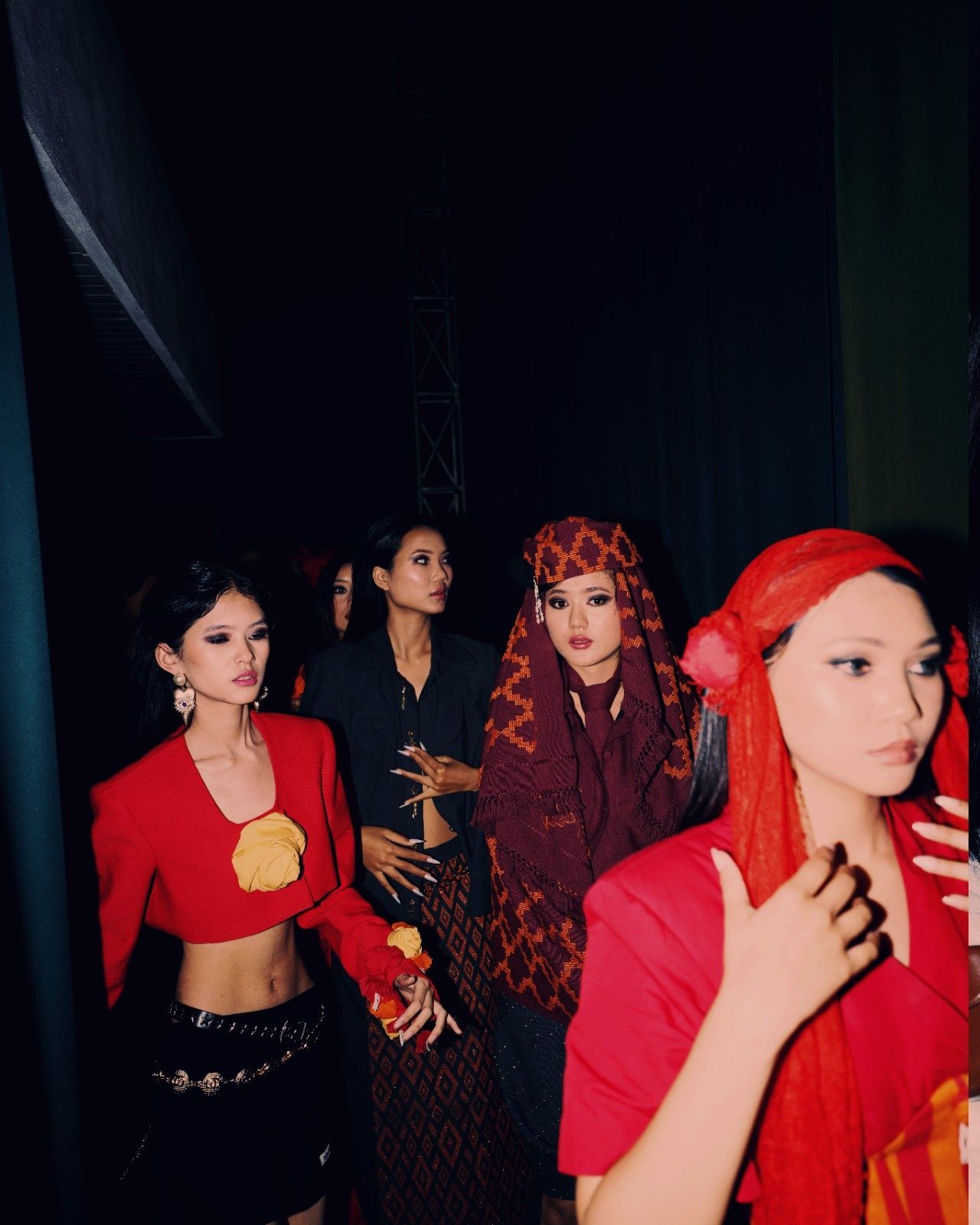
Backstage with the models for Hannah Khiangte | Photograph by Rachel Pachuau 

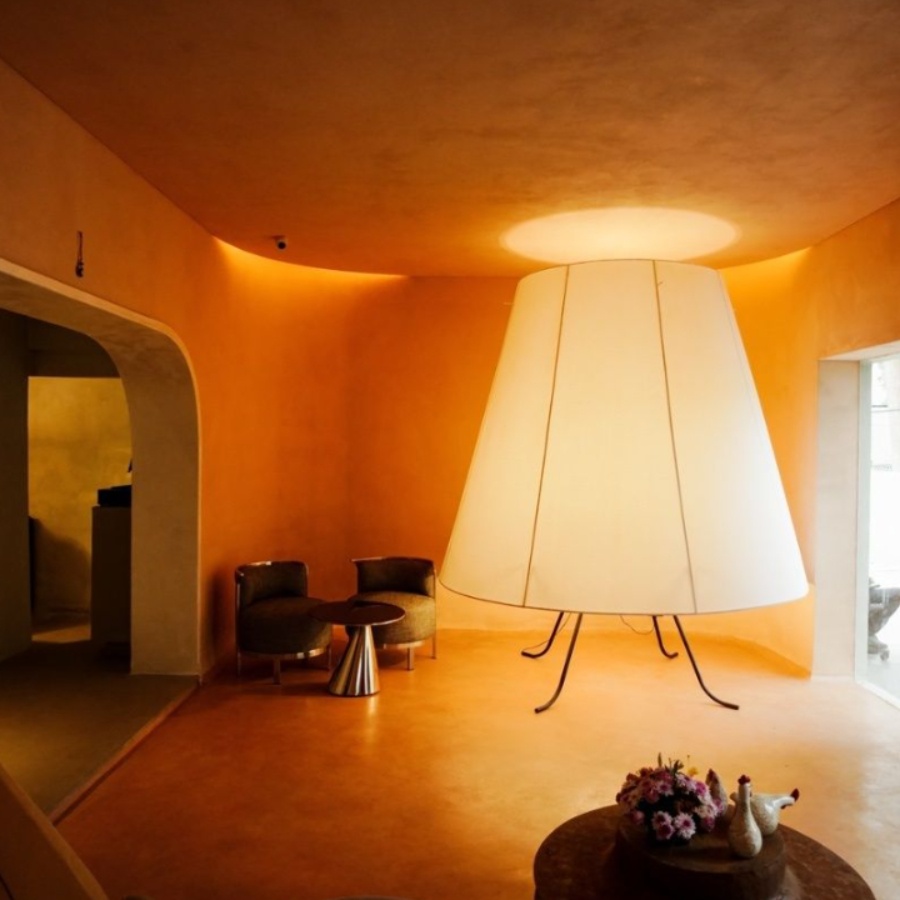
Earlier this month, creatives from the region came together under the Aizawl Design Project for a first-of-its-kind fashion show. The initiative is in its pilot phase and has ambitions of becoming an annual occurrence. The show space was anchored by a striking central installation, constructed from forest foliage foraged from around Aizawl. Curator Lal Moya and his team had spent hours collecting it, well into the early hours before the show.

Patricia Zadeng of Lapâr sent out an array of silhouettes riffing on the traditional Mizo puan. Her forte is handloom manipulation, bringing reform to a buttery-soft canvas, a fabric that is too textured to tame and mould in its original form. With attention trained on appreciating the traditional techniques, you were suddenly greeted by bolder draping, vests, and light outer layers, like duster coats, that felt malleable and cosy. She addressed tradition with weaves and introduced a playfulness with silhouettes that carried girlish details—tassels, sleeves that ended well over the hands, and embellishments on the puan and its modern cousin, making each piece a product that possesses infinite possibilities.
Designer Escape Engmoia’s collection was a rich, jazzy burst of colours. A few too many bedazzled jackets caught my eye—some buttoned up, some slit to expose shoulders, some trailing along the floor—all too delicious. And embroidered skirts to partner! It would make the most profoundly beige personality twist their head. While I digested this sharp array of colours, designer Hannah Khiangte’s girls stepped out, all carrying versions of her signature feminine corsetry, skirt and suit sets encrusted with gems, boned and cinched—just dirtier. The sophisticated madame-esqueness was roughened up with bar jackets whose sleeves were neatly rolled up to the elbows, skirts tied in a bouquet of roses at the knees, skirts but with trousers underneath. You could step out of a shiny convertible in them, and you could also jack a tyre up in them.

These designers are far from novices. And each had presented collections that would probably hog the runway limelight on the Delhi-Mumbai fashion week circuit. Khiangte has been building her brand since 2013; Zadeng, an NID graduate, worked with Rahul Mishra and Maku before returning home; Engmoia’s work has quietly travelled to Milan and Seoul. And yet, this platform was as much an introduction for them as it was an opportunity to receive feedback, forge connections, and recalibrate their trajectories.

Over the course of a week, I found myself sharing meals and conversations with the trio. Khiangte, in particular, approached each interaction with a relentless curiosity. She asked questions—about her collection, her brand, her future—with an openness that disarmed the usual guardedness of designer-editor exchanges. The first time she sought my opinion, I responded with the polite, almost reflexive praise one defaults to at shows. By the third time, nearing the end of my trip, my answers became more buttoned-down—we spoke about everything from branding, that one look with the blazer attached to a skirt, to the peculiar cocktail of narcissism and imposter syndrome that fuels this industry.

It struck me how rare this level of access felt. Our interactions in fashion are often mediated, filtered through PRs, schedules, and carefully constructed environments. To instead find myself curled up on Khiangte’s couch at 3 am, discussing creativity after her show while her husband strummed ‘Hotel California’ in the background while another bunch sat in the kitchen, felt like a rupture from the norm.

The following day, I was in Engmoia’s studio, chai in hand. His clothes may be exuberant, but the man himself carries that same vibrancy with ease. Surrounded by tightly packed racks, sunlight diffusing through lace curtains reminiscent of a ’90s Christian home, I listened as he recounted his journey—he didn't start with formal training in fashion, he said, it started for him from learning to cut hair. He spoke of it almost reluctantly, only when prompted, as though it were simply another skill acquired along the way. 

My visit to Zadeng’s studio carried its own quiet intensity. As artisans worked meticulously on puans, we moved slowly through her collection. I tried on pieces, drifting through the space with a childlike curiosity. Unlike her clothes, which are bold and exploratory, Zadeng herself is more reserved. Later, as she drove me to the airport through winding hills, local pop songs playing softly on the radio, the experience settled into something more reflective.

In Aizawl, fashion didn’t feel like something performed for an audience, or worse, for the algorithm. It felt lived and built in real time. And maybe that’s the crux of it: fashion has always been about conversations. Before it was an industry, it was just people—curious, a little obsessive—coming together to make something they actually cared about.

The Nod Newsletter

We're making your inbox interesting. Enter your email to get our best reads and exclusive insights from our editors delivered directly to you.