



I had only been [editor] at Elle a few years when our screens exploded with a show unlike any before. America’s Next Top Model arrived in 2003 like a grenade thrown into the middle of fashion’s carefully constructed mythology. It promised to shatter norms, to birth a brave new universe built on diversity and inclusivity. Fresh faces were scouted, training was rigorous, the ultimate prize glittered. But almost immediately, it delivered none of that. Instead, it amplified the crazy, the ugly, the brutal. And the industry watched, transfixed.
The new Netflix documentary Reality Check: Inside America’s Next Top Model moves with velocity through 15 years of television, from the May 2003 premiere to the 24th cycle’s quiet ending in 2018. Tooth extractions, bikini waxes on air, surgical dissection of shape, size, stride. It reminds you of a time when repackaging someone’s deepest fears as entertainment passed for good television. When staying silent while a visibly intoxicated contestant fell apart on camera after being raped was simply part of the format.
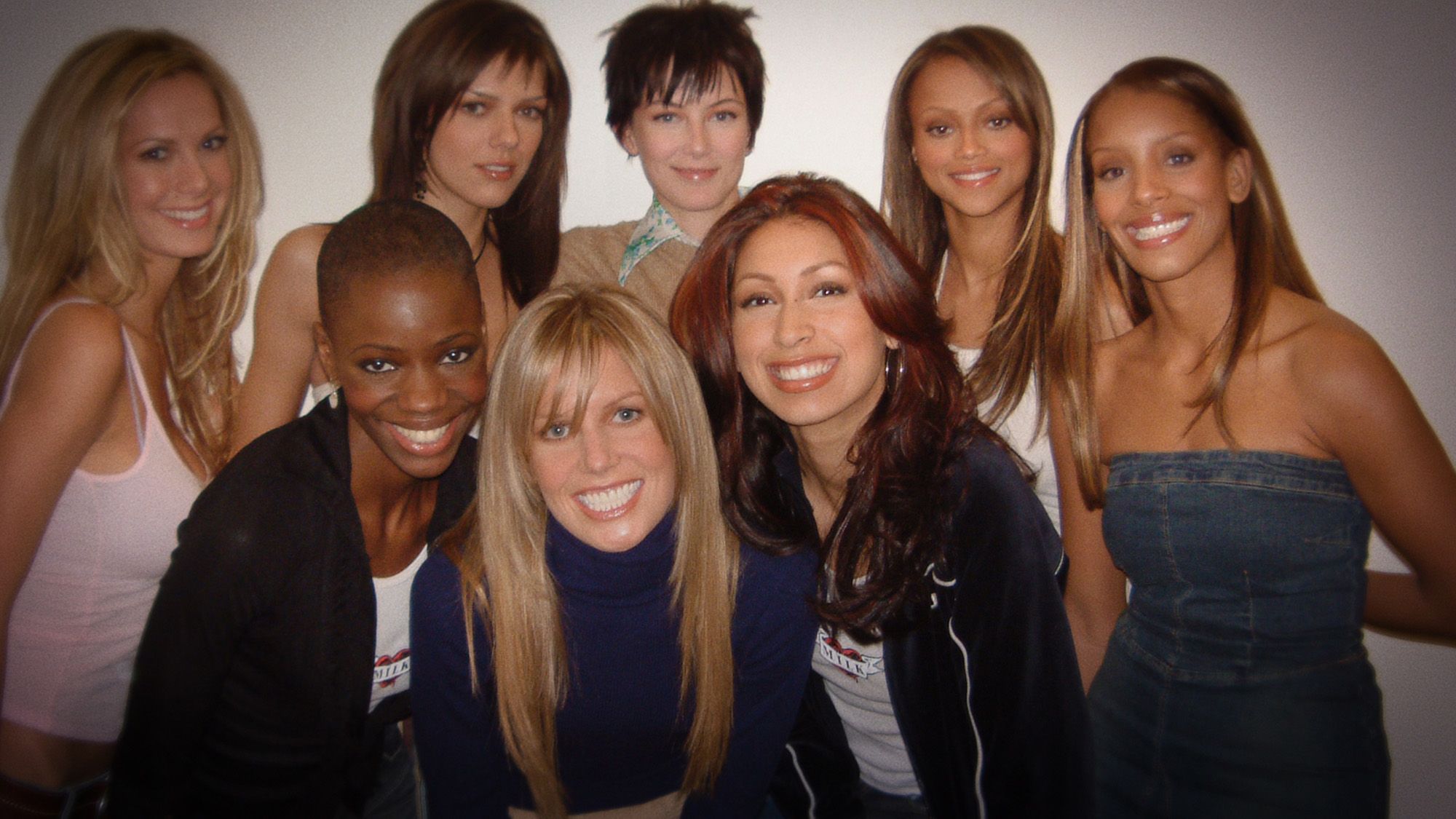
The discomfort with the retelling is not only with its archaicness. It is the absence of accountability. In past tense, we, as an audience, not only stayed silent but almost agreed: if you chose glamour, your path would be punishing. ANTM’s continuity depended entirely on our complicity. Those of us who worked in fashion carried a particular fear. If we had been sitting in judgment, would we have behaved differently? How far would we go for a magical photoshoot? Fashion survived on shock and awe. If it left a trail of damage in its wake, the industry didn’t recoil; it quietly admired the nerve. After all, everyone wanted a seat at the mean girls’ table.
But it is even more damaging in the present tense. Zero accountability, even with the wisdom of hindsight. Tyra Banks, host, producer, architect of the whole enterprise, appears on screen as a cartoon villain. Her apologies are so dismissive they border on insulting. Her strongest defence: “Boo-boo, I am so sorry, none of us knew.” At other moments, a shrug and lines like “Bosses are bosses” or “Ask production”. It would not play well for anyone, but Banks must be held to a higher standard. She came from the industry. She knew exactly what it could do to a person, because it had been done to her. Her founding argument for the show was that she would fix that damage. Instead, she perpetuated it.
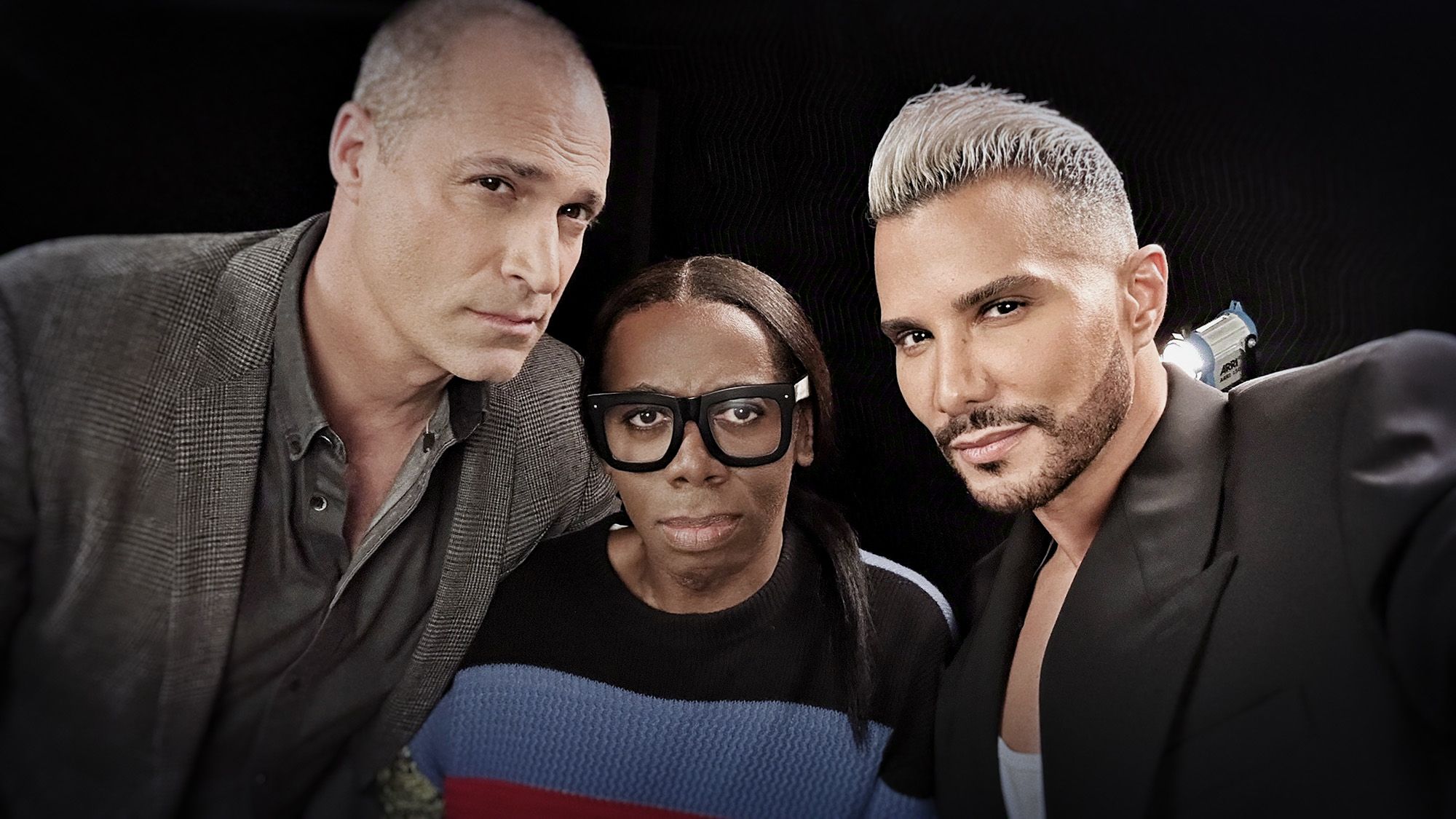
But Banks should not be the only one held to account. The documentary’s third act reframes the men as victims of circumstance, even as the evidence shows they helped architect the ugliness. ANTM launched the careers of J Alexander and Jay Manuel. Their brashness amplified the show’s tone, sharpened it, made it compulsive viewing. They were a perfect foil to Banks’s pseudo seriousness. But in all the fun and games it must not be forgotten that Jay Manuel directed shoots that tipped into cruelty, urging contestants to endure what they should never have been asked to accept. And then there is Ken Mock, the executive producer, who retreated behind contractual obligation. It is the most convenient of defences, and the least convincing, from a man who understood precisely what he was building and built it anyway.
However, it is easier to recognise that formula than to replicate it. At some point in my career, I judged a reality show that attempted to marry ANTM with Project Runway: Models, designers, challenges, takedowns. It ran for two seasons and quietly disappeared. Not entertaining enough. Not savage enough. Even scripted to excess, the drama never landed. The audience wanted high-stakes consequence. And ANTM always delivered that, however brutal, however real.
The documentary gave me the weirdest sense of déjà vu and made 2026 feel oddly disorienting. Back in the early 2000s, Tyra Banks spoke about dismantling the idea that models must be dangerously small. At this precise moment, Ozempic is shrinking women across the world with the fashion industry’s tacit approval. Prepubescent silhouettes are back on runways. Targeted, casual cruelty, once the preserve of a television format, is now available at scale on any digital platform within seconds. I suspect we did not dismantle the era ANTM represented. We simply rebranded it.
In hindsight, and in spite of itself, ANTM did some good, not because of what it set out to do. By dragging the industry’s toxicity into living rooms across the world, it forced a reckoning. It made the ugliness visible. It made conversations possible that fashion had long refused to have. The show did not fix by design. It fixed something by accident, by finally going too far in plain sight.
The real question the documentary leaves behind is not a new one: now that we can see it clearly, all of it, including ourselves, what exactly are we prepared to do differently?
Reality Check: Inside America’s Next Top Model is available to stream on Netflix