



Brief Encounters07 Jun 20263 MIN

Ashiva Shu is introducing a new category to fashion: queerswear

The Delhi-based designer’s debut collection turns childhood dress-up into luxurious clothes designed for queer men’s bodies

Image

Name: Shivanshu Sonker

Age: 23

Profession: Fashion designer

Current location: New Delhi

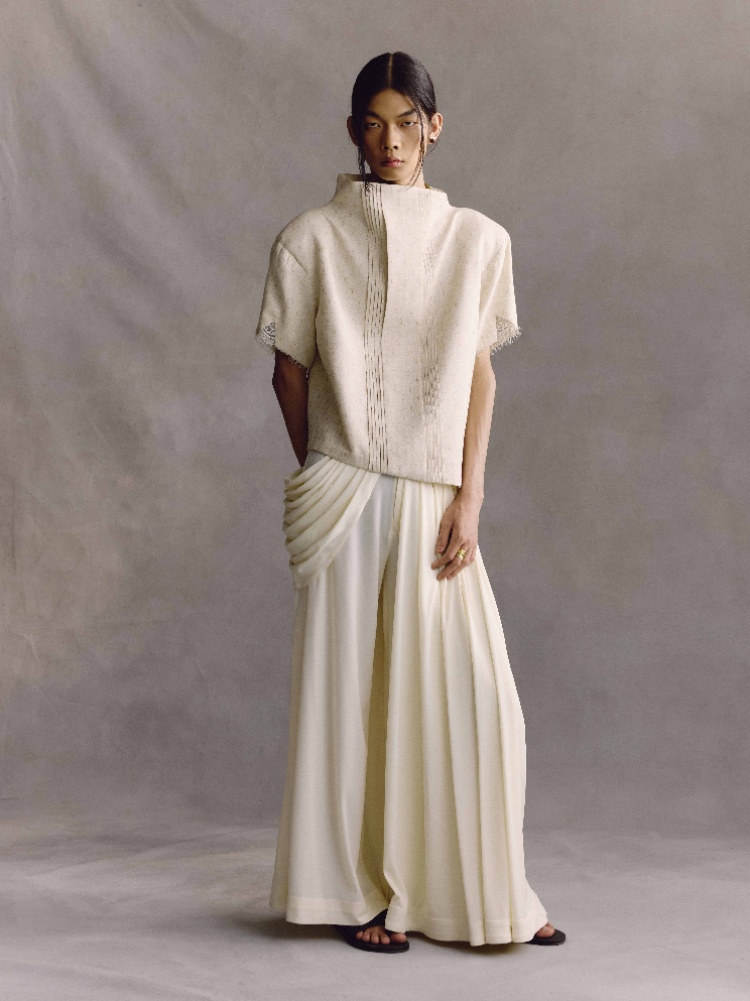
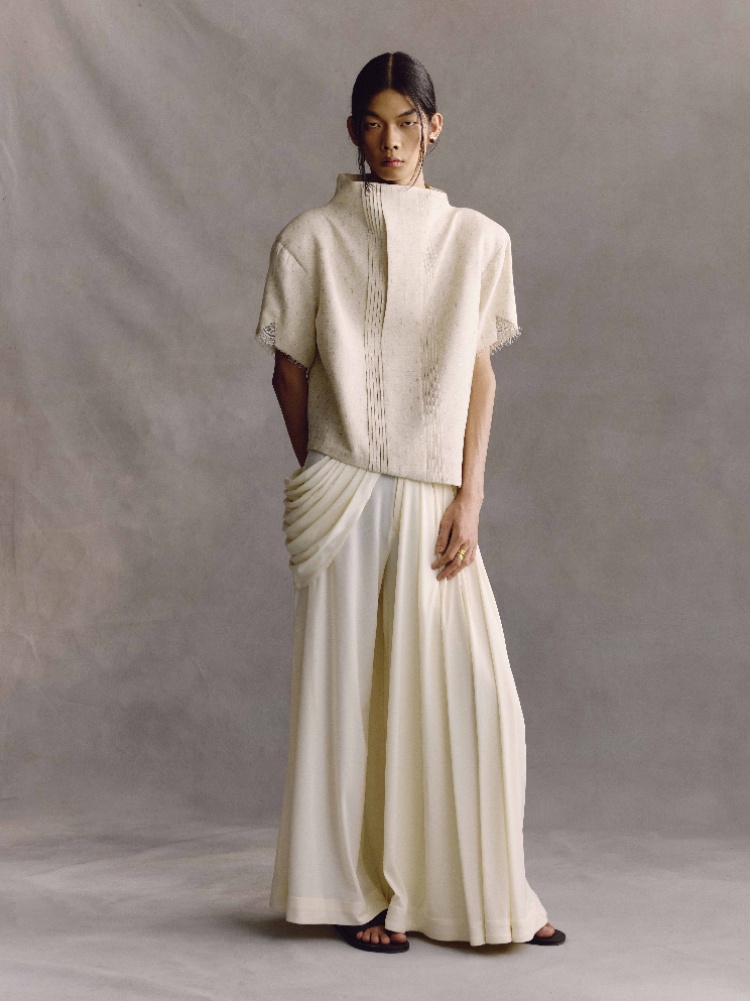
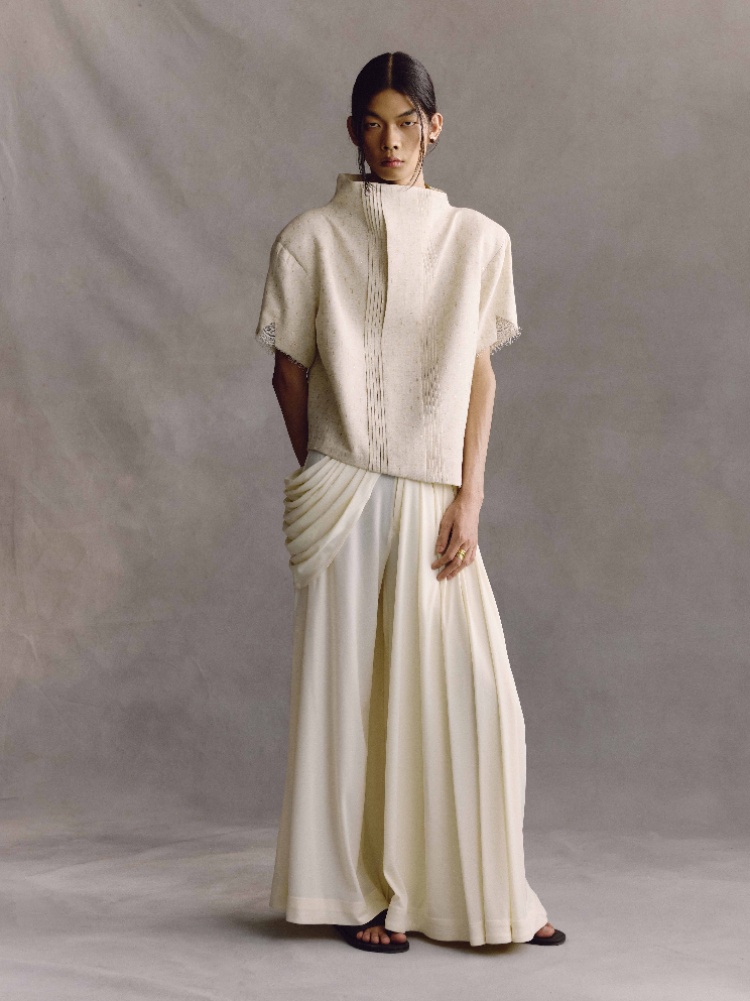
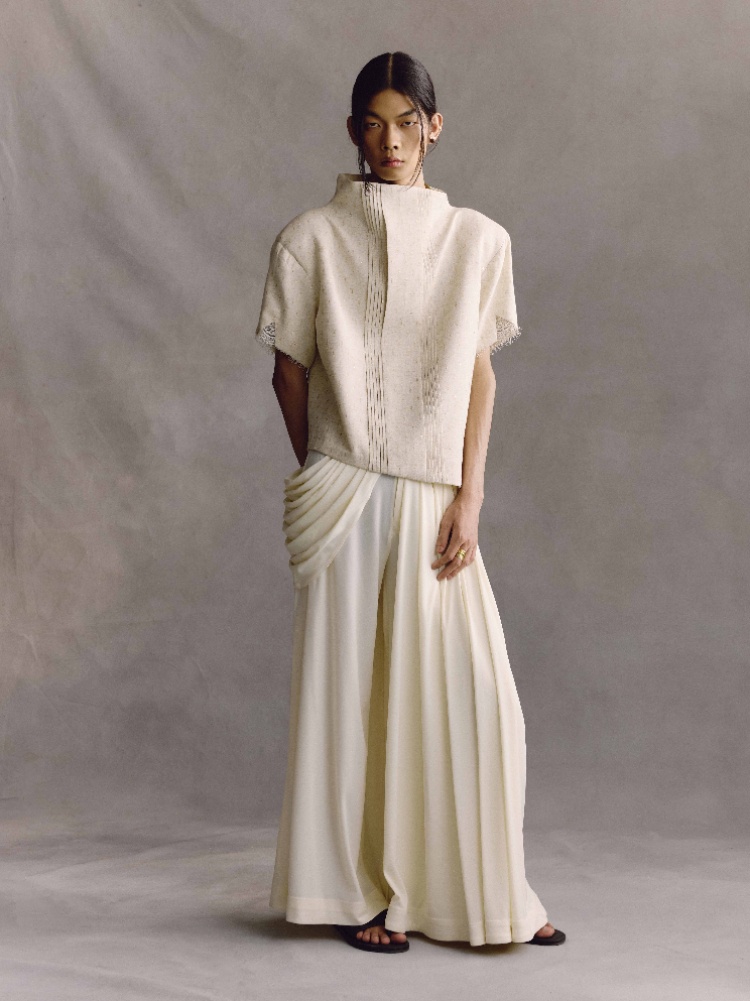
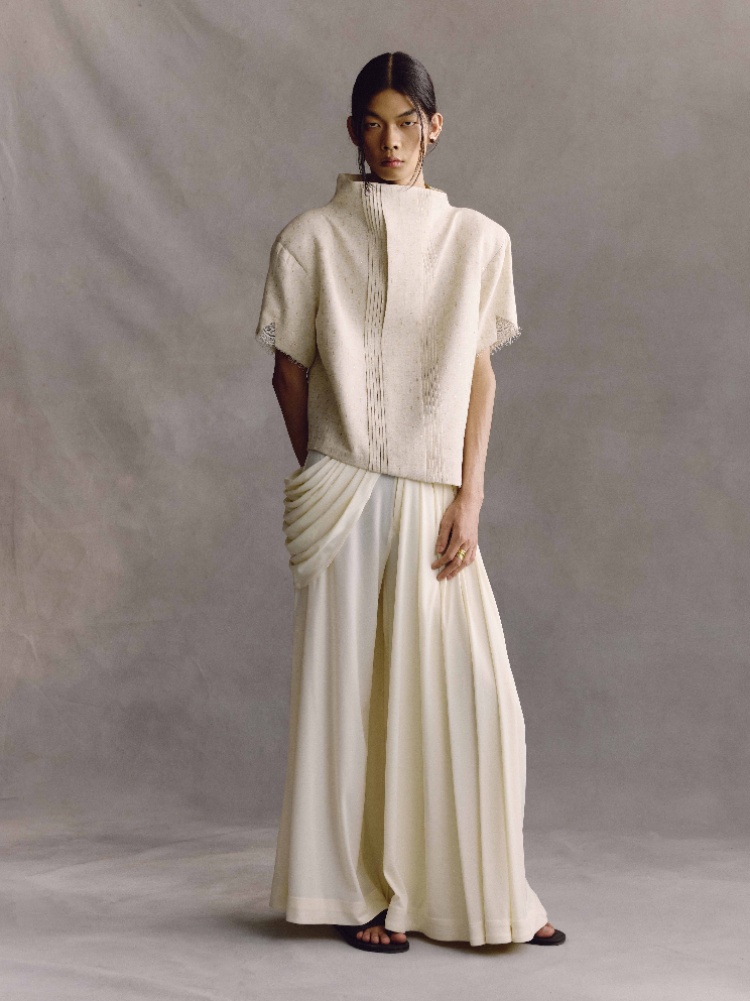
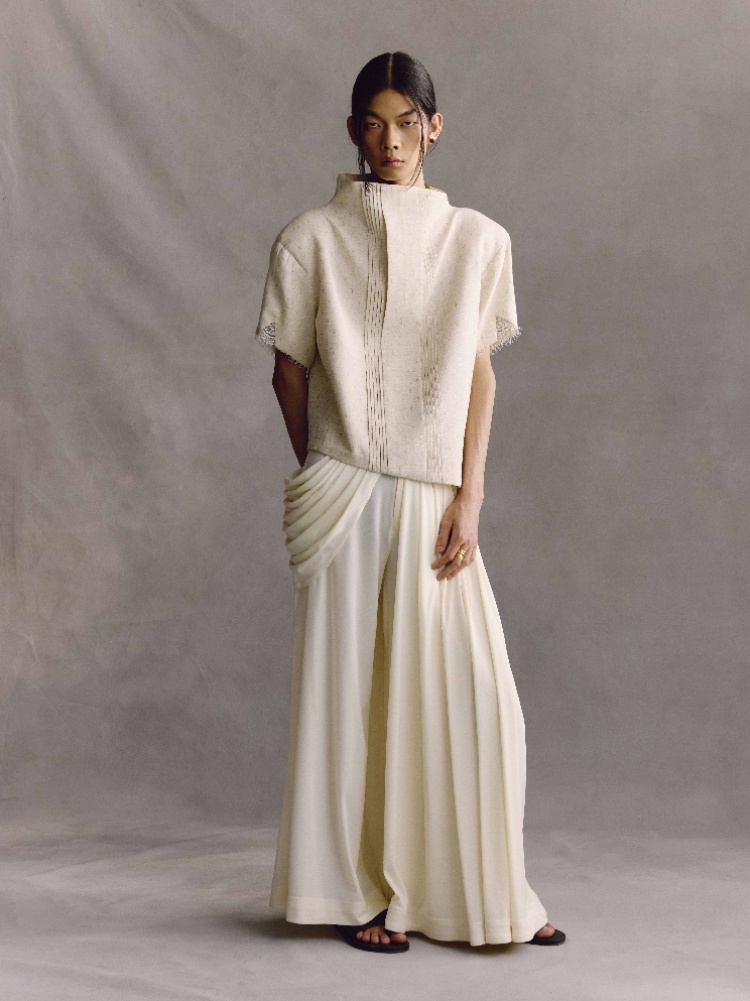
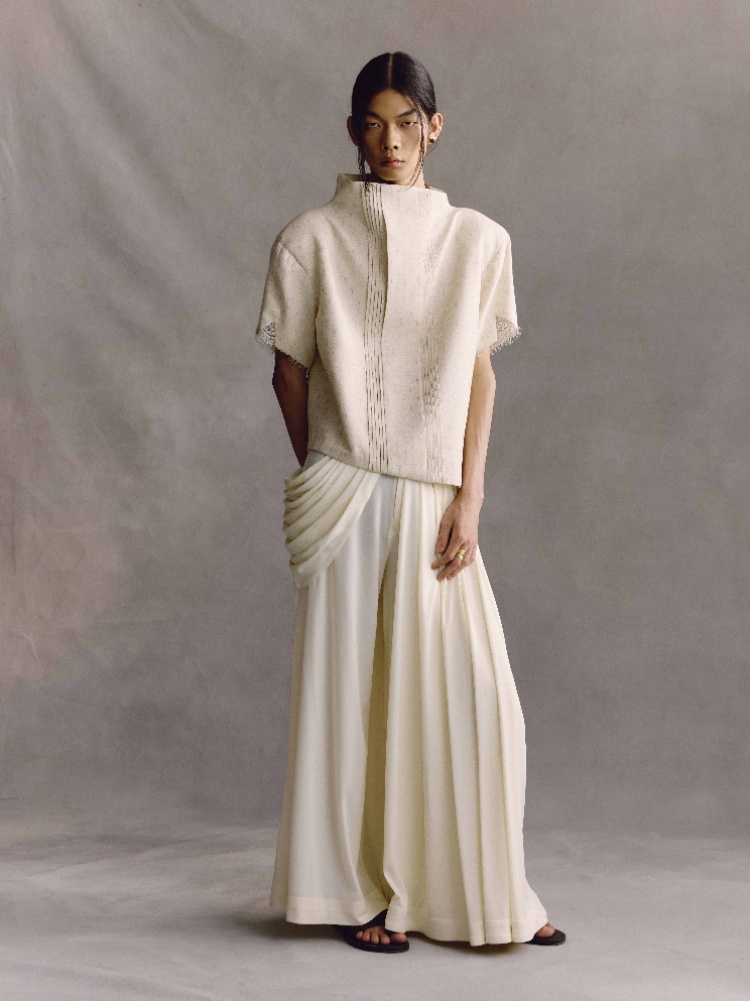
Why he’s one to watch: With his fledgling bespoke label Ashiva Shu, Sonker is expanding the Indian fashion landscape with a new category: queerswear. His final project, ‘Hope is Pain’, was featured on platforms like The Vanilla Issue and Diet Paratha. This year, the NIFT-Bengaluru Knitwear Design graduate launched his label in response to what he saw as a gap between traditional menswear and womenswear: clothes designed for queer expression, cut with male bodies in mind. Think sharply cut shirts and chogas in soft, diaphanous fabrics that are usually reserved for womenswear, tailored high-waist shorts and draped pants with subtle embellishments, and playful details like ties and latkans. Less borrowed-from-the-girls, more made-for-the-gays.
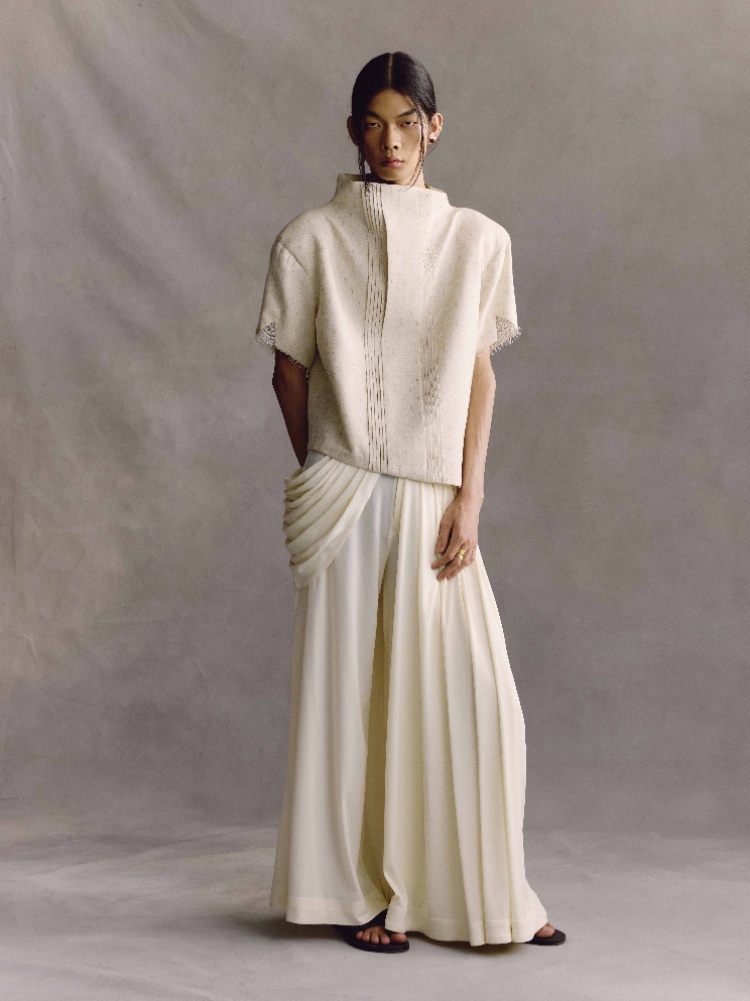
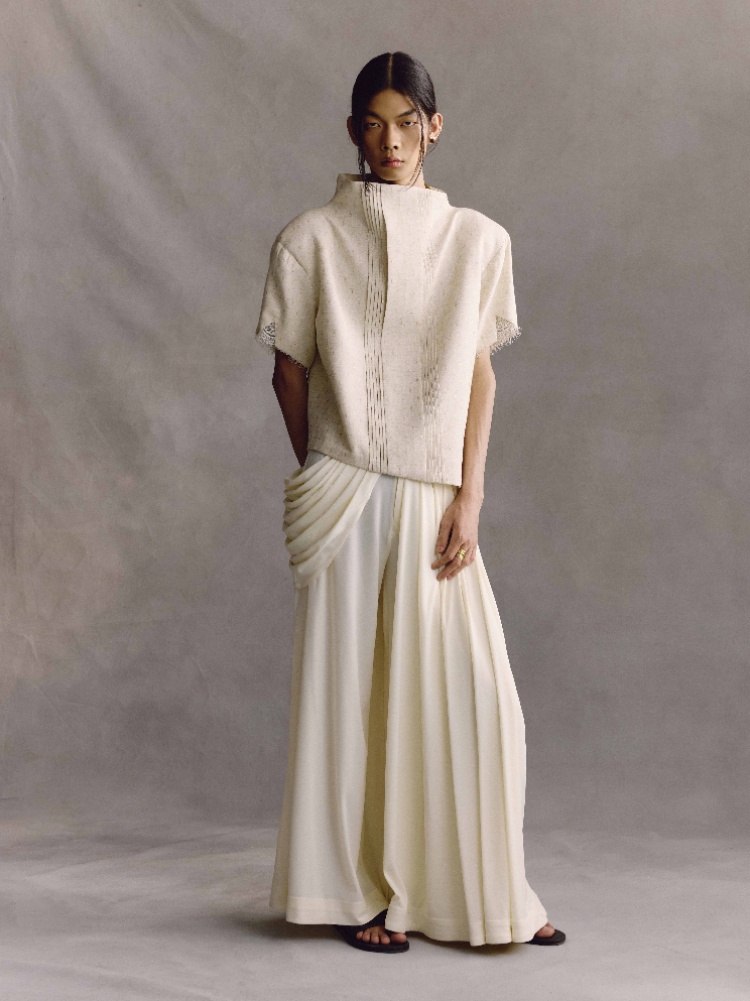
The case for queerswear: “As a queer man myself, it came as a response to the absence of clothing dedicated to queer men. Queer men tend to be more expressive and wear pieces that are not traditional menswear. But when you go to the womenswear section and try on pieces, you don’t feel welcome because, of course, it’s not made for you. Even though a piece might look flattering on you, at the end of the day, anatomically our bodies are very different. So, I wanted to create a line that specifically caters to queer men and feels exclusive to them because it matters.”

No, Ashiva Shu isn’t just a pretty name: “Ashiva Shu is derived from my own name, and it means the beginning of transformation and consciousness. I want to influence people to reflect on their choices and genuinely understand why they would need something.”

It began with sari shopping in Burrabazar: “I went to a Christian school in Kolkata, and I was always interested in art. I also grew up very close to my mom, so I would always accompany her to Burrabazar (it’s like the Chandni Chowk equivalent of Kolkata) for sari or festival shopping. I remember being influenced by the fabrics, the colours, and design in general. So, after my 12th, I applied to NIFT-Bengaluru.”

How he dreamed up his debut collection: “‘Blooming Still’ is about the endurance and resilience of queer men. A lot of queer men I know grew up playing dress-up, draping themselves in saris and clothes they could find as children so I looked at images from my childhood as inspiration. I do some mindless sketching to get into the zone and see what I can connect with. The collection has two parts: queerswear and menswear. The menswear is an extension of that thought.”

His roots are showing: “My family roots are from Varanasi. Though our studio is based in Delhi, all our cultural inspiration comes from there, which is why I say the label is born in Varanasi. Our statement fabric at the moment is Benarasi brocade, and we also work with a lot of Chanderi. Although Chanderi originated in Madhya Pradesh, there is a tradition of weaving Chanderi in Uttar Pradesh as well.”

He’s an army of one—with a little help: “Right now, it’s just me managing design by myself. I have a home studio that I share with two of my designer friends who were also my batchmates. They have a bridal label called With Nanai & Akimugha Yeptho. We started this design journey together, so we support each other alongside working on our individual labels.”

Touch grass? He does: “I love gardening and I’ve been into it since childhood. I think right now I have around 50 plants and I plan to get more. My most prized possession is my small lotus pond on my balcony.”

His unexpected source of inspiration: “I watch a lot of C-dramas—not the modern ones but the ancient period dramas. They’re very visually immersive. The storyline, the characters, and the culture especially are beautiful to look at and I love seeing the costumes.”

What’s blooming next: “For my next collection, I have a particular image from my garden in mind. It’s this very specific period of a plant that I captured, and I want to take that forward into the collection. It’s going to be evening wear for men, so there will be a little more embellishment. From what I see, the existing menswear in India is quite restrictive and repetitive in terms of silhouette. I want to bring a fresh new perspective on Indian silhouettes, so that’s where the brand’s focus is going to be.”

The Nod Newsletter

We're making your inbox interesting. Enter your email to get our best reads and exclusive insights from our editors delivered directly to you.